As an Amazon Associate I earn from qualifying purchases. This page may contain affiliate links.
A restless toddler who won’t sleep can turn every evening into a long standoff, and most parents eventually go looking for a book that offers a plan. This list covers five well-known titles that address toddler sleep from different angles: a quick practical guide, a picture book for helping a child settle into their own bed, a broader baby and toddler sleep guide, a gentle no-cry approach, and a problem-solving manual for persistent sleep issues. Our selection criteria were specifications and scope (age range and format), the reputation of the author or publisher, and the patterns owners commonly report, such as whether a book is practical, reassuring, or too theoretical. We have not tested these books ourselves; the descriptions below reflect what each listing states and what readers generally say about them.
Our Top Picks
Quick Comparison
| Product | Best for | Key feature |
|---|---|---|
| My Child Won’t Sleep: A Quick Guide for the Sleep-Deprived Parent | Exhausted parents who want a short, practical read | Concise guide built for sleep-deprived readers |
| I’m A Big Kid. I Sleep In My Own Bed! | Toddlers ages 2–4 learning to sleep alone | Affirmation-themed picture book for bedtime reading |
| Precious Little Sleep: The Complete Baby Sleep Guide for Modern Parents | Parents wanting a comprehensive sleep reference | Broad coverage from infancy through early childhood |
| The Sleep Lady’s Good Night, Sleep Tight | Families who want to avoid cry-it-out methods | Gentle, step-by-step sleep solutions |
| Solve Your Child’s Sleep Problems: New, Revised, and Expanded Edition | Parents dealing with persistent or specific sleep problems | Problem-focused approach with an expanded edition |
My Child Won’t Sleep: A Quick Guide for the Sleep-Deprived Parent

My Child Won't Sleep: A Quick Guide for the Sleep-Deprived Parent
Who it’s for: Parents who are running on little sleep themselves and need clear, quick guidance rather than a long textbook. It suits families with a restless toddler who resists bedtime and wakes frequently.
Key specs:
- Format: paperback guide
- Focus: short, practical sleep advice for parents of children who won’t settle
Pros:
- Short enough to read in a sitting or two
- Written with exhausted parents in mind
- Focused on the specific problem of a child who won’t sleep
Cons:
- Less depth than larger reference guides
- May not cover every age or sleep issue in detail
I’m A Big Kid. I Sleep In My Own Bed!: An Affirmation-Themed Toddler Book About Sleeping Alone (Ages 2-4)

I'm A Big Kid. I Sleep In My Own Bed!: An Affirmation-Themed Toddler Book About Sleeping Alone (Ages 2-4) (My Amazing Toddler Behavioral Series)
Who it’s for: Toddlers roughly ages 2 to 4 who are learning to stay in their own bed, and parents who want a story to read at bedtime that frames sleeping alone as a source of pride.
Key specs:
- Age range listed: ages 2–4
- Theme: affirmation-based story about sleeping in one’s own bed
- Part of the My Amazing Toddler Behavioral Series
Pros:
- Positive, affirming tone that avoids shaming language
- Easy to pair with a consistent bedtime routine
- Targets a common toddler sleep goal directly
Cons:
- A single story addresses one sleep issue, not a full sleep plan
- Results depend on consistent reading and follow-through
Precious Little Sleep: The Complete Baby Sleep Guide for Modern Parents
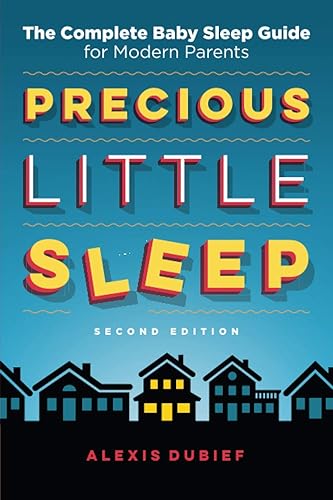
Precious Little Sleep: The Complete Baby Sleep Guide for Modern Parents
Who it’s for: Parents who want one comprehensive reference covering sleep from the baby stage onward, including how to handle a toddler who resists sleep as sleep needs change.
Key specs:
- Format: book, guide to baby and child sleep
- Scope: broad, covering infancy and beyond
Pros:
- Broad coverage useful across several stages
- Good reference for answering a range of sleep questions
- Written for modern families with varied approaches in mind
Cons:
- Breadth can mean less focus on toddler-specific problems
- Can feel dense for parents who only need a quick answer
The Sleep Lady’s Good Night, Sleep Tight: Gentle Proven Solutions to Help Your Child Sleep Without Leaving Them to Cry it Out

The Sleep Lady's Good Night, Sleep Tight: Gentle Proven Solutions to Help Your Child Sleep Without Leaving Them to Cry it Out
Who it’s for: Families who want to help a restless toddler sleep through the night without using cry-it-out methods, and who are willing to make gradual changes to bedtime and night wakings.
Key specs:
- Format: book
- Approach: gentle, no cry-it-out sleep solutions
Pros:
- Clear focus on gentler methods
- Step-by-step framing many parents find easier to follow
- Addresses both bedtime and night waking
Cons:
- Gentle methods often take longer than parents expect
- Not a fit for families who want a faster, more structured approach
Solve Your Child’s Sleep Problems: New, Revised, and Expanded Edition

Solve Your Child's Sleep Problems: New, Revised, and Expanded Edition
Who it’s for: Parents dealing with persistent or specific sleep problems, such as a child who fights bedtime, wakes often, or has trouble settling, and who want a problem-solving approach.
Key specs:
- Edition: new, revised, and expanded
- Focus: solving specific child sleep problems
Pros:
- Problem-based structure makes it easy to find relevant sections
- Revised edition reflects updated thinking
- Useful for families with more than one sleep issue
Cons:
- Can be lengthy for parents who only need one tip
- Some advice may need adapting to your child’s age and temperament
Buying Guide
Choosing a sleep resource for a restless toddler comes down to what problem you are trying to solve. A book that works well for a child who fights bedtime may not help much with frequent night waking, and a picture book is a different tool than a full reference guide. Start by naming the main issue: bedtime resistance, night waking, sleeping alone, or a general need for guidance.
Selection Criteria
- Age fit: Check the stated age range. A book aimed at ages 2–4 may not address a younger toddler’s needs.
- Scope: Decide whether you want a single-issue story, a focused guide, or a comprehensive reference.
- Approach: Consider your comfort with methods. Some books emphasize gentle, no cry-it-out approaches; others take a more structured route.
- Readability: Exhausted parents often do better with short, clearly organized text.
Important Features to Look For
- A clear, step-by-step plan you can actually follow
- Practical examples of bedtime routines and responses to night waking
- Advice that matches your child’s developmental stage
- Tone that is supportive rather than blaming
Specs to Check Before Buying
- Stated age range on the listing
- Edition and publication details, especially for updated editions
- Format: paperback, hardcover, or picture book
- Whether the book describes its method clearly enough to judge fit
Choosing by Need
- Short on time and sleep: A concise guide works best.
- Child resists sleeping alone: A story-based book can support the routine.
- Want one reference for many stages: A broad guide covers more ground.
- Prefer gentle methods: Look for approaches that avoid leaving a child to cry.
- Persistent, specific problems: A problem-focused edition is more useful.
Things to Watch Out For
- Expecting a single book to fix sleep overnight. Most approaches take consistent effort over several weeks.
- Choosing a method that conflicts with your family’s values or comfort level.
- Ignoring possible medical causes. If your toddler snores loudly, gasps during sleep, or seems unusually tired, consult your pediatrician before relying on a book.
FAQ
How long does it take for a restless toddler to start sleeping better?
Most families see some change within one to two weeks of consistent routines, though full changes can take longer. Consistency matters more than the specific method you pick.
Is it normal for a toddler to resist bedtime?
Yes. Bedtime resistance is common between ages 1 and 4, as toddlers gain independence and test limits. A predictable routine usually helps. For related guidance, see Toddler Bedtime Routines That End Bedtime Battles.
Should I let my toddler cry it out?
This is a family decision. Some parents use graduated or gentle methods instead, and books like The Sleep Lady’s Good Night, Sleep Tight focus on those options. If you have concerns about your child’s distress, talk with your pediatrician.
Can a picture book really help with sleeping alone?
A story can support a routine by giving your child words and a sense of pride about sleeping in their own bed. It works best alongside consistent responses at bedtime and during night waking.
When should I talk to a doctor about my toddler’s sleep?
Consult a pediatrician if your toddler snores loudly, pauses breathing, seems excessively sleepy during the day, or if sleep problems persist despite consistent efforts. Only a professional can evaluate possible medical causes.
Do toddlers need naps, and how does that affect night sleep?
Many toddlers still nap in the early years, and nap timing can affect bedtime. Too much late-day sleep can make bedtime harder, so adjust naps if your child is struggling at night. For more on daily structure, see Toddler Routines: Mornings, Meals, Bedtime, Transitions.
How do I handle night waking?
Keep responses calm, brief, and consistent. Many experts recommend gradually reducing your involvement over time. Books such as Solve Your Child’s Sleep Problems cover this in more depth.
Conclusion
If you need a quick, practical read while you are worn out, My Child Won’t Sleep is a sensible starting point. For toddlers ages 2 to 4 who resist sleeping alone, the affirmation-themed picture book offers a gentle bedtime tool. Parents who want broad coverage across stages may prefer Precious Little Sleep, while families committed to avoiding cry-it-out methods will find The Sleep Lady’s Good Night, Sleep Tight directly relevant. For persistent, specific problems, Solve Your Child’s Sleep Problems offers a problem-focused structure. Whichever you choose, pair it with a consistent routine, and speak with your pediatrician if you have any health concerns. For more support on handling big feelings at bedtime, see Toddler Tantrums: Before, During and After.