 By Miles Sinclair
Updated November 2026
Oh crap potty training blocks are a method built around short, focused sessions on the potty, with rewards and clear routines that help toddlers learn bladder and bowel control. This guide explains what the method involves, how to set up your first block, and how to troubleshoot the common snags. Most families see steady progress within a few weeks when they stay consistent and keep expectations realistic.
What the Oh Crap Potty Training Blocks Method Involves
The core idea is simple: you run a series of time-limited training blocks, usually two to three days each, during which you offer frequent potty opportunities, praise attempts, and keep your toddler in underwear as much as possible. Between blocks you pause and let your child rest, which reduces power struggles. Before starting, confirm your toddler shows basic readiness signs, such as staying dry for two hours, telling you when a diaper is wet, and imitating adults. For a deeper look at timing, see When to Begin Potty Training: Signs Your Toddler Is Ready (2026).
Shopping for one? See our guide: Undies for Potty Training: 7 Best Picks for Toddlers (2026).
Setting Up Your First Training Block
Choose a stretch of days when you can stay home and keep a relaxed schedule. Gather your supplies before day one so you are not scrambling for clothes or cleaning products mid-session.
- Pick two or three consecutive days with no travel, daycare changes, or major disruptions.
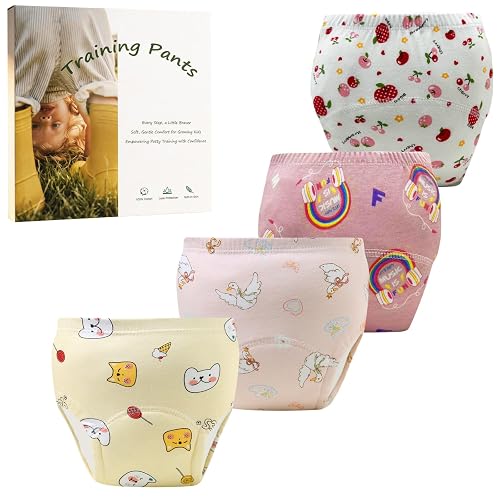
- Buy several pairs of training pants or underwear in your toddler’s size and remove diapers during the block.
- Set a timer for every 20 to 30 minutes to offer the potty, and sit with your child for about one to two minutes.
- Keep a small stash of preferred drinks and snacks nearby so you can offer fluids regularly, which creates more chances to practice.
- Use a simple reward for each success, such as a sticker or a few seconds of applause, and keep it consistent.
- Clean accidents calmly with a short, neutral statement like “pee goes in the potty,” then change clothes and move on.
Handling Accidents and Resistance During the Block
Accidents are expected, and how you respond shapes what your child learns. Keep your tone flat and factual. Toddlers who feel shame or pressure often hold their bladder or resist sitting on the potty altogether. If your child refuses to sit, stop the session, offer a break, and try again later in the day rather than forcing it. Many families find that the same potty-sitting routine works better when paired with a timer; you can read more in Potty Training with a Timer: A Step-by-Step Guide for Toddlers.
If you notice constipation, pain during bowel movements, or sudden regression after previously successful days, consult your pediatrician before continuing.
Knowing When to Pause or Repeat a Block
Not every block succeeds on the first try. A reasonable sign of progress is that your toddler is having fewer accidents by the end of the block, even if the total number is still high. If there is little change after two or three blocks, take a longer break of several weeks, then restart. Repeating a block is normal, and it does not mean you have failed. For parents who want to pair the method with a reward system, Rewards for Potty Training: A Step-by-Step Guide for Toddlers covers options that keep motivation high.
Recommended gear
- Training underwear: Thicker cotton training pants give toddlers a clear feeling of wetness, which helps them connect the sensation to the potty. View on Amazon
- Portable potty seat: A small seat for the toilet or a standalone potty keeps your child comfortable and makes frequent sits easier. View on Amazon
- Kitchen timer: A simple visual or audible timer removes guesswork about when to offer the potty. View on Amazon
Common Mistakes to Avoid
- Starting a block during a stressful week, such as a move or new sibling, which often leads to resistance.
- Offering the potty too rarely; every 20 to 30 minutes is a useful starting point.
- Punishing accidents or making your child clean up in a way that feels shaming.
- Expecting nighttime dryness right away; nighttime control usually comes later.
- Quitting after one rough day instead of judging progress across the whole block.
FAQ
How long should an oh crap potty training blocks session last?
Most families run blocks for two to three days, then pause for a few weeks before repeating if needed. Shorter blocks suit toddlers who tire quickly.
Can I use this method with a child who still wears diapers at night?
Yes. Many parents keep a diaper or pull-up at night until their child stays dry for several consecutive nights. Daytime success does not guarantee nighttime dryness.
What if my toddler refuses to sit on the potty?
Take a break and try again later. Forcing a child to sit usually backfires, so keep sessions short and positive.
Conclusion
Oh crap potty training blocks work best when you plan a calm stretch of days, keep sessions short and consistent, and respond to accidents without pressure. Expect bumps, and adjust timing or rewards as you learn what motivates your child. If progress stalls or you have health concerns, check with your pediatrician.
Related reading
- Why Does My Carry Potty Training Underwear Keep Leaking? 6 Causes and Fixes
- When to Start with Potty Training: Signs Your Toddler Is Ready (2026)
Ready to choose one?
About Miles Sinclair
Miles Sinclair is part of our editorial team and reviews and edits our toddler development & behavior guides, checking product details against manufacturer specifications and owner feedback.