 By Miles Sinclair
Updated November 2026
An indoor dog potty training system is a set of routines, supplies, and boundaries that teaches a dog to eliminate in one designated spot inside your home. With a consistent schedule, the right setup, and a clear reward pattern, most puppies and adult dogs can learn the basics within several weeks. This guide walks you through choosing a location, building a feeding and bathroom schedule, introducing the target surface, and troubleshooting the setbacks that trip up most owners.
Why an Indoor System Works for Some Dogs
Some dogs cannot easily get outside on demand. Apartment dwellers on upper floors, owners with mobility limits, people in extreme-weather climates, and households with very small puppies all benefit from a reliable indoor option. An indoor system does not replace outdoor training for most dogs. It gives you a fallback and, for some dogs, a permanent solution.
Shopping for one? See our guide: 4 Best Indoor Potty Training Dog Aids for Apartments and Homes (2026).
The core idea is simple: dogs tend to eliminate after eating, drinking, waking, and playing. If you predict those moments and present the right spot at the right time, you prevent accidents before they start. Accidents that happen out of sight, when you are not watching, are the main reason training stalls.
Step 1: Choose and Prepare the Potty Zone
Pick one spot and use it every time. Dogs generalize poorly about location, so a bathroom in one room and a laundry corner in another will confuse them. Choose an area that is easy to reach quickly, has a surface that is easy to clean, and is not in the middle of the room where your dog will feel exposed.
Location guidelines
- Keep the spot at least a few feet from the dog’s bed and food bowls. Dogs generally avoid soiling where they sleep and eat.
- Choose a hard or easy-clean floor if possible, such as tile, vinyl, or sealed concrete, with a washable or replaceable surface placed on top.
- Make sure the area is away from loud appliances, heavy foot traffic, and doors that slam.
- If you have a balcony or enclosed porch, a dedicated area there can serve as a middle step between indoor and outdoor elimination.
Step 2: Gather Your Supplies
You do not need much, but the right basics make the system work. Here is a practical checklist:
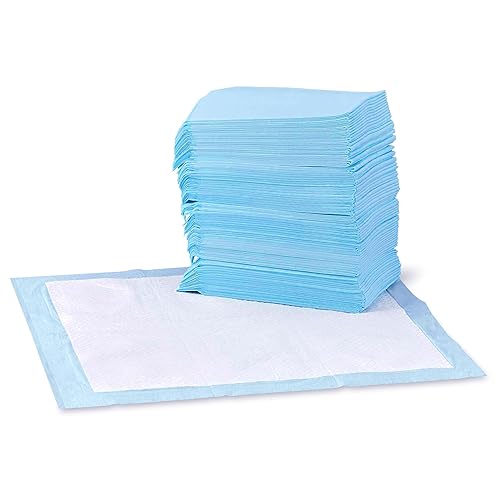
- A target surface, such as pee pads, artificial grass pads, or a litter-style tray, depending on your goal.
- A second surface or pad to use during the transition phase, if you plan to move to outdoors later.
- An enzymatic cleaner formulated for pet urine, to remove odor fully.
- A crate or exercise pen sized so the dog can stand, turn around, and lie down, but not eliminate in the sleeping area.
- A leash for supervised trips, and a timer or phone reminder for scheduled bathroom breaks.
- High-value treats the dog only receives for successful elimination.
For a deeper look at the specific products available, see Potty Training Supplies for Dogs: A Step-by-Step Guide (2026).
Step 3: Build a Schedule Around Your Dog’s Needs
Consistency matters more than any single tool. A young puppy often needs to go every one to two hours while awake, and also right after waking from a nap, after eating, and after vigorous play. Adult dogs usually manage longer intervals, but the same triggers still apply.
| Trigger | What to do |
|---|---|
| Right after waking up | Take the dog directly to the potty zone, without stopping for play. |
| Within 10 to 20 minutes after eating | Bring the dog to the potty zone and wait calmly. |
| After play or excitement | Move to the potty zone as soon as activity slows. |
| Every 1 to 2 hours while awake (puppies) | Use a timer and guide the dog there on a schedule. |
| Before bed and first thing in the morning | Give a final trip and a first trip with no delay. |
Limit water intake a bit in the two hours before bed, but do not restrict water during the day. Dogs need access to fresh water to stay healthy.
Supervision and confinement
Between scheduled trips, keep the dog in sight or in a crate or pen. Dogs who wander unsupervised are far more likely to eliminate in a corner you did not see. Crates work because most dogs prefer not to soil the area where they sleep. Keep the crate small enough that the dog cannot use one end as a bathroom, but large enough to stand up and turn around.
Step 4: Teach the Behavior
Once the dog is at the potty zone, stay calm and quiet. Keep the leash loose and resist the urge to play or talk, because distraction slows elimination. Give the dog up to five minutes. When the dog eliminates, mark the moment with a calm verbal cue such as “good potty,” then give a treat within two to three seconds.
Reward timing and value
- Deliver the reward within about three seconds of finishing. Longer delays weaken the connection.
- Use treats the dog rarely gets otherwise. Ordinary kibble may not be motivating enough.
- After a successful potty, give a short play break. This helps the dog associate the zone with a positive experience.
- If the dog does not go within five minutes, return to the crate or pen for ten minutes, then try again.
Step 5: Handle Accidents Without Setbacks
Accidents will happen. Your response determines how quickly the dog learns. If you catch the dog mid-accident, calmly interrupt with a neutral sound, then carry or guide the dog to the potty zone to finish. Do not punish. Dogs do not connect punishment that happens after the fact with the act itself, and it can teach them to hide elimination from you.
When you find a mess later, clean it with an enzymatic cleaner. Standard cleaners can leave a scent that encourages the dog to return to the same spot.
If your dog is struggling despite a consistent routine, a health issue such as a urinary tract infection could be the cause. Consult your veterinarian if you notice frequent small urinations, straining, blood, or sudden accidents in a dog that was previously reliable.
Step 6: Transition Gradually (If You Plan To)
If your long-term goal is outdoor elimination, move the target gradually. Shift the indoor surface a few inches closer to the door each day, or move it to a patio or balcony and then to the yard. Keep the same cue words and the same rewards throughout. Rushing this step is one of the most common reasons owners end up back at square one.
Common Mistakes
- Inconsistent location. Using several spots confuses the dog and extends training time.
- Too much freedom too soon. Give access to the whole home only after weeks of reliable habits.
- Waiting too long between trips. A puppy who waits past its limit will likely have an accident.
- Scolding after the fact. Dogs cannot link a scolding to an accident that happened earlier.
- Using a weak cleaner. Lingering odor invites repeat accidents in the same spot.
- Dropping the schedule too early. Many owners relax the routine after a few good days, then see regression.
Tips for Success
- Keep a simple log of times, locations, and outcomes for the first two weeks. Patterns become obvious quickly.
- Expect progress to be uneven. A good week followed by an accident does not mean the system has failed.
- Practice the cue word on successful trips so the dog eventually associates it with elimination.
- Consider the dog’s breed and age. Smaller breeds often need more frequent trips and more time to mature. For example, see Havanese Dog Potty Training: Why It Takes Longer and How to Speed It Up.
- If you live in an apartment, explore options like 3 Best Dog Potty Training Apartment Aids for Small Spaces (2026).
Recommended Gear
A few purpose-built items can make the system easier to manage. Owners often report that a dedicated tray helps with cleanup and containment compared with loose pads.
- PetSafe ScoopFree Self-Cleaning Litter Box is a self-cleaning tray design that some owners adapt for puppy training in a designated corner.
View on Amazon - Nature’s Miracle Advanced Stain and Odor Remover is an enzymatic cleaner widely used for pet urine cleanup, helping to eliminate the scent that draws dogs back to the same spot.
View on Amazon - Richell Convertible Pet Pen is a modular exercise pen that can define a potty zone and keep the dog contained between scheduled trips.
View on Amazon
FAQ
How long does indoor potty training take?
Many puppies show clear progress within two to four weeks of consistent routines. Full reliability often takes two to six months, and smaller breeds or dogs with previous bad habits may take longer.
Can an adult dog learn an indoor system?
Yes. Adult dogs often learn faster because they have better bladder control, though they may have established habits to unlearn. Follow the same schedule and reward structure, and be patient with accidents during the first few weeks.
Should I use pee pads or a grass pad?
Pee pads are common and disposable, while grass-style pads offer a more natural texture that can help with later outdoor transitions. Choose based on your long-term goal and the dog’s surface preferences.
How often should I take my puppy to the potty zone?
A common guideline is to take a young puppy every one to two hours while awake, plus right after waking, eating, and playing. Adjust based on the dog’s actual pattern.
What if my dog only goes when I’m not watching?
Increase supervision and confinement between trips. Keep the dog in sight or in a crate or pen, and take them to the potty zone more often so the timing matches their needs.
Is it okay to use a crate for an indoor system?
A properly sized crate is a helpful tool. Dogs generally avoid soiling where they sleep, so the crate reinforces good habits. Never leave a dog confined for long periods, and make sure the crate is not too large.
When should I see a veterinarian about potty problems?
Consult your veterinarian if accidents are sudden, the dog seems to strain, drinks much more than usual, or shows blood in the urine. These can signal a medical issue that training alone will not fix.
Conclusion
An indoor dog potty training system works best when you choose one consistent spot, follow a predictable schedule, and reward successful elimination right away. Accidents are a normal part of the process, so respond calmly and clean thoroughly. With patience and steady routines, most dogs learn the system within weeks to months.
Related reading
- Small Puppy Potty Training: 5 Best Indoor Potty Setups for Little Dogs (2026)
- Dog Potty Training System: A Step-by-Step Guide for Beginners
- Potty Training Grown Dogs: A Step-by-Step Guide for Owners
- Potty Training Adult Dogs: A Step-by-Step Guide for Owners
- Dog Training Potty Pads: A Step-by-Step Guide for Toddler Parents
Ready to choose one?
About Miles Sinclair
Miles Sinclair is part of our editorial team and reviews and edits our toddler development & behavior guides, checking product details against manufacturer specifications and owner feedback.