 By Audrey Hayes
Updated November 2026
If you are searching for the first time parent’s guide to potty training, you probably want a clear, practical book that tells you what to do first and what to skip. This review looks at The First-Time Parent’s Guide to Potty Training: How to Ditch Diapers Fast (and for Good!) as a research-based read rather than a hands-on test. It suits parents who are starting from scratch, want a short plan, and like a direct, step-by-step tone. It is less useful for parents who already have a toddler in the middle of a stalled attempt, or who want a deep dive into child development theory.

The First-Time Parent's Guide to Potty Training: How to Ditch Diapers Fast (and for Good!)
Product Overview
The First-Time Parent’s Guide to Potty Training is a paperback guide aimed at parents who have never done toilet training before, or who tried once and gave up. The title promises a fast transition away from diapers, and the book is organized around a sequence of decisions and actions rather than around age milestones alone. Its tone is practical and conversational, with the goal of helping a parent make a plan and stick to it.
Guides in this category usually fall into two camps. Some are short, intensive “do it in a few days” plans, and others are longer, developmental references that treat toilet learning as a gradual process. This book sits closer to the practical, action-first end of that range. Readers should expect a focus on preparation, routine, and handling the common hurdles that come up in the first weeks, rather than a catalog of every possible toddler behavior.
It is worth stating up front what this review cannot do. It cannot tell you how a specific child will respond, and no book guarantees a timeline. Potty training readiness depends heavily on the child’s physical development, temperament, and the household’s consistency. The book is a framework, and its usefulness depends on how closely a parent can follow it.
Key Features & Specifications
The listing title confirms the core details below. Other specifics, such as exact page count or trim size, vary by edition and are best checked on the product page before buying.
| Feature | Details |
|---|---|
| Title | The First-Time Parent’s Guide to Potty Training: How to Ditch Diapers Fast (and for Good!) |
| Format | Print book (paperback listing) |
| Intended reader | First-time parents and caregivers starting toilet training |
| Focus | Practical plan for leaving diapers behind |
| ASIN | 059319666X |
Because the listing name is the most reliable source of specifics, this review keeps to what the title states. Check the edition, page count, and publication date on the product page, since these details can change between printings.
Pros & Cons
Pros
- Written specifically for parents who have never toilet trained a child, so the assumptions match a first-timer’s level.
- The title signals an action-oriented approach, which suits parents who want a plan rather than a long theory discussion.
- A print book is easy to keep open on a counter or nightstand during the first few weeks.
- Covers the “how to get started” question directly, which is often where new parents stall.
Cons
- A fast-results promise can set expectations too high, since readiness and temperament vary widely between toddlers.
- Parents who want a detailed look at child development or the science of bladder control may find it thin.
- A single book cannot address every situation, such as daycare coordination, night dryness, or a child with a known medical or developmental concern.
- Advice in any potty book can conflict with a family’s existing routines, so parents may need to adapt rather than follow it word for word.
Performance Analysis
A book does not perform in the way an appliance does, so “performance” here means how well the guide’s approach is likely to work for the reader. This analysis draws on the listing title and on common patterns that owners of similar guides often describe, rather than on any personal trial.
Owners of practical potty books frequently report that the most useful sections are the preparation steps: choosing a potty or seat, setting a routine for sitting, and deciding how to respond to accidents. Parents often find that a clear, repeatable script for accidents reduces their own stress, which in turn makes the process calmer for the child. That benefit is real, but it depends on the reader actually sticking to the plan for several weeks.
The “fast” framing deserves caution. Many toddlers take weeks to months to become consistently dry during the day, and nighttime dryness usually comes later, often well after daytime success. Readers should treat any short-timeline promise as a best-case scenario. A reasonable expectation for a first attempt is steady progress over several weeks, with setbacks along the way.
Readiness is the other variable. Signs such as staying dry for two hours or more, showing interest in the toilet, and being able to follow simple directions tend to predict a smoother start. A guide can help a parent recognize these signs, but it cannot create readiness that is not there. If a child shows no interest or has significant physical difficulty, pausing and trying again later is often more effective than pushing through.
For parents with concerns about constipation, bladder problems, or delayed toileting, a pediatrician or pediatric urologist should be consulted before relying on any book’s timeline. Persistent accidents, pain during urination, or hard stools are reasons to seek professional advice rather than extend a home plan.
Who Should Buy This Product?
This book is a good match for a parent who is preparing to start toilet training for the first time and wants a clear, step-by-step structure. It also suits parents who tried before without a plan and want a fresh, organized approach. If you prefer to read a short guide once and act on it, the format will likely feel comfortable.
You may want to skip it if you are looking for a long, research-heavy text on child development, or if your toddler is already well into training and you need help with a specific problem like nighttime wetting. In those cases, a more specialized resource will likely serve you better. Parents of children with developmental delays or medical conditions should talk with a pediatrician first and treat any general guide as background reading rather than a complete plan.
Before buying, check the reviews for the specific edition, since owners tend to comment on how practical the writing feels and whether the advice matched their child’s age.
Buying Guide
Potty training guides differ in length, tone, and philosophy, so it helps to know what you are choosing between. Consider three questions: How much time do you want to spend reading before you start? Do you want a short intensive plan or a gradual, child-led approach? And do you want a print book you can reference, or are you happy with a digital format?
The title of this book points toward a fast, action-first approach. If you want a more gradual method, some readers prefer other titles. Below are two well-known alternatives that cover similar ground, each with a different angle.
Potty Training in 3 Days is a short, intensive plan built around a concentrated stretch of time at home. It suits parents who can clear several days and want a single, defined push. Its tight schedule is the main tradeoff, since it asks a lot of the household for that window.

Potty Training in 3 Days: The Step-by-Step Plan for a Clean Break from Dirty Diapers
Oh Crap! Potty Training is part of a broader parenting series and takes a more conversational, humorous tone. Readers who like a relaxed, reassuring voice often find it easier to read on a busy day. It covers a wide range of situations, which can be helpful, though some parents find the scope broader than they need.
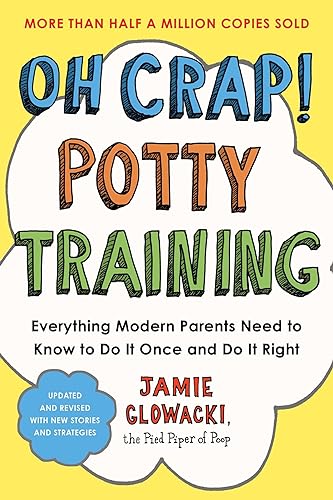
Oh Crap! Potty Training: Everything Modern Parents Need to Know to Do It Once and Do It Right (Oh Crap Parenting)
Whichever book you choose, a few factors matter more than the title. Look for a plan that includes an accident routine, a sitting schedule, and guidance on readiness. Avoid any book that promises identical results for every child, because that claim does not reflect how toddlers actually develop.
For more context on timing and readiness, you may find these related reads useful. When Is the Best Time to Start Potty Training? 5 Books That Help (2026) compares several titles side by side, and When to Start with Potty Training: Signs Your Toddler Is Ready (2026) explains the readiness signs in more detail. If nighttime is your main concern, When to Start Potty Training at Night: 6 Books and Tools Compared (2026) covers that stage specifically. Parents who want a broader list can also look at 6 Best Potty Training Books for Parents Who Want a Clear Plan and First Steps to Potty Training: 6 Best Books and Guides for Toddlers (2026). For a practical checklist of methods, Tips in Potty Training: 9 Practical Steps That Work for Toddlers is a useful companion.
FAQ
Is this book suitable for a first-time parent with no prior experience?
Yes, the title and framing are aimed at parents who have never toilet trained a child. It starts from the basics and focuses on preparation and early steps. Readers with more experience may find some sections familiar.
How long does it take to potty train a toddler?
There is no single answer. Many children become consistently dry during the day over several weeks to a few months, and nighttime dryness often takes longer. Treat any short timeline as a best case, not a promise.
What age should I start potty training?
Readiness matters more than age. Many toddlers show signs between about 18 months and 3 years, but a child who shows no interest or has physical difficulties may need to wait. Consult a pediatrician if you have concerns about development.
What if my child has frequent accidents?
Accidents are normal during training. A calm, consistent response, such as a brief cleanup and a reminder to try the potty next time, tends to work better than punishment. Persistent accidents, pain, or constipation should be checked by a doctor.
Do I need a special potty chair to use this book?
Not necessarily. Many families use a child-sized potty or a seat that fits on a regular toilet. The book’s approach is more about routine and response than about one specific piece of equipment.
Can I use this book alongside daycare or a babysitter?
Yes, but you will need to share the plan with caregivers so everyone responds to accidents and sitting times in the same way. Consistency across settings is one of the most common challenges in toilet training.
Is this book enough on its own?
It can serve as a foundation, but many parents combine a guide with pediatric advice and practical resources. If your child has a medical, developmental, or bladder concern, professional guidance should come first.
Before you buy: helpful guides
About Audrey Hayes
Audrey Hayes is part of our editorial team and reviews and edits our toddler development & behavior guides, checking product details against manufacturer specifications and owner feedback.