 By Miles Sinclair
Updated November 2026
A potty training prize box gives your toddler a clear, visible reason to try the potty. You fill a box with small, inexpensive rewards, set simple rules for earning them, and hand them out right after each success. Done consistently, it can make the process more fun and predictable for both of you.
Decide When and How the Prize Box Works
Before you buy anything, decide what counts as a success. Many parents start with any urine or stool in the potty, since that is an easy win for a toddler who is just learning. As your child gets more reliable, raise the bar to sitting on the potty for a set time or staying dry through a nap.
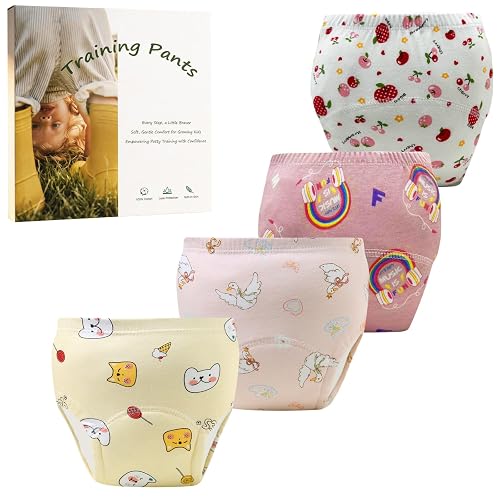
Shopping for one? See our guide: Undies for Potty Training: 7 Best Picks for Toddlers (2026).
Also decide how often rewards come. Early on, reward every attempt. Over the first few weeks, shift to rewarding only full successes. Frequent, quick rewards work best for children under about 2½, while older toddlers often respond well to a sticker chart that leads to a bigger prize.
Set Up the Box
Choose a container your toddler can open alone, such as a shoebox or a small bin with a lid. Put it somewhere they can see but not reach without help, like a closet shelf they can point to. Keep the items in view so the box feels like a goal, not a surprise bag.
Use a short checklist to get started:
- Pick a container your child can open with supervision.
- Fill it with 10 to 15 small prizes, such as stickers, bubbles, small books or sidewalk chalk.
- Add a few higher-value prizes for milestone days, like a trip to the park or a special snack.
- Write or draw a simple rule card, for example: “Pee in the potty, pick a prize.”
- Place the box within sight of the bathroom.
Use the Box Consistently
Give the prize immediately after the success, ideally within a few seconds. Toddlers connect actions and rewards in the moment, so a delayed prize loses its meaning. Praise the specific behavior too: “You sat on the potty and went pee. Great job.”
Keep the rules the same every day. If the box is available on Monday but not on Tuesday because you are tired, your toddler will get confused. If you need to change the rules, explain the change calmly and show them the new card.
Rotate Prizes
Swap prizes every few days so the box stays interesting. You can keep the same items but move them to the bottom, or add a new small item to replace one that has lost its appeal. Let your toddler choose from two options when possible, which gives them a sense of control.
Know When to Adjust or Stop
If your toddler shows no interest after two to three weeks of consistent use, the timing may be off. Readiness signs such as staying dry for longer stretches or pulling at a wet diaper are a good guide. Pausing for a few weeks and trying again is a normal part of potty training.
Avoid using the potty as a punishment or taking away the prize box for accidents. Accidents are part of learning, and shame tends to make toddlers resist the potty more.
Common Mistakes
- Making the prizes too big, which turns every success into a major event.
- Offering the prize only after a long delay, so your child doesn’t connect it to the action.
- Changing the rules without telling your toddler.
- Expecting the box alone to finish potty training. It supports the process, but consistent routines matter more.
- Stopping the box abruptly once your child is trained, rather than phasing out the rewards gradually.
Recommended Gear
A basic set-up needs very little. A sturdy, child-accessible container and a sticker chart can cover most of what you need.
- Clear storage bins with lids make it easy for toddlers to see the prizes while keeping them organized. View on Amazon
- Reusable sticker chart pads let your child mark successes and build toward a bigger reward. View on Amazon
- A small potty seat with a stable base helps toddlers feel secure on the potty, which supports regular attempts. View on Amazon
FAQ
How many prizes should be in the box?
Ten to fifteen small items is usually enough to last a few weeks without overwhelming your child. Rotate them so the box still feels new.
What if my toddler only wants the prize and not the potty?
Keep the rule tied to the potty itself, and praise the sitting and the effort, not just the prize. Over time, shift the reward toward a sticker chart so the focus moves from the object to the success.
Should I give a prize for accidents?
No. Rewarding only successful potty use keeps the rules clear. Stay calm after accidents, clean up without fuss, and invite your child to try again.
Conclusion
A potty training prize box works best when the rules are clear, the rewards are small and immediate, and you stay consistent. Start with easy wins, raise the bar as your toddler improves, and phase the box out gradually. If you have concerns about your child’s bladder or bowel habits, check with your pediatrician.
Related reading
- Why Does My Carry Potty Training Underwear Keep Leaking? 6 Causes and Fixes
- When to Start with Potty Training: Signs Your Toddler Is Ready (2026)
- When to Begin Potty Training: Signs Your Toddler Is Ready (2026)
Ready to choose one?
About Miles Sinclair
Miles Sinclair is part of our editorial team and reviews and edits our toddler development & behavior guides, checking product details against manufacturer specifications and owner feedback.