 By Miles Sinclair
Updated November 2026
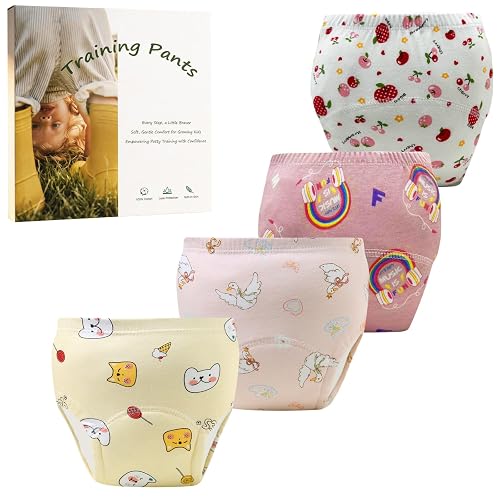
The best potty training panties are thick, absorbent, and snug enough to feel wet right away, so your toddler notices accidents and learns from them. This guide explains what to look for, how to size and introduce them, and how to avoid the mistakes that slow progress. You will leave with a clear way to pick a pair and a plan for using them.
What Makes Potty Training Panties Work
Training panties sit between disposable diapers and regular underwear. Their job is to hold a small amount of urine, so your child feels the wetness and connects it with the bathroom. Thin cotton underwear lets everything through, which teaches nothing. Thick, layered styles hold too much, which hides accidents. The right pair falls in the middle.
Shopping for one? See our guide: Undies for Potty Training: 7 Best Picks for Toddlers (2026).
Look for these features when comparing options:
- Absorbent core: Multiple layers that hold roughly a few tablespoons of fluid without soaking through to pants.
- Waterproof outer layer: Keeps wetness off clothes and car seats.
- Elastic waist and leg bands: Snug without digging in, so the pair stays put during play.
- Easy pull-up design: Your toddler should be able to get them up and down without help.
- Breathable fabric: Cotton blends or mesh panels reduce rashes during long days.
How to Size and Fit Training Panties
Fit affects leaks more than almost any other factor. Most manufacturers size by weight and waist measurement, so check the chart on the package rather than guessing from your child’s age. Measure around the widest part of the hips and compare it to the range listed. If the elastic leaves red marks after an hour, the pair is too tight. If urine runs down the legs, the pair is too loose or the leg openings gap.
Buy one size up if your child is between sizes or growing quickly, but avoid going more than one size up, because loose pants leak at the sides.
Introducing Panties Step by Step
- Choose a period of two to three days at home when you can stay near a bathroom.
- Dress your child in the panties and loose pants or a skirt that pulls down easily.
- Offer a drink every 30 to 45 minutes so there are regular chances to use the potty.
- Check the panties every 15 to 20 minutes at first. If they are wet, say so calmly: “Your panties are wet. Let’s go sit on the potty next time.”
- Praise dry stretches and successful potty trips, not just accidents avoided.
- Keep a stock of spare panties and clothes ready, and expect several changes a day at first.
For a broader view of timing and readiness, see Panties for Potty Training: A Step-by-Step Guide for Toddlers and When to Start with Potty Training: Signs Your Toddler Is Ready (2026).
Choosing Between Disposable and Reusable Options
Disposable training pants are convenient for daycare, travel, and nap time. Reusable cloth-style panties cost less over time and feel more like real underwear, which many children find motivating. Many families use both: reusable pairs at home on dry days, disposable pairs for outings. If you want a closer look at reusable choices, Reusable Potty Training Underwear: A Step-by-Step Guide for Toddlers covers washing and care in detail.
When to Pause Training
If your child is sick, has constipation, or is going through a major change such as a new sibling or move, a short pause is reasonable. Restart once things settle. Constipation in particular can make potty use painful, so talk with your pediatrician if bowel movements are hard or infrequent.
Recommended gear
- Waterproof training pants with a thick core: Useful for the first few weeks, when accidents are frequent and you want fewer changes. View on Amazon
- Waterproof mattress protector: Protects the bed during nighttime accidents and makes cleanup faster. View on Amazon
- Portable potty seat: Gives your child a reachable spot for car trips and outings. View on Amazon
Common Mistakes and Tips
- Switching to regular underwear too early, before your child has several dry days in a row.
- Choosing overly thick pants that hide accidents and reduce the feeling of wetness.
- Sizing up too far, which causes side leaks and confusion about where urine goes.
- Scolding for accidents. Keep the tone neutral and focus on the next bathroom trip.
- Expecting nighttime dryness at the same time as daytime. Nights often take months longer.
For more ideas on rewards and routines, read Tips in Potty Training: 9 Practical Steps That Work for Toddlers.
FAQ
How many pairs of training panties should I buy to start?
Plan for at least eight to ten pairs for the first week, since your child may change several times a day. Wash cycles and accidents add up quickly, so having extras keeps things manageable.
Can my child wear training panties at night?
Many children need a more absorbent option at night, such as a nighttime pull-up, until they stay dry for several weeks in a row. Ask your pediatrician if night wetting continues past age five or six, or if it started suddenly after a period of dryness.
What if my toddler refuses to wear them?
Let your child pick between two pairs, and avoid making them a punishment or threat. If refusal continues, pause for a week or two and try again, since readiness varies widely.
Conclusion
The best potty training panties balance absorbency, fit, and a feel of wetness that teaches. Choose a size by measurement, introduce them during a focused stretch at home, and keep your responses calm. Consistency over a few weeks usually matters more than the brand you pick.
Related reading
- Best Potty Seat for Potty Training: 4 Types Compared for Toddlers (2026)
- 3 Best Dog Potty Training Apartment Aids for Small Spaces (2026)
Ready to choose one?
About Miles Sinclair
Miles Sinclair is part of our editorial team and reviews and edits our toddler development & behavior guides, checking product details against manufacturer specifications and owner feedback.