 By Miles Sinclair
Updated November 2026
An ms rachel potty training doll is a toy modeled on the character from the Ms. Rachel children’s show, designed to pair with potty routines. Parents often use these dolls to introduce the idea of sitting on the toilet, flushing, and washing hands in a playful way. They can help a curious toddler feel more comfortable with the process, but they work best as one tool among many, not as a stand-alone solution.
Why a Doll Can Help a Toddler Learn Potty Skills
Toddlers learn a lot through pretend play and imitation. A doll gives your child a safe way to practice the steps of toileting without the pressure of doing it themselves. Many toddlers are more willing to watch a doll “go potty” than to try it on their own, especially in the early weeks. Pretend play also builds vocabulary around the body, bathroom words, and routines, which supports the broader skills covered in Potty and Toilet Training: A Step-by-Step Guide for Toddlers.
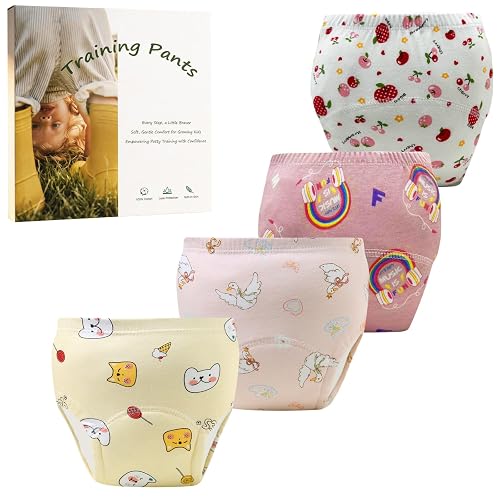
Shopping for one? See our guide: Undies for Potty Training: 7 Best Picks for Toddlers (2026).
Factors That Affect Whether It Works
A doll will not replace readiness. Most children show signs of readiness somewhere around 18 to 30 months, though the range is wide. Look for staying dry for two hours or more, telling you when they are wet or soiled, and wanting to copy adults. If your child is not showing these signs yet, a doll may still be fun, but it will not speed things up. You can review those signs in When to Begin Potty Training: Signs Your Toddler Is Ready (2026).
Consistency matters too. If the doll is used as a reward toy or a distraction, your child may connect it with a treat rather than with the skill. Parents who see the best results usually schedule short, regular practice sessions and keep the tone calm when accidents happen. For more on structuring rewards, see Rewards for Potty Training: A Step-by-Step Guide for Toddlers.
How to Use a Potty Doll at Home
- Let your toddler pick the doll and give it a name so they feel ownership.
- Sit the doll on a potty chair for two to three minutes, then say what the doll is doing.
- Show the full routine: pants down, sit, wipe, pants up, flush, and wash hands.
- Ask your child to help the doll with each step, then offer the same turn to them.
- Keep sessions short, around five minutes, and repeat them once or twice a day.
- Respond to accidents with a neutral comment, such as “Pee goes in the potty next time,” and move on.
Pair the doll practice with your child’s own bathroom trips. A doll is most useful when it leads to real attempts on the potty. If your toddler resists, pause for a few weeks and try again later rather than pushing harder.
What We’d Use
Look for a potty training doll that matches the Ms. Rachel character and includes a small potty or diaper accessory. Owners often report that the accessories are what keep toddlers engaged longer.
- Ms. Rachel potty training doll with accessories: a character doll designed for pretend toileting practice. View on Amazon
- Toddler potty chair with a removable bowl: a sturdy, low seat that lets your child copy the doll’s sitting position. View on Amazon
FAQ
Will an ms rachel potty training doll make my toddler potty trained faster?
Not on its own. It can make the idea of the potty more familiar and fun, but readiness and daily practice matter more. Expect it to be one helpful part of a steady routine.
What age is best to start using a potty doll?
Many parents start around 18 months, when toddlers enjoy pretend play. Your child’s interest and imitation skills matter more than a specific age.
What if my child is scared of the doll’s potty or sounds?
Let your child control how close the doll gets, and skip any sound features if they cause distress. Some toddlers prefer watching at first, and that is fine. If fears continue or you have concerns about your child’s development, talk with your pediatrician.
Related reading
Ready to choose one?
About Miles Sinclair
Miles Sinclair is part of our editorial team and reviews and edits our toddler development & behavior guides, checking product details against manufacturer specifications and owner feedback.