 By Miles Sinclair
Updated November 2026
Potty training Yorkies puppies usually takes a few weeks to a few months, and the process depends on consistency more than size. Yorkies are small, so their bladders are small too, and they need frequent trips outside. Take your puppy out after meals, naps, and play, reward every success right away, and clean accidents with an enzymatic cleaner so the spot does not invite a repeat. If you want more background, see 7 Best Labrador Puppy Potty Training Books and Sprays Compared (2026).
Why Yorkies Take Time to Potty Train
Toy breeds have tiny bladders and fast metabolisms, which means they need to go outside often. A young Yorkie may need to relieve itself every hour or two while awake. Many owners also find that small dogs are easier to carry indoors, so accidents can go unnoticed until a puddle appears on the rug. You may also like 7 Best Potty Training Lab Puppies Products for Faster Housebreaking.
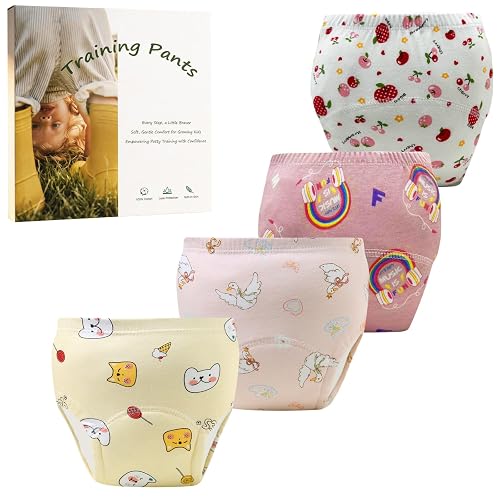
Shopping for one? See our guide: Undies for Potty Training: 7 Best Picks for Toddlers (2026).
Puppies under about 16 weeks have limited bladder control, so expecting perfect behavior too early sets both of you up for frustration. Parents of human toddlers will recognize the pattern: readiness and routine matter more than pressure. If you are curious how readiness works in children, the article When to Begin Potty Training: Signs Your Toddler Is Ready (2026) explains the same principle from a different angle.
Factors That Affect Progress
- Age: Most puppies can start learning around 8 to 12 weeks, but bladder control keeps improving through about 6 months.
- Schedule: Regular feeding times make bowel movements more predictable, which helps you time outdoor trips.
- Environment: A puppy that can smell old urine will return to the same spot. Confined indoor space with clear boundaries reduces accidents.
- Weather: Cold, rain, or heat can make a puppy hesitate to go outside, so plan shelter and short, calm trips.
How to Potty Train a Yorkie Puppy Step by Step
- Take your puppy outside first thing in the morning, within 10 minutes of waking, after every meal, and after every nap.
- Use the same potty spot and a consistent cue word such as “go potty” while the puppy is relieving itself.
- Reward within 2 to 3 seconds of finishing with a small treat and praise. Delayed rewards confuse puppies.
- Supervise indoors closely. If you cannot watch, use a crate or a playpen to limit access to the rest of the house.
- When you catch an accident in progress, calmly interrupt, move the puppy outside, and reward if it finishes there. Never punish after the fact.
- Clean accidents with an enzymatic cleaner designed for pet urine, since ammonia-based cleaners can smell similar to urine and encourage repeat soiling.
What We’d Use
A secure crate with a divider panel helps you keep a small puppy in a manageable space while you work on routine. Search for small dog wire crate with divider to find sizes made for toy breeds. View on Amazon
An enzymatic pet stain and odor remover breaks down urine proteins so the puppy is less likely to return to the same spot. View on Amazon
FAQ
How long does it take to potty train a Yorkie puppy?
Many Yorkie puppies show reliable habits within 4 to 8 weeks of consistent routine, though some take longer. Expect setbacks during growth spurts or changes in routine.
Should I use puppy pads?
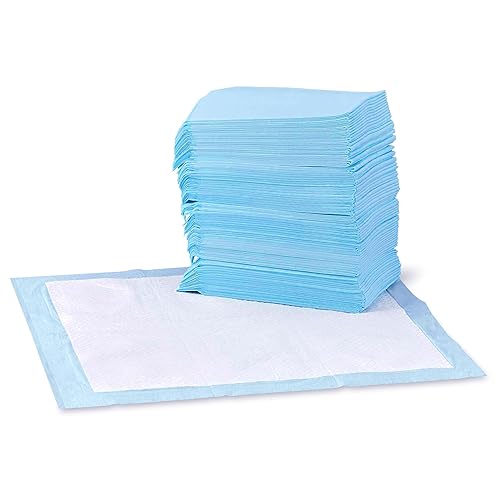
Pads can help in apartments or during cold weather, but they may teach a puppy that indoor elimination is acceptable. If you use them, move them gradually closer to the door over time. Worth reading next: Potty Training a Havanese Puppy: 7 Steps That Work (2026).
When should I call a vet about accidents?
Contact a veterinarian if your puppy strains, passes blood, drinks much more water than usual, or suddenly has accidents after being trained. These can signal a urinary infection or other health issue that needs professional care.
Related reading
- When to Start with Potty Training: Signs Your Toddler Is Ready (2026)
- What Is the Average Age for Potty Training Cloth Diapers Kids? Timing Guide
Ready to choose one?
About Miles Sinclair
Miles Sinclair is part of our editorial team and reviews and edits our toddler development & behavior guides, checking product details against manufacturer specifications and owner feedback.