 By Miles Sinclair
Updated November 2026
Potty training a Havanese puppy comes down to three things: a predictable schedule, quick rewards for success, and calm, consistent responses to accidents. Most small breeds like the Havanese take several weeks to become reliable, and some need a few months. This guide walks through a routine you can start the day your puppy comes home.
Why Havanese Puppies Are Often Slower to Learn
Havanese are smart and eager to please, but their small bladders and fast metabolisms mean they need to go often. Their long coats can also make accidents harder to spot. Many owners find that a puppy who looks clean is still leaving small puddles on the rug. Expect a learning curve, and focus on steady progress rather than perfection.
Shopping for one? See our guide: Undies for Potty Training: 7 Best Picks for Toddlers (2026).
If you are also thinking about your toddler’s bathroom habits, the timing guide on When to Start with Potty Training: Signs Your Toddler Is Ready (2026) covers readiness signs in children, which parallel some of the patience you will need here.
Step-by-Step Routine for the First Few Weeks
Set a fixed routine and stick to it. Puppies usually need to go within minutes of waking, after eating, after play, and before bed. Take your puppy to the same outdoor spot each time, and use the same cue word, such as “go potty,” in a calm voice.
- Take your puppy out first thing in the morning, before any play.
- Go outside after every meal, nap, and play session. Wait about 5 minutes.
- Stay with your puppy. Stand still and keep the setting boring so your puppy focuses on the task.
- When your puppy finishes, reward within 2 to 3 seconds with a small treat and praise.
- Bring your puppy back inside and give supervised play time.
- Take your puppy out again every 1 to 2 hours during the day, as a general starting point.
- Pick up water about 1 to 2 hours before bedtime, but keep food and fresh water available during the day.
Supervision, Crate Use, and Accident Management
Supervision is the fastest way to prevent accidents. When you cannot watch your puppy closely, a properly sized crate can help. The crate should be large enough for your puppy to stand, turn around, and lie down, but not so large that they can soil one corner and sleep in the other. Puppies generally avoid soiling where they sleep, which is why crates work well for many households.
When an accident happens, interrupt calmly if you catch it in progress, carry your puppy outside, and let them finish. Do not scold, yell, or rub their nose in it. Puppies often do not connect punishment with the earlier mess, so it only teaches them to hide. Clean accidents with an enzymatic cleaner to remove odor, since lingering smells can draw your puppy back to the same spot.
Many parents of toddlers also find that using a routine and patient reinforcement works well across ages. The approach in Potty Training Tips and Advice: A Step-by-Step Guide for Toddlers shares this same idea of rewarding small wins and staying consistent.
Tracking Progress and Adjusting the Schedule
Keep a simple log for the first two weeks. Note the times your puppy goes, the times of accidents, and what happened just before. Patterns show up quickly. If accidents cluster after naps, add a potty trip right after waking. If your puppy has frequent accidents in one room, limit access to that area until they are more reliable.
Gradually stretch the time between trips as your puppy matures. A general guide is one additional hour for each month of age, though individual puppies vary. Expect occasional setbacks during teething, illness, or household changes. You may also like 7 Best Labrador Puppy Potty Training Books and Sprays Compared (2026).
Common Mistakes
- Waiting too long between potty trips, which sets up accidents.
- Rewarding late, so the puppy connects the treat with something other than going outside.
- Using a crate that is too large, which makes it easier for the puppy to soil.
- Punishing accidents, which teaches hiding rather than outdoor habits.
- Switching outdoor spots or cue words too often.
Recommended Gear
- Enzymatic cleaner: Breaks down urine proteins so puppies are less likely to return to the same spot. View on Amazon
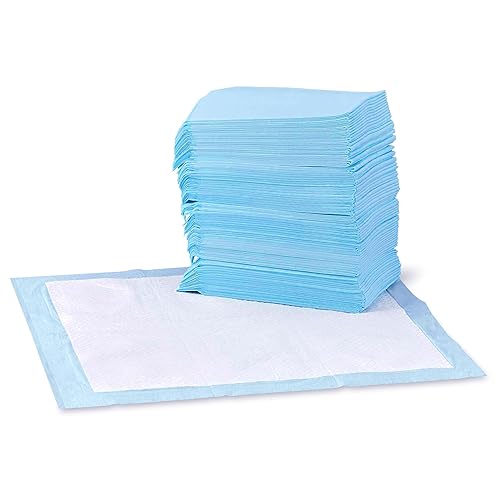
- Puppy pads: Useful for apartment living or bad weather, though some owners find they make outdoor training slower. View on Amazon
- Properly sized wire crate with divider: Helps you size the space to your puppy’s growth. View on Amazon
FAQ
How long does potty training a Havanese puppy usually take?
Most Havanese puppies become fairly reliable within 4 to 6 months, though some learn faster and others need longer. Consistency matters more than age alone. Expect occasional accidents well into the first year. For another angle, check out 7 Best Potty Training Lab Puppies Products for Faster Housebreaking.
Should I use pee pads or take my puppy outside?
Outdoor training is the long-term goal for most families. Pads can help in apartments or during bad weather, but switching them out later can slow progress, so plan the transition early.
When should I call a veterinarian about potty problems?
Contact your veterinarian if your puppy strains, has blood in the urine, drinks unusually large amounts of water, or suddenly starts having accidents after being reliable. These can signal a medical issue, and a professional should check them.
Conclusion
Potty training a Havanese puppy works best with a steady schedule, prompt rewards, and calm handling of accidents. Track patterns for the first few weeks and adjust as your puppy grows. With patience, most Havanese puppies develop reliable habits within a few months.
Related reading
- When to Begin Potty Training: Signs Your Toddler Is Ready (2026)
- What Is the Average Age for Potty Training Cloth Diapers Kids? Timing Guide
- Using Cloth Diapers for Potty Training: A Step-by-Step Guide for Toddlers
Ready to choose one?
About Miles Sinclair
Miles Sinclair is part of our editorial team and reviews and edits our toddler development & behavior guides, checking product details against manufacturer specifications and owner feedback.