 By Caleb Morgan
Updated November 2026
A toddler sleep aid for a 2 year old works best as part of a consistent routine, not as a standalone fix. In this guide, you’ll learn which sleep aids are considered safe at this age, which ones to avoid, and how to build a bedtime plan that helps your child settle and stay asleep. Most toddlers improve within two to three weeks once the routine is steady.
Why Two-Year-Olds Struggle to Sleep
Two-year-olds are dealing with a lot. Language is exploding, independence is growing, and the brain is busy sorting out new experiences all day long. Many toddlers at this age also resist bedtime because it means separation, and they are learning that they can say no. If you’re noticing nighttime wakings or stalling, it helps to know what is typical. The broader developmental picture is covered in Toddler Development 3 Years: What to Expect and How to Support It, which describes the changes that often affect sleep just before this stage.
Shopping for one? See our guide: 6 Best Books and Aids for Toddler Won't Sleep in New House (2026).
Common sleep disruptors at age two include:
- Transitions, such as a new bed, a new sibling, or moving house
- Daytime naps that run too late or too long
- Teething, ear infections, or a stuffy nose
- Fear of the dark or nightmares as imagination develops
- Dropping a pacifier or comfort object
- Overtiredness, which can look like hyperactivity rather than sleepiness
Before adding any aid, rule out illness, pain, and hunger. A toddler who is congested or in pain will not sleep well no matter what you use.
Step-by-Step: Building a Sleep Plan Before Adding Aids
Sleep aids work best when they support a predictable routine. Start with the basics and give them about two weeks.
Step 1: Set a consistent bedtime window
Most two-year-olds need roughly 11 to 14 hours of sleep in a 24-hour period, including naps, according to guidance from the American Academy of Sleep Medicine. Pick a bedtime window, such as 7:30 to 8:00 p.m., and keep it within about 30 minutes every night, including weekends.
Step 2: Keep naps in check
Many children still take one afternoon nap at this age. If bedtime is a battle, try shortening the nap to 90 minutes or moving it earlier, to finish by about 3:00 p.m. A nap that runs late can push bedtime out and make settling harder.
Step 3: Use a short, repeated bedtime routine
Aim for 20 to 30 minutes with the same steps in the same order. A simple sequence works well:
- Bath or washcloth wipe-down
- Pajamas and teeth brushing
- Two short books
- A brief cuddle or song
- Lights out with a goodnight phrase
Predictability reduces stalling because your child knows what comes next.
Step 4: Set up the room for sleep
Keep the room dark, cool, and quiet. A room temperature around 68 to 72 degrees Fahrenheit is commonly recommended. A low-light nightlight in a warm color is usually fine for children who fear the dark.
Safe Sleep Aids for a 2 Year Old
Many products are marketed for toddler sleep, but safety matters. The following options are generally considered reasonable at age two, with the caveats noted.
Comfort objects
A familiar stuffed animal or blanket can ease separation. Choose something soft, without loose parts such as buttons or ribbons that could come off. Keep all bedding and objects out of the crib for infants, but at two, a small lovey is generally acceptable. Check manufacturer guidance on your specific product.
White noise or a sound machine
Steady sound can mask household noise and help a toddler stay asleep. Place the machine across the room, keep the volume low (many pediatric sources suggest staying at or below 50 decibels), and avoid placing it directly next to the bed.
Low-light nightlights
A dim nightlight helps children who wake and feel uneasy. Choose one with a warm, low-output bulb and keep cords out of reach.
Weighted sleep products
Some parents use weighted blankets. Weighted products are not recommended for young children in many pediatric guidelines because of suffocation and entrapment risks. Read the Weighted Blanket Toddler Sleep: 5 Best Picks for Calmer Nights (2026) guide only if you are considering one, and talk with your pediatrician first.
Melatonin and medications
Do not give melatonin, antihistamines, or any sedating medicine to a 2 year old without talking to your child’s doctor. Over-the-counter products are not regulated the same way as medicine, and dosing for toddlers is not well established. If sleep problems are severe or ongoing, ask your pediatrician for an evaluation.
Comparing Common Sleep Aids
| Sleep aid | Best for | Main caution |
|---|---|---|
| Lovey or small stuffed toy | Separation anxiety, settling alone | Keep it free of loose parts |
| White noise machine | Household noise, light sleepers | Keep volume low and placement safe |
| Dim nightlight | Fear of dark, night waking | Use cord-free, cool-running bulbs |
| Weighted blanket | Calming preferences (not usually advised) | Not generally recommended for young children |
| Melatonin or sedatives | Not recommended without medical advice | Consult a doctor first |
Handling Bedtime Resistance and Night Wakings
Even with good tools, your toddler may protest. Expect a few hard nights when you change anything. Stay calm and brief. Say goodnight, state the plan clearly, and leave. Check on your child at set intervals if you need to reassure them, keeping interactions short and boring.
If your child is struggling mostly in a new setting, such as a new home, the strategies in Toddler Won't Sleep in New House: 6 Best Books and Aids (2026) may help. For nights disrupted by fear or changes in comfort habits, see Toddler Won't Sleep Unless Touching Me: 5 Best Sleep Aids Compared.
Recommended gear
A sound machine with adjustable volume and a timer helps keep white noise consistent through the night. Look for one that is specifically designed for children and has an auto-off feature.
A dim, warm-toned nightlight can help a toddler who wakes and feels unsure. Choose one with a motion or timer option so it does not stay bright all night.
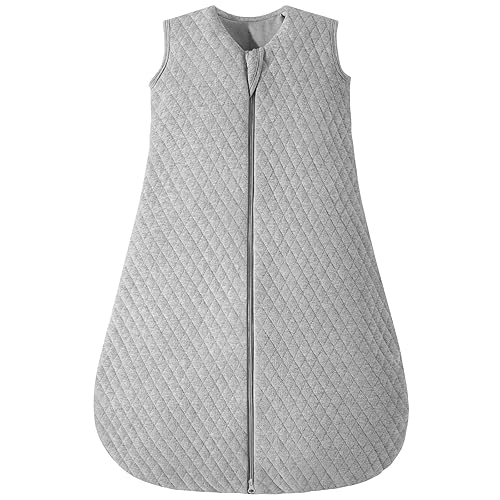
A sleep sack wearable blanket can replace loose bedding and reduce the risk of a child climbing out or pulling blankets over their face. Choose one sized for your toddler’s height and check the manufacturer’s age and size guidance.
Common Mistakes
- Changing too many things at once. Adjust one variable at a time so you know what is working.
- Giving up after three nights. Most routines need at least two weeks to take hold.
- Using sleep aids as a substitute for a routine. Aids support a good plan; they do not replace one.
- Letting naps run late. An afternoon nap that ends after 3:00 p.m. often pushes bedtime into a struggle.
- Reaching for medicine. Do not give sedatives or melatonin without your doctor’s guidance.
- Making bedtime a negotiation. Offer simple choices, such as which pajamas, then keep the plan steady.
FAQ
What is the safest toddler sleep aid for a 2 year old?
A consistent bedtime routine combined with a white noise machine at a low volume and a dim nightlight is generally considered the safest starting point. A soft, age-appropriate lovey can also help with separation.
Can I give my 2 year old melatonin to help them sleep?
Talk with your pediatrician before giving melatonin or any sleep medicine to a toddler. Dosing is not well established for this age, and supplements are not regulated the same way as prescription drugs.
How long does it take for a sleep routine to work?
Many families see improvement within two to three weeks of keeping the routine consistent. Some nights may get worse before they get better, especially after a change.
Is a weighted blanket safe for a 2 year old?
Weighted blankets are generally not recommended for young children because of suffocation and entrapment concerns. Check with your pediatrician before considering one.
How much sleep does a 2 year old need?
Most two-year-olds need roughly 11 to 14 hours in a 24-hour period, including naps. Individual needs vary, so watch for daytime fussiness or overtiredness as clues.
Should I use a sleep sack at age 2?
A wearable sleep sack can be a good alternative to loose blankets. Choose the correct size and follow the manufacturer’s guidance on age and fit.
When should I see a doctor about my toddler’s sleep?
See your pediatrician if your child snores loudly, pauses in breathing, has night terrors that last a long time, seems unwell during the day, or if sleep problems persist despite a consistent routine.
Conclusion
A toddler sleep aid for a 2 year old works best as one piece of a steady bedtime plan. Start with a consistent routine, a set bedtime window, and a calm sleep environment, then add simple aids like white noise or a lovey. Avoid medications and weighted products unless your pediatrician approves them. Give changes about two weeks, and reach out to your doctor if problems continue.
Related reading
- 6 Best Books and Aids for Toddler Won't Sleep After Taking Away Pacifier (2026)
- Toddler Development 4 Years Old: What to Expect and How to Support It
Ready to choose one?
About Caleb Morgan
Caleb Morgan is part of our editorial team and reviews and edits our toddler development & behavior guides, checking product details against manufacturer specifications and owner feedback.