 By Caleb Morgan
Updated November 2026
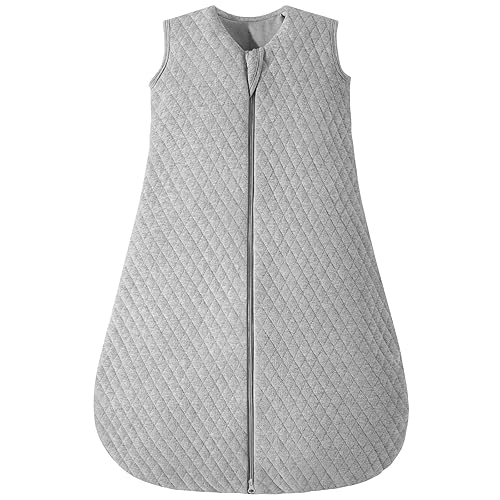
A toddler sleep sack can help stop a child from climbing out of the crib by keeping their legs and feet contained, making it harder to swing a leg over the rail. Used correctly, it also keeps your child warm and safe without loose blankets. This guide walks through how to choose the right size, introduce it gradually, and combine it with the other steps that make crib climbing less likely. It is not a guarantee, and it works best as one part of a plan rather than a standalone fix.
Why a Sleep Sack Can Help With Crib Climbing
Most toddlers start climbing once they can bring a leg up and over the top rail, which often happens between about 18 and 36 months. A sleep sack restricts leg movement in a way loose blankets do not. Because the garment is wearable, it cannot be kicked off the crib, and it removes the loose bedding that a toddler might use as a step. Many parents also find that a sleep sack reduces midnight wandering simply because the child feels secure and cannot get tangled.
Shopping for one? See our guide: 7 Best Size 2 Toddler Sleep Sack Options for Warm and Cool Nights (2026).
That said, a sleep sack does not stop a determined climber on its own. Its value comes from pairing it with a few structural and routine changes that reduce the reasons a toddler wants to get out in the first place.
Step 1: Check Your Crib Height and Your Child’s Readiness
Before you rely on a sleep sack, measure the distance from the top of the mattress to the top rail. Many crib manufacturers specify that once the top rail is roughly 26 inches or lower above the mattress, the crib should be converted to a toddler bed or the child should be moved, since that height is easier to clear. Lowering the mattress to its lowest setting is the first adjustment to make, and many parents do this as soon as they notice any climbing signs.
Look for these readiness signs:
- Your child can lift a leg over the rail or sit up and swing a leg out.
- They have tried to climb out during the day or at naps.
- They have pulled themselves to standing and are testing the top of the rail.
If you see these signs and the mattress is already at its lowest setting, a sleep sack becomes a useful addition rather than a replacement for a safer sleep setup.
Step 2: Choose the Right Sleep Sack Size and Style
Fit Matters More Than Features
A sleep sack that is too loose can ride up or bunch, and one that is too tight can restrict breathing or movement. Check the manufacturer’s size chart against your child’s current height and weight, not their age alone. Most toddler sizes are labeled by weight range and are designed to fit snugly around the chest and arms, with room for the legs to move at the hips.
Look for Leg Openings That Limit Stepping
Styles with fitted leg panels or feet can make it harder for a toddler to get a leg over the rail than wide, open-bottomed designs. Footed sleep sacks are often the most effective for climbing prevention because the feet give a secure hold on the leg and make it harder to bend the knee high enough to climb. Wearable blankets with a zipper that runs the full length are easier to put on and off, but make sure the zipper is covered or has a guard so it cannot be pulled down.
Match the Weight to Your Room
Thicker sleep sacks suit cold rooms, and lighter cotton or muslin options work better for warm nights. Overheating is a real concern, so use the room temperature and your child’s clothing as your guide. A simple rule many pediatric resources share is to dress the child in one layer more than an adult would wear to be comfortable.
Step 3: Introduce the Sleep Sack Gradually
Toddlers notice changes, and a sudden new garment at bedtime can cause resistance or a stalling routine. Introduce the sleep sack during the day first. Let your child wear it for short periods while playing, then add it to naptime, and finally to bedtime. Pair the introduction with a consistent phrase such as “sleep sack time,” and let your child help choose or zip it.
Keep the rest of the routine the same. A bath, book, and lullaby before the sleep sack goes on gives the child a predictable sequence, which makes it easier to accept the change.
Step 4: Make the Crib Less Appealing to Climb
A sleep sack reduces risk, but making the environment less inviting helps even more. Remove stuffed animals, bumpers, and other items that could serve as a step. Keep the crib clear of furniture close enough to be used as a launch point. Move a nightlight away from the crib so the room is dim but not dark, which lets your child see their surroundings without making the crib feel like a place to explore.
Some parents also keep the room quiet and the bedtime calm, since an overstimulated toddler is more likely to test limits. For more on settling a child who resists bed, see Toddler Won't Sleep in Crib: 7 Steps That Actually Help Tonight.
Step 5: Use a Consistent Response When You Find Them Out of Bed
When your toddler does climb out, respond calmly and consistently. Use the same short phrase each time, return them to bed without lengthy conversation, and avoid rewarding the behavior with attention or play. Some parents use a gate across the bedroom doorway for safety when the child is up, while others prefer a door that stays closed. Whatever you choose, apply it the same way every night.
Consistency matters more than any single method. A toddler who gets a different response each night will keep testing the rule.
Step 6: Build a Transition Plan If Climbing Continues
If your toddler keeps climbing despite a sleep sack and a lowered mattress, it may be time to move to a toddler bed. A toddler bed sits at floor level, which removes the fall distance and many of the reasons for climbing. Many families make this move between about 2 and 3 years old, but readiness depends on the child. Use a bed rail or a sturdy floor-level bed with guardrails if needed, and childproof the room so the child can safely get up and return to bed.
Step 7: Track Progress and Adjust
Keep a simple log for two weeks: note the night, whether the child climbed out, the time, and any changes you made. Patterns often appear quickly. For example, you may notice climbing happens after a nap that ran late, or after a day with a schedule change. Adjust the nap timing, bedtime, or room setup based on what the log shows rather than guessing.
Quick Checklist Before Bedtime
- Confirm the mattress is at its lowest setting.
- Remove bumpers, pillows, stuffed animals, and loose blankets from the crib.
- Check that the sleep sack fits the child’s current size and the room temperature.
- Make sure the zipper is covered or guarded and the sack does not ride up.
- Keep furniture away from the crib so it cannot be used as a step.
- Follow the same bedtime routine every night.
Common Mistakes
- Relying on the sleep sack alone. It helps, but it does not replace lowering the mattress or moving to a toddler bed when needed.
- Choosing the wrong size. Loose sleep sacks can bunch, and tight ones can restrict breathing. Always check the size chart against current height and weight.
- Overdressing the child. Overheating raises risk. Match the sleep sack’s warmth to the room temperature.
- Changing responses each night. Inconsistent reactions teach the child that climbing might work.
- Using loose bedding as a fallback. Blankets and pillows in the crib create hazards and can serve as steps.
Tips for Success
- Let your child pick between two sleep sacks to give them some control.
- Keep the sleep sack in the same spot each night so the routine feels familiar.
- If your child is sick or teething, expect more wakeups and respond with comfort rather than correction.
- Talk to your pediatrician if climbing is paired with breathing concerns, unusual sleepiness, or a sudden change in behavior.
Recommended gear
Several types of sleep sacks are commonly recommended for toddlers who climb. Choose one that fits your child’s size and your room’s temperature.
- Halo SleepSack Wearable Blanket: A widely available wearable blanket with a fitted design that suits toddlers who need a snug, secure fit. View on Amazon
- Woolino Merino Wool Sleep Sack: A lightweight option for temperature regulation, which can be useful for children who run warm. View on Amazon
- Aden + Anais Muslin Sleep Sack: A breathable cotton muslin option for warm nights and lighter layering. View on Amazon
For more options by season and style, see 7 Best Warm Toddler Sleep Sacks for Cold Nights (2026) and 3 Best Toddler Muslin Sleep Sacks for Warm and Cool Nights (2026).
FAQ
Will a sleep sack stop my toddler from climbing out of the crib?
It can make climbing harder, but it does not guarantee it will stop. Pair it with a lowered mattress, a clear crib, and a consistent bedtime routine for the best results.
At what age should I use a sleep sack for climbing?
Many parents start when the child shows signs of climbing, which often happens between about 18 and 36 months. Use the child’s readiness and crib height as the deciding factors, not age alone.
Is a footed sleep sack better than one without feet?
Footed styles can be more effective at limiting leg movement, which makes it harder to climb. Choose the style that fits your child comfortably and your room’s temperature.
How do I know if the sleep sack is too warm?
Check the back of your child’s neck or chest. If it feels sweaty or hot, the sack or room is too warm. Use a lighter layer or adjust the room temperature.
Should I move my toddler to a toddler bed if they keep climbing?
If climbing continues after you have lowered the mattress and used a sleep sack, a toddler bed may be the safer next step. Make sure the room is childproofed before the move.
What if my toddler climbs out and gets hurt?
Check the child for injury, comfort them, and contact your pediatrician if you have concerns about a fall or head injury. Review the crib height and room setup to prevent a repeat.
Can a sleep sack cause problems if my child climbs out wearing it?
A sleep sack that is too loose or has a long, unguarded zipper could create a hazard. Choose a well-fitting style and check it regularly for wear, and consult your pediatrician or the manufacturer’s guidance if you have specific concerns.
Conclusion
A toddler sleep sack can make crib climbing harder by limiting leg movement and removing loose bedding that could serve as a step. Its effect is strongest when you also lower the mattress, clear the crib, and keep the bedtime routine consistent. If climbing continues, a toddler bed with a childproofed room may be the next step. Consult your pediatrician with any concerns about your child’s safety or sleep.
Related reading
- Merino Wool Sleep Sack Toddler: How to Choose and Use One (Step-by-Step)
- Halo Toddler Sleep Sack Fleece: How to Choose and Use One Safely (2026)
- 7 Best Tall Toddler Sleep Sacks for Growing Kids (2026)
- 7 Best Size 4 Sleep Sack Toddler Picks for Warm and Cool Rooms (2026)
Ready to choose one?
About Caleb Morgan
Caleb Morgan is part of our editorial team and reviews and edits our toddler development & behavior guides, checking product details against manufacturer specifications and owner feedback.