 By Caleb Morgan
Updated November 2026
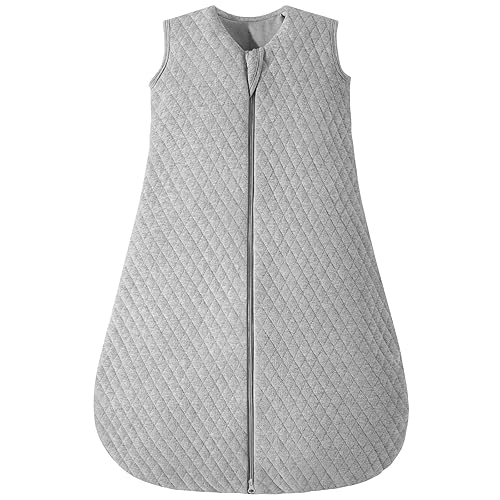
A merino toddler sleep sack is a wearable blanket made from merino wool, a fiber that regulates temperature and wicks moisture better than most cotton or synthetic fabrics. In this guide, you will learn how to pick the right weight and size, how to match the sack to your room temperature, how to use it safely for a toddler aged 1 to 4, and which mistakes to avoid. By the end, you should be able to buy with confidence and get your child settled into a warmer or cooler sleep setup without guesswork.
Why Merino Works for Toddler Sleep
Toddlers run warm and sweat during sleep, and they often kick off blankets, which leaves them chilled at 3 a.m. Merino wool helps with both problems. The fibers absorb moisture vapor before it feels damp against the skin, and they release it into the air as the room cools. That means a child stays more comfortable across a wider range of temperatures than with a single-layer cotton sack.
Shopping for one? See our guide: 7 Best Size 2 Toddler Sleep Sack Options for Warm and Cool Nights (2026).
Merino is also naturally breathable. Owners often report that a merino sack feels less stuffy than fleece, especially in rooms that run above about 70°F (21°C). Fleece traps heat more efficiently, which can be an advantage in a cold house but a drawback in a warm one. If your child tends to overheat, merino is usually the more forgiving choice.
A few caveats matter. Merino is not fireproof, and it is not a substitute for a flame-resistant garment if your local rules require one. Some children with wool sensitivities find even fine merino itchy, though many toddlers with mild sensitivities tolerate it well. Always check the label for fiber content, and look for “superfine” or “extra fine” merino if your child has sensitive skin.
Step 1: Choose the Right Fabric Weight
Fabric weight, usually listed in grams per square meter (gsm), tells you how warm the sack will feel. Most toddler merino sleep sacks fall somewhere between about 150 gsm and 300 gsm. Lighter weights suit warm nights and summer, while heavier weights suit cold rooms or winter. Manufacturers specify these ranges on product pages, so compare the number before you compare anything else.
Use this rough guide as a starting point:
| Room temperature | Suggested merino weight | Typical use |
|---|---|---|
| Above 72°F (22°C) | Lightweight, roughly 150 gsm or less | Summer nights, warm climates |
| 66°F to 72°F (19°C to 22°C) | Midweight, roughly 180 to 220 gsm | Most year-round homes |
| Below 66°F (19°C) | Heavyweight, roughly 240 gsm or more | Winter nights, cold bedrooms |
Check the room temperature with a simple bedroom thermometer at bedtime, not during the day. Rooms can drop several degrees overnight, so aim for a sack that keeps your child comfortable at the coolest point of the night.
Step 2: Get the Size and Fit Right
Sleep sacks are sized by age and often by weight or height. Toddler sizes commonly run from 12 to 18 months, 18 to 24 months, 2T, 3T, and 4T, but brands differ. Use the manufacturer’s size chart, not the age on the package, and measure your child’s height and weight before ordering.
Measuring Your Toddler
- Stand your child against a wall with heels, back, and head touching it, and mark the top of the head.
- Measure from the floor to the mark in inches or centimeters.
- Weigh your child on a bathroom scale while holding them, then subtract your own weight.
- Compare both numbers to the brand’s chart. If the numbers fall between sizes, choose the larger one for a few months of growth, but avoid anything so big that the armholes gap or the bottom hangs excessively.
Checking the Fit
A well-fitted sack should sit snugly at the shoulders without pulling, leave room for your child to lift their arms, and reach the ankles without dragging. Look for a neck opening that does not gape, and a zipper that runs smoothly. If you can slide more than two fingers under the neckline at the collarbone, the sack is probably too loose.
Step 3: Decide on Sleeves and Feet
Sleeved and sleeveless versions both exist. Sleeves add warmth and suit cooler rooms or children who tend to wake with cold arms. Sleeveless designs help children who overheat or who dislike anything on their arms. Feet are a separate choice. Footed sacks keep feet warm but can make a child feel more restricted when they need to climb out of bed or use the potty at night. Some families prefer footless sacks paired with warm socks for flexibility.
Step 4: Use It Safely
Safe sleep guidance matters more than any fabric feature. Follow these habits every night:
- Dress your child in one layer under the sack for most temperatures. Adding pajamas underneath is usually enough.
- Keep the room cool enough that your child does not feel sweaty when you check on them. A common target is around 68°F to 72°F (20°C to 22°C).
- Never use a blanket, pillow, or stuffed toy in the crib alongside the sack.
- Check that the zipper is closed and the fabric is not bunched near the face.
- Stop using any sleep sack that is torn, has loose threads, or has a damaged zipper.
Toddlers who can climb out of a crib or toddler bed may be able to get tangled in a sack that is too long. Once your child can pull up on the rails, keep the sack length comfortably above the ankles and check that the bottom does not catch on the bed frame.
Step 5: Introduce the Sack Gradually
Some toddlers resist anything new on their body at bedtime. Introduce the sack during daytime play for a few minutes at a time, letting your child feel the fabric and zip and unzip it with you. Pair it with a familiar routine, such as a book and a song, so the sack becomes part of the sequence rather than a surprise. Most children adjust within a week or two, though some need longer.
Step 6: Adjust for Season and Growth
Plan to change weights at least twice a year, and check the size every few months. Toddlers grow quickly, and a sack that fit in September may be too short by February. Keep a note of your child’s current size and the room temperature range so you can make quick decisions when the weather shifts. If your home is especially drafty or heated unevenly, a thermometer placed at child height will give you more accurate readings than one on the ceiling.
Common Mistakes to Avoid
- Layering too much. A merino sack already adds warmth. Stacking fleece pajamas, a sweater, and the sack can lead to overheating.
- Buying a size too big for the long term. An oversized sack can slip up over the face or get caught in a crib slat. Size up modestly, not dramatically.
- Ignoring the room temperature. Choosing the sack by season alone misses overnight drops or heated rooms.
- Skipping the wash instructions. Many merino garments shrink or felt in hot water. Wash on a gentle or wool cycle in cool water and lay flat to dry.
- Switching abruptly. A sudden change at bedtime can trigger protest. Build familiarity first.
Tips for Better Nights
- Keep two sacks in rotation so one can be washed while the other is in use.
- Check the sack’s temperature by touching your child’s chest or back, not their hands or feet, which often feel cool even when the body is warm.
- If your child sleeps in a toddler bed, make sure the sack does not hang over the edge where it could catch.
- Keep a simple sleep log for a week after switching weights to see whether wakings change.
If your child wakes frequently or struggles to settle, the sack is only one factor. You can read more about related sleep challenges in Toddler Won't Sleep at Night: A Step-by-Step Guide for Parents and Toddler Won't Sleep Through the Night Anymore: 7 Steps to Fix It (2026).
Recommended Gear
- Merino wool toddler sleep sack in a midweight fabric. A versatile option for most year-round homes, and the mid-range weight suits rooms that sit between about 66°F and 72°F. View on Amazon
- Bedroom thermometer with a digital display. Helps you check the overnight temperature at child height so you can choose the right weight. View on Amazon
- Mesh laundry bag for wool garments. Protects delicate knits during washing and reduces the risk of snags and pilling. View on Amazon
FAQ
Is merino wool safe for toddlers to sleep in?
Merino sleep sacks are widely used for toddlers, and the fabric itself is soft and breathable. Use the sack as a wearable blanket with a standard safe-sleep setup: a firm mattress, a clear crib, and no loose bedding. If your child has a wool allergy or sensitive skin, consult your pediatrician before use.
What gsm should I choose for a merino sleep sack?
Lighter weights, around 150 gsm, suit warm rooms. Midweight, around 180 to 220 gsm, works for most homes. Heavier weights, around 240 gsm or more, suit cold bedrooms. Match the weight to the coolest point of the night rather than the daytime temperature.
Can my toddler wear pajamas under a merino sleep sack?
Yes, a single pajama layer is usually enough, especially in a cool room. Avoid stacking thick layers, since merino already provides warmth, and check your child’s chest for signs of overheating such as sweating or flushed skin.
How do I wash a merino toddler sleep sack?
Follow the care label. Most merino garments do best on a gentle or wool cycle in cool water, with a wool-safe detergent, and should be laid flat to dry. Hot water and high heat can cause shrinkage and felting.
How often should I change sizes?
Check the fit every two to three months, since toddlers grow quickly. Move up a size when the sack reaches the ankles unevenly, the shoulders pull, or the arms no longer lift freely.
Are sleeveless merino sacks better for warm nights?
Often, yes. A sleeveless design removes a layer of warmth and can help children who overheat or dislike sleeves. Pair it with a lightweight pajama top if your child’s arms tend to feel cool.
What if my toddler dislikes the sleep sack?
Introduce it during daytime play first, let your child touch and zip it, and keep bedtime routines consistent. If resistance persists beyond a couple of weeks, check that the fit is comfortable and the fabric is not itchy. Talk with your pediatrician if sleep problems continue.
Does a merino sleep sack replace a blanket in the crib?
Yes. For safe sleep, a wearable sack is used instead of loose blankets, so keep the crib free of additional bedding unless your pediatrician advises otherwise.
Conclusion
A merino toddler sleep sack works best when you match the fabric weight to your room temperature, choose a size from the manufacturer’s chart, and layer lightly underneath. Introduce it gradually, check the fit as your child grows, and keep the crib free of loose bedding. With those steps in place, most families find bedtime calmer and nights more comfortable for everyone.
Related reading
- Merino Wool Sleep Sack Toddler: How to Choose and Use One (Step-by-Step)
- Halo Toddler Sleep Sack Fleece: How to Choose and Use One Safely (2026)
Ready to choose one?
About Caleb Morgan
Caleb Morgan is part of our editorial team and reviews and edits our toddler development & behavior guides, checking product details against manufacturer specifications and owner feedback.