 By Miles Sinclair
Updated November 2026
A waterproof mattress protector for potty training is one of the simplest ways to handle nighttime and nap-time accidents without stress. This guide explains how to choose one, set it up correctly, and combine it with habits that make bedwetting and daytime accidents easier to manage. Most parents find that a good protector turns a wet bed into a five-minute cleanup instead of a full stripped-bed scramble.
Why a Mattress Protector Matters During Potty Training
Accidents are a normal part of learning to use the toilet, and they often continue at night long after daytime control is established. Many toddlers do not develop reliable nighttime dryness until age four or later, and some take longer. A protector keeps urine from soaking through to the mattress, which protects the foam or springs, prevents odor buildup, and lets you change bedding quickly without disturbing your child more than necessary. For a broader look at readiness and timing, see When to Start with Potty Training: Signs Your Toddler Is Ready (2026).
Shopping for one? See our guide: Undies for Potty Training: 7 Best Picks for Toddlers (2026).
How to Choose and Set Up a Waterproof Mattress Protector
Look for a protector labeled as fully waterproof with a waterproof backing and a soft, breathable top layer. Quiet, non-crinkle fabric helps children sleep, and a fitted style with deep sides stays in place better than a flat pad. Measure your mattress depth before buying, since many protectors are rated for a specific thickness. When you set it up, follow these steps:
- Strip the bed and wipe the mattress surface with a dry cloth.
- Stretch the fitted protector over all four corners and smooth out any wrinkles.
- Add a flat sheet or fitted sheet on top so your child is not sleeping directly on the vinyl or membrane.
- Test the fit by pulling gently at the corners to confirm it stays put.
- Keep a second protector and set of sheets ready so you can swap immediately after an accident.
Building a Routine Around the Protector
A protector handles the mess, but it works best alongside a few habits. Limit fluids for about an hour before bed, and have your child use the toilet right before lights out. Some families use a simple nighttime routine chart or a small reward for dry mornings; the approach in Rewards for Potty Training: A Step-by-Step Guide for Toddlers can be adapted for this. Keep the bathroom path lit with a nightlight so your child can get there without fully waking.
Avoid making accidents feel like a punishment. Calm, matter-of-fact cleanup teaches your child that wet nights are a normal problem to solve, not a failure. If the bed is wet, change the sheets together and let your child help put the clean ones on when it feels appropriate.
Caring for Your Protector
Wash the protector according to the manufacturer’s label, usually in warm water with a mild detergent and no fabric softener, since softener can reduce waterproof performance over time. Skip bleach and high-heat drying unless the label allows it. Inspect the protector regularly for tears or worn spots near the corners, and replace it when the waterproof layer begins to leak. A common issue is leaking at the seams or edges rather than the middle, which often signals the protector is too small for the mattress.
Common Mistakes to Avoid
- Buying a protector that is too shallow for the mattress, causing it to slide off during sleep.
- Using fabric softener, which can break down the waterproof coating.
- Skipping a top sheet, which can make sleep uncomfortable and cause overheating.
- Assuming the protector solves the problem; it manages accidents but does not teach dryness.
- Reacting strongly to wet beds, which can increase anxiety around sleep and bathroom use.
Recommended Gear
- Waterproof fitted mattress protector: A deep-pocket fitted style stays secure during restless sleep and is the most practical choice for toddler beds. View on Amazon
- Backup protector set: Owning two lets you swap immediately after an accident so your child can return to bed quickly. View on Amazon
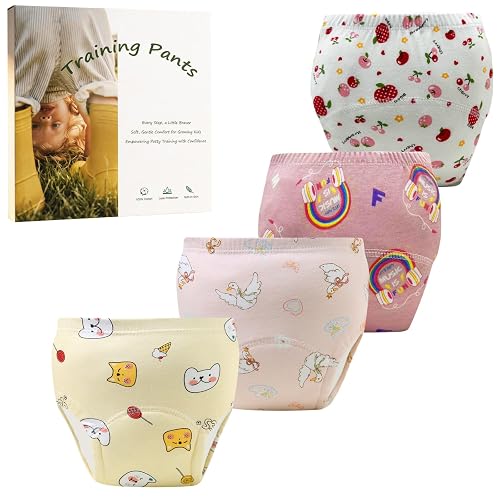
- Bed-wetting underwear for nights: Overnight training pants add a second layer of protection and can help children feel more confident about staying dry. View on Amazon
FAQ
Do I still need a protector if my child is wearing training pants at night?
Yes, in most cases. Training pants can leak or be overwhelmed, and a protector gives the mattress a reliable second barrier.
How many protectors should I buy?
Two is a practical minimum so one can be in the wash while the other is in use. Families with frequent nighttime accidents often keep three.
When should I talk to a doctor about nighttime wetting?
If your child is past age five and still wets the bed most nights, or if wetting starts suddenly after a period of dryness, consult your pediatrician to rule out medical causes.
Conclusion
A waterproof mattress protector for potty training protects your mattress and makes accidents far easier to clean up. Choose a deep-fitted, waterproof style, keep a backup on hand, and wash it gently to preserve its lining. Paired with a calm bedtime routine and patience, it gives your child room to learn at their own pace.
Related reading
- Why Does My Carry Potty Training Underwear Keep Leaking? 6 Causes and Fixes
- When to Begin Potty Training: Signs Your Toddler Is Ready (2026)
Ready to choose one?
About Miles Sinclair
Miles Sinclair is part of our editorial team and reviews and edits our toddler development & behavior guides, checking product details against manufacturer specifications and owner feedback.