By Caleb Morgan
Updated November 2026
Parents searching for toddler books about sleep usually want one of three things: a story that makes bedtime feel calmer, a book that explains what to expect when a child has to stay in bed or sleep independently, or a gentle read-aloud that fits into a nightly routine without turning into a battle. The seven books below were chosen using a research-based method: we looked at the book’s stated age range and format, the clarity and tone of its bedtime message, the reputation of the publisher and author, and patterns in what reviewers and buyers commonly say about how the book works at home. We did not test these books with children, and none of the notes below reflect personal use.
Our top picks at a glance
- 1
 TOP CHOICEBest overallSleep Like a Tiger: A Soothing Bedtime Story About Falling Asleep for Children (Ages 4–8)View on Amazon
- 2
 TOP CHOICEBest for a playful bedtime readSleepy SheepyView on Amazon
- 3
 TOP CHOICEBest for staying in bedBiscuit Learns to Stay in Bed: A Gentle Bedtime Story to Help Little OView on Amazon
- 4
 Best for sleeping aloneBrave Little Bear Sleeps Alone: Learning to Sleep Independently with Love and CourageView on Amazon
- 5
 Best classic rhyming pickDr Seuss's Sleep BookView on Amazon
- 6
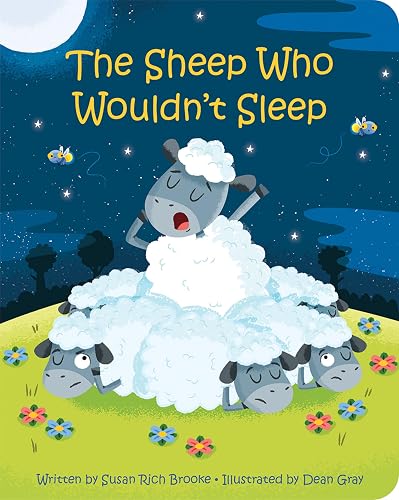 Best for silly bedtime humorThe Sheep Who Wouldn't SleepView on Amazon
- 7
 Best interactive pickSleep Tight with The Very Hungry Caterpillar: A Lift-the-Flap Book (ThView on Amazon
Our Top Picks
Quick Comparison
| Product | Best for | Key feature |
|---|---|---|
| Sleep Like a Tiger | Overall bedtime calm-down | Slow, soothing narrative with a clear wind-down arc |
| Sleepy Sheepy | Playful bedtime read | Simple, repetitive text that invites participation |
| Biscuit Learns to Stay in Bed | Staying in bed | Story focused on the pup-style bedtime routine |
| Brave Little Bear Sleeps Alone | Sleeping independently | Gentle, reassuring message about solo sleep |
| Dr Seuss’s Sleep Book | Classic rhyming read-aloud | Familiar rhythm and playful illustrations |
| The Sheep Who Wouldn’t Sleep | Silly bedtime humor | Counting-and-drifting structure with comic tension |
| Sleep Tight with The Very Hungry Caterpillar | Interactive lift-the-flap play | Lift-the-flap pages that keep toddlers engaged |
Sleep Like a Tiger: A Soothing Bedtime Story About Falling Asleep for Children (Ages 4–8)
Sleep Like a Tiger: A Soothing Bedtime Story About Falling Asleep for Children (Ages 4–8) (Caldecott Medal – Honors Winning Title(s))
Best for: Overall bedtime calm-down
This is a strong pick for parents who want a slow, quiet story to end the day. The age range printed on the listing is 4–8, so it works best as an older-toddler or preschool read, and parents of younger toddlers may need to simplify the text or read selectively.
Key specs
- Format: picture book
- Stated age range: 4–8 years
- Recognized with a Caldecott Medal Honor, per the listing title
Pros
- Slow, rhythmic pacing suits a wind-down routine
- Strong illustrations support the calm mood
- Clear arc from restlessness to sleep
Cons
- Stated age range starts above most toddlers
- Story length may be long for very short attention spans
Bottom line: Best for families with older toddlers who want a reliable, calming bedtime book with an established reputation.
Sleepy Sheepy
Sleepy Sheepy
Best for: Playful bedtime read
Sleepy Sheepy suits toddlers who respond to repetition and animal characters. Its simple, rhythmic text makes it easy for parents to read in a sing-song voice, which many families find helps the transition to bed.
Key specs
- Format: picture book
- Theme: animal bedtime
Pros
- Short text that is easy to read every night
- Repetitive phrasing invites toddler participation
- Gentle, non-threatening tone
Cons
- Plot is light, so it may not hold older toddlers’ interest long-term
- Works best as a supplement to a routine rather than a standalone solution
Bottom line: A good choice for younger toddlers who need a short, playful book as part of a consistent bedtime ritual.
Biscuit Learns to Stay in Bed: A Gentle Bedtime Story to Help Little Ones Stay in Bed, Calm Down, and Fall Asleep Peacefully
Biscuit Learns to Stay in Bed: A Gentle Bedtime Story to Help Little Ones Stay in Bed, Calm Down, and Fall Asleep Peacefully
Best for: Staying in bed
This book is aimed directly at the common toddler problem of getting out of bed repeatedly. Parents dealing with bedroom wandering or frequent requests to leave the room may find its gentle framing useful for talking about expectations.
Key specs
- Format: bedtime story picture book
- Stated focus: staying in bed and calming down
Pros
- Title and description address a specific, common bedtime behavior
- Gentle tone avoids shaming the child
- Good conversation starter about bedtime rules
Cons
- Newer listing, so long-term owner feedback is limited
- Reading alone rarely changes behavior without consistent limits at home
Bottom line: Best for parents whose toddler keeps leaving bed and who want a book that frames staying put as a normal, achievable goal.
Brave Little Bear Sleeps Alone: Learning to Sleep Independently with Love and Courage
Brave Little Bear Sleeps Alone: Learning to Sleep Independently with Love and Courage
Best for: Sleeping independently
For families moving a toddler from a shared room or parent’s bed to their own sleeping space, this book offers a reassuring story about courage and independence. The message is warm rather than instructional, which many parents prefer for this transition.
Key specs
- Format: picture book
- Stated focus: independent sleep
Pros
- Directly addresses the fear and emotion of sleeping alone
- Warm, encouraging tone
- Works well alongside a bedroom transition plan
Cons
- Newer listing, with limited owner feedback to draw on
- Does not replace a step-by-step plan for the transition itself
Bottom line: Best for toddlers preparing to sleep in their own room or bed for the first time.
Dr Seuss’s Sleep Book
Dr Seuss's Sleep Book
Best for: Classic rhyming read-aloud
Dr Seuss’s Sleep Book is a long-standing favorite with parents who enjoy a rhythmic read-aloud. Its playful rhymes and creatures make it fun to read, and it is often chosen for its familiar, reassuring feel.
Key specs
- Format: rhyming picture book
- Author: Dr. Seuss
Pros
- Well-known author with broad family recognition
- Strong rhythm makes it fun to read aloud
- Playful imagery holds young attention
Cons
- Not written specifically as a sleep-training tool
- Longer text can be tiring to read at the end of a long day
Bottom line: A solid choice for families who want a beloved, playful book that makes bedtime feel fun.
The Sheep Who Wouldn’t Sleep
The Sheep Who Wouldn't Sleep
Best for: Silly bedtime humor
This book uses comic tension to build toward drifting off. Toddlers who enjoy silliness and counting often respond well to the structure, and parents can use the humor to lighten a resistant bedtime.
Key specs
- Format: picture book
- Theme: humorous bedtime story
Pros
- Humor engages toddlers who resist calm-down books
- Counting-style structure is easy to follow
- Ends on a clear, sleepy note
Cons
- Excitement may energize some toddlers before bed
- Better suited to a playful bedtime than a very quiet one
Bottom line: Best for parents whose toddler responds to humor and who can keep the reading calm at the end.
Sleep Tight with The Very Hungry Caterpillar: A Lift-the-Flap Book (The World of Eric Carle)
Sleep Tight with The Very Hungry Caterpillar: A Lift-the-Flap Book (The World of Eric Carle)
Best for: Interactive lift-the-flap play
Lift-the-flap books keep hands busy and attention focused, which can help toddlers who struggle to sit still during reading. This title brings a familiar character into a bedtime setting.
Key specs
- Format: lift-the-flap board-style book
- Series: The World of Eric Carle
Pros
- Interactive flaps keep young toddlers engaged
- Recognizable character from a well-known series
- Bright, simple visuals
Cons
- Flaps can be torn by rough handling
- Interactive play may make some toddlers more active, not less
Bottom line: Best for toddlers who love to participate and parents who want a bedtime book that doubles as hands-on play.
Buying Guide
Match the Book to Your Toddler’s Actual Sleep Problem
Toddler sleep issues vary. Some children need help winding down, others need reassurance about being alone, and some keep leaving their beds. Choose a book whose focus matches the behavior you see most. If bedtime is mainly a struggle to settle, a calm-down story works better than a playful one. If your toddler is getting up repeatedly, a book about staying in bed addresses the problem directly.
Good picks for this: Biscuit Learns to Stay in Bed, Sleep Like a Tiger
Check the Age Range
Publishers often print an age range on the listing. A book aimed at ages 4–8 may have text or themes that feel too complex for a 2-year-old. Check the stated range, then preview the story length and vocabulary before you commit to nightly reading.
Good picks for this: Sleepy Sheepy, Sleep Like a Tiger
Consider Reading Length
A long book can be a lovely bedtime ritual, but many toddlers lose focus after a few minutes. Shorter texts are easier to read consistently, especially on nights when everyone is tired. Pick a book you can read in a few minutes without rushing.
Good picks for this: Sleepy Sheepy, The Sheep Who Wouldn’t Sleep
Think About Tone and Energy
Some books calm children, while others energize them. Humorous or highly interactive books can be wonderful earlier in the evening but may be too stimulating right before lights-out. Read the book yourself first and ask whether it leaves your child settled or wound up.
Good picks for this: Sleep Like a Tiger, Dr Seuss’s Sleep Book
Look for Interactive Features
Lift-the-flap and repetitive-phrase books can hold a toddler’s attention and invite participation. These features are useful for children who fidget during reading, though they may need supervision so pages and flaps stay intact.
Good picks for this: Sleep Tight with The Very Hungry Caterpillar, Sleepy Sheepy
Consider Durability
Toddlers handle books roughly. Board books and sturdy paperbacks hold up better than thin paper pages, and flaps or pop-ups need extra care. If your child tends to chew, tear, or throw books, prioritize a sturdier format and keep a few copies out of reach during play.
Good picks for this: Sleep Tight with The Very Hungry Caterpillar, Sleepy Sheepy
Plan How You Will Use the Book
A book works best as part of a predictable routine, not as a one-time fix. Read it at the same point each night, keep the lights low, and pair it with a consistent sequence like bath, pajamas, and tooth brushing. Books that focus on staying in bed or sleeping alone work best when the rules you read about are the same rules you follow.
Good picks for this: Brave Little Bear Sleeps Alone, Biscuit Learns to Stay in Bed
FAQ
Do sleep books actually help toddlers sleep?
Books can support a bedtime routine and make transitions feel more predictable, but they rarely fix sleep problems on their own. Results depend on consistency, a regular schedule, and how the rest of the evening is handled. If your toddler has ongoing sleep difficulties, talk with your pediatrician.
What age are sleep books for toddlers best for?
Many toddler sleep books are written for ages 1 to 4, though publishers may list different ranges. Younger toddlers usually respond to short, rhythmic books with simple pictures, while older toddlers can follow longer stories and more complex themes.
Should I read the same sleep book every night?
Repetition is helpful for toddlers. Reading the same book each night builds familiarity and signals that bedtime is starting. Many parents find that a predictable book becomes a comforting cue in the routine.
Can a book help with a toddler who won’t stay in bed?
A book about staying in bed can open a useful conversation about expectations, but you will still need clear, consistent limits at home. Choose a calm, positive approach and repeat the same response each time your toddler gets up.
When is the best time to read a sleep book?
Most families read during the last part of the bedtime routine, after bath and pajamas and before lights go out. Keep the reading calm, and avoid books that are very exciting if your child tends to get wound up.
What if my toddler is scared to sleep alone?
Books about sleeping independently can help name the feeling and show a child that bedtime alone is normal. Pair the book with a steady, reassuring goodnight routine. If fears are intense or sleep is seriously disrupted, consult your pediatrician or a child development professional.
Are interactive sleep books better than plain picture books?
Interactive books suit toddlers who need hands-on engagement, while plain picture books suit children who settle best with quiet reading. Neither type is better overall. Choose the one that leaves your child calm rather than excited.
Conclusion
For an overall calming read, Sleep Like a Tiger is a strong choice, especially for older toddlers. Parents of younger children who want a playful, repetitive book may prefer Sleepy Sheepy. If staying in bed is the main challenge, Biscuit Learns to Stay in Bed addresses that behavior directly, while Brave Little Bear Sleeps Alone suits families preparing for independent sleep. Dr Seuss’s Sleep Book and The Sheep Who Wouldn’t Sleep bring humor to bedtime, and Sleep Tight with The Very Hungry Caterpillar works well for toddlers who need interactive play. Match the book to the problem you are actually facing, and use it consistently.
If you are also looking for related guidance, you may find Toddler Naps Well But Doesn't Sleep at Night: 7 Best Books and Guides (2026) helpful for nighttime-specific challenges, or Gentle Sleep Training Toddler: 7 Best Books and Guides (2026) if you want a slower, step-by-step approach. For toddlers who are overtired at bedtime, Overtired Toddler Won't Go to Sleep: 7 Best Books and Guides (2026) covers the signs and what to adjust. Parents managing a new sibling may also benefit from 6 Best Books for New Baby Affecting Toddler Sleep (2026).
Sources
- Pediatric guidance on toddler sleep needs, routines, and when to seek help (aap.org)
- Recommended sleep ranges for young children and healthy sleep habits (cdc.gov)
- Research summaries on early childhood sleep and development (nih.gov)
Before you buy: helpful guides
About Caleb Morgan
Caleb Morgan is part of our editorial team and reviews and edits our toddler development & behavior guides, checking product details against manufacturer specifications and owner feedback.