By Caleb Morgan
Updated November 2026
A sleep sack to keep toddler in crib is a wearable blanket that replaces loose bedding and helps many toddlers stay under the covers instead of wandering, kicking blankets off, or climbing. In this guide, you will learn how to choose the right size, introduce the sack so your child accepts it, and set up the crib so the sack works as a safe sleep tool. You will also learn the warning signs that it is time to change your approach.
Why Sleep Sacks Help Toddlers Stay in the Crib
Many toddlers lose sleep because of loose bedding. A blanket that slides over the crib rail becomes a step, and a toddler who feels cold or tangled may stand up, cry, and try to get out. A sleep sack removes that problem. It stays on the body, leaves the hands and feet free, and gives the child a familiar cue that it is bedtime. Because it cannot be pulled over the rail or kicked into a pile, it also removes one of the most common reasons toddlers attempt a crib escape.
Shopping for one? See our guide: 7 Best Sleep Sack to Keep Toddler in Cribs for Warm and Cool Nights (2026).
A sleep sack is not a magic fix. It works best when it is part of a consistent routine and when the crib itself is safe and set up correctly. Think of it as one tool in a larger plan that includes a predictable bedtime, a calm room and a clear, boring response to nighttime wake-ups. For another angle, check out 7 Best Supplies for Toddler Activities to Keep Little Hands Busy (2026).
Step 1: Confirm the Crib and Your Toddler Are Ready
Before you buy or use a sleep sack for crib sleep, check that the crib is still safe for your child’s height and climbing ability. Toddlers who can get a leg over the rail or pull themselves up to it are at risk of falling, regardless of what they are wearing. Most manufacturers and safety guidelines recommend lowering the crib mattress to its lowest setting once a child can stand, and moving to a toddler bed once the child can climb out.
- Check that the top of the crib rail is at least 26 inches above the mattress when it is at its lowest position, as recommended in US federal crib standards.
- Make sure there are no gaps larger than 2 3/8 inches between slats, and no loose hardware.
- Remove bumpers, pillows, stuffed animals and loose blankets from the crib.
- Confirm the mattress fits snugly with no gap larger than two fingers between the mattress and the side of the crib.
If your child is already climbing out, read our guide on Toddler Sits Up in Crib and Won’t Sleep: 4 Best Safety Picks (2026) for options that address the climbing problem directly. If you are unsure whether the crib is still appropriate, consult your pediatrician or the crib manufacturer.
Step 2: Choose the Right Size and Material
Fit is the most important factor. A sleep sack that is too large can ride up around the neck or let the child slip out of the bottom, and one that is too small can be uncomfortable or restrict movement. Sleep sacks are usually sized by age or weight. Check the manufacturer’s chart and measure your child, especially if you are between sizes. Sizes labeled by age ranges such as 12–18 months, 2T or 3T are common, and many brands list chest measurements as well.
Material matters for comfort and temperature. Lightweight cotton or cotton blends suit warm rooms. Fleece and heavier knits are better for cold nights, though they can overheat a child in a warm room. Merino wool is often recommended for temperature regulation, and you can read more in Merino Toddler Sleep Sack: How to Choose and Use One (Step-by-Step). For a broader comparison, see 7 Best Warm Toddler Sleep Sacks for Cold Nights (2026).
Match the Sack to Room Temperature
Overheating is a safety concern, so use the room temperature as your starting point. The table below gives a general guide. Always check the label, since fabrics vary in warmth.
| Room temperature | Suggested weight | Check your child |
|---|---|---|
| Below about 68°F | Heavier knit, fleece or thicker wool | Feel the back of the neck; it should be warm, not sweaty |
| About 68–72°F | Medium-weight cotton or lightweight wool | Hands and feet may feel cool and that is normal |
| Above about 72°F | Lightweight cotton or muslin | Watch for flushed skin, damp hair or heavy breathing |
Step 3: Introduce the Sleep Sack Gradually
Toddlers often resist new things at bedtime, so introduce the sack during the day first. Let your child wear it while playing for 15 to 30 minutes so the feel becomes familiar. Put it on at naptime for a few days before using it for nighttime sleep. Keep the language simple: “This is your sleep sack. It’s time for sleep.” Consistency helps more than explanation.
- Show the sack and let your child touch and wear it during play.
- Use it for one or two naps while you stay nearby.
- Add it to the bedtime routine, right after pajamas and before the crib.
- Keep the same order every night so the sack becomes part of the cue for sleep.
Step 4: Build a Bedtime Routine Around the Sack
A sleep sack works best inside a predictable routine. A typical sequence might look like this: bath, pajamas, teeth brushing, a short book, the sleep sack, a brief goodnight, and then the crib. Keep the routine between 20 and 30 minutes so it stays calm and does not stretch into a long, stimulating session. Dim the lights, keep the room quiet, and avoid screens in the hour before bed.
For children who struggle to settle in the crib, our article Getting Toddler to Sleep in Crib: 7 Steps That Work Tonight covers additional routine changes that pair well with a sleep sack.
Step 5: Handle Night Wake-Ups Calmly
Toddlers wake at night, often several times. Your response matters more than the sack itself. When your child calls out, check on them briefly, keep the lights low, speak in a calm voice, and offer a short reassurance such as “It’s sleep time, I’m right here.” Avoid taking them out of the crib, turning on bright lights or offering a long chat. Over several nights, the shorter and more boring your response, the faster the wake-ups usually fade.
If your toddler wakes and tries to stand, lower your reassurance to a quick check and keep the room dark. Do not leave the sleep sack off to solve the problem, because the sack is what keeps the bedding away from the rail.
Common Mistakes to Avoid
- Choosing a size that is too big. A loose neck opening or a long bottom can let the child slip out.
- Overdressing the child. Layering pajamas under a heavy sack is a common cause of overheating. Use one light layer under the sack in warm rooms.
- Adding loose bedding. Once the sack is in use, blankets, pillows and bumpers should stay out of the crib.
- Switching too fast. Introducing the sack the same night you change bedtime, room and crib often confuses toddlers. Change one thing at a time.
- Ignoring the crib height. A sack will not prevent a fall over a high rail. Lower the mattress as soon as the child can stand.
- Reacting with intensity to wake-ups. Long, exciting responses tend to prolong night waking.
Tips for Success
- Buy two sacks of the same size so one can be washed while the other is in use.
- Check the zipper and seams weekly for loose threads that could catch on the crib.
- Use a room thermometer near the crib, not by the window or radiator.
- Keep a simple sleep log for two weeks to see patterns in wake-ups and temperature.
- Plan the transition away from the sack in advance so it does not become a surprise later. Our guide How to Transition Toddler Out of Sleep Sack: A Step-by-Step Guide explains how.
Recommended gear
Several types of product can support this approach. Choose based on your room temperature, your child’s size and how much you want to spend on laundry.
- Halo SleepSack Wearable Blanket, Fleece: A widely available fleece option that many parents use for cooler rooms, with a snug neck and a zip front that is easy to manage at night.
View on Amazon - Merino wool toddler sleep sack: Wool is often chosen for its temperature regulation across seasons, which can reduce the need to switch sizes or weights.
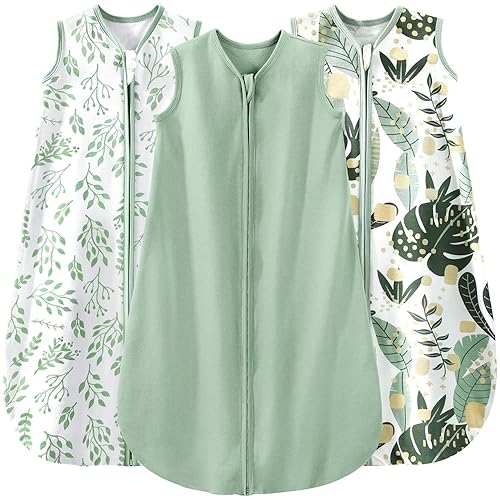
View on Amazon - Lightweight cotton sleep sack: A good match for warm rooms, and typically simple to wash and dry.
View on Amazon - Room thermometer: A simple digital thermometer lets you check the room temperature at crib height so you can match the sack to the conditions.
View on Amazon
For more options, see 7 Best Sleep Sack to Keep Toddler in Cribs for Warm and Cool Nights (2026) and Halo Toddler Sleep Sack Fleece: How to Choose and Use One Safely (2026).
FAQ
Can a sleep sack stop a toddler from climbing out of the crib?
A sleep sack can reduce climbing caused by loose blankets or cold feet, but it does not stop a child who can physically get a leg over the rail. If your toddler is climbing out, lower the mattress to its lowest setting and consider a toddler bed with a safety plan.
What age should a toddler start using a sleep sack?
Many families start once a baby is old enough to roll or once they are consistently using a crib with no loose bedding. Check the manufacturer’s age and weight guidance, and follow your pediatrician’s advice on safe sleep.
How warm should my toddler’s room be?
Many pediatric sources suggest a comfortable room temperature for sleep in the upper 60s Fahrenheit. Dress your child in one light layer under the sack and check the back of the neck to judge warmth.
Should my toddler wear pajamas under a sleep sack?
In warm rooms, lightweight pajamas or a single onesie are usually enough. In cold rooms, a fleece sack may be warm enough on its own. Avoid stacking multiple heavy layers, which can lead to overheating.
How do I know if the sleep sack fits correctly?
The sack should not ride up around the neck or let your child’s feet slip out of the bottom. The arm openings should fit without gaping, and the child should be able to move their legs. Check the chart by weight and height, and re-measure as your child grows.
What if my toddler won’t stay in the sack?
Try a different size or material, shorten the routine, and practice wearing the sack during the day. If the child keeps pulling it off, it may be too warm, too tight or uncomfortable at the neck or arms.
When should I stop using a sleep sack?
Most parents transition when the child begins to climb, has trouble with the sack, or outgrows the size. Our article When Should a Toddler Stop Using a Sleep Sack? 7 Best Picks for 2026 covers the signs to watch for.
Where can I get advice about my toddler’s sleep?
If sleep problems continue for several weeks, affect daytime behavior, or come with breathing concerns, talk to your pediatrician. They can rule out medical causes and suggest a plan tailored to your child.
Conclusion
A sleep sack to keep toddler in crib can remove the loose bedding that often leads to climbing and night waking, but it works best with a correct size, a comfortable room, a predictable routine and a calm response to wake-ups. Start by confirming the crib is safe, choose a sack matched to your room temperature, and introduce it gradually during the day. Adjust one thing at a time, and check in with your pediatrician if sleep problems persist.
Related reading
- Toddler Sleep Sack Prevent Climbing Out Crib: 7 Steps That Work
- Woolino Toddler Sleep Sack: How to Choose and Use One Safely (7 Steps)
- Woolino 4 Season Toddler Sleep Sack: How to Choose and Use It Safely (2026)
- When Should a Toddler Stop Using a Sleep Sack? 7 Best Picks for 2026
- Toddler Wont Sleep in Crib: A Practical Guide (2026)
- Toddler Won't Sleep in Crib: 7 Steps That Actually Help Tonight
- Toddler Sleep Sack Summer: 7 Steps for Cool, Safe Nights
- Toddler Sleep Sack Pattern: A Step-by-Step Guide to Choosing the Right Fit
Ready to choose one?
About Caleb Morgan
Caleb Morgan is part of our editorial team and reviews and edits our toddler development & behavior guides, checking product details against manufacturer specifications and owner feedback.