 By Miles Sinclair
Updated November 2026
When potty training isn’t working, the problem is usually the approach, the timing or the child’s readiness, not the child. This guide walks you through how to figure out which of these is getting in the way and what to change. Most families see progress once they pause, simplify the routine and adjust one or two things at a time.
First, Check Whether Your Toddler Is Ready
Readiness matters more than age. Many toddlers between about 18 and 30 months show clear signs they can start, but some need more time. If your child resists sitting on the potty, has no idea when they’re going, or wets right after using the potty, they may simply need a break. Review the When to Begin Potty Training: Signs Your Toddler Is Ready (2026) for a readiness checklist before you push harder.
Shopping for one? See our guide: Undies for Potty Training: 7 Best Picks for Toddlers (2026).
Fix the Routine and Pace
Consistency does more than pressure. Toddlers learn bladder timing through regular practice, so a schedule helps them connect the feeling of needing to go with the potty. A few adjustments often make a noticeable difference:
- Offer the potty every 45 to 60 minutes while awake, plus after meals, after naps and before bed.
- Keep sessions short, about two to five minutes, and stop if your child is upset.
- Use the same words every time, such as “pee in the potty,” so the cue becomes familiar.
- Let your child pull their pants up and down to practice the full process.
- Stop offering the potty if your child refuses for a full week, then restart with a fresh, relaxed approach.
If your child sits for a long time without results, adjust the length of each session rather than extending it. The guide on When Potty Training, How Long to Sit on Potty? A Practical Guide explains reasonable limits.
Change the Motivation and Tools
Some children respond well to visual progress. Others find a plain potty boring or scary. Try these changes:
- Give a small sticker for each success, and let your child place it on a chart. Our article on Potty Training with Stickers: A Step-by-Step Guide for Toddlers covers how to set this up.
- Use a timer or a small song to make sitting more predictable. See Potty Training with a Timer: A Step-by-Step Guide for Toddlers.
- Switch to real underwear for a few hours each day so the wet feeling is easier to notice.
Handle Accidents Without Pressure
Accidents are expected during training, and how you respond shapes your child’s willingness to try again. Keep your tone neutral, say something simple like “pee goes in the potty,” and help clean up without making it a big event. Scolding or shaming tends to increase holding and withdrawal. If your child is holding urine or stool for long periods, mention it to your pediatrician, since constipation can affect bladder control.
Common Mistakes to Avoid
- Starting too early, then stopping and restarting repeatedly.
- Using pressure, bribes or punishment as the main tool.
- Changing methods every few days, which confuses the child.
- Expecting nighttime dryness at the same time as daytime training.
- Ignoring a possible medical issue, such as constipation or a urinary tract infection.
Recommended Gear
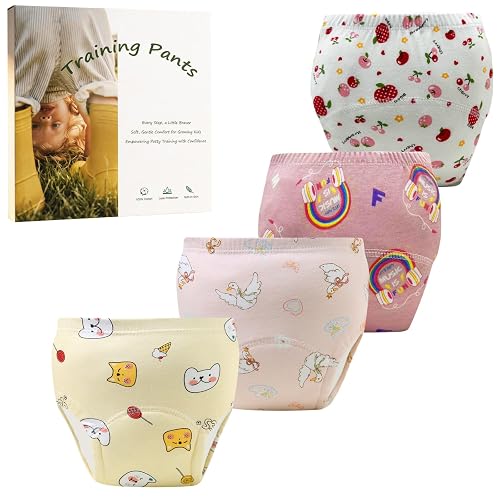
A potty seat that feels stable helps some toddlers relax, and a step stool lets them reach the toilet on their own. Look for a View on Amazon that matches your bathroom, and a View on Amazon so your child can climb on independently. Training pants can also help with the transition, such as View on Amazon.
FAQ
How long should I wait before trying again if potty training isn’t working?
Many families pause for one to four weeks, then restart with a simpler routine. Use the break to build interest, such as reading potty books or letting your child watch you use the toilet. If you want more background, see Visual Potty Training Aids: 5 Tools That Help Toddlers Learn (2026).
Is it normal for a toddler to stop using the potty after doing well?
Yes. Regression often happens during illness, a new sibling, moving or other stress. Keep offering the potty calmly and expect progress to resume once life settles.
When should I talk to a doctor about potty training problems?
Talk to your pediatrician if your child has ongoing constipation, pain when peeing or pooping, or no progress after several months. A professional can rule out medical causes and suggest next steps.
Conclusion
When potty training isn’t working, check readiness, tighten the routine and reduce pressure before changing everything. Make one or two adjustments at a time and give each approach a fair try. With steady, calm support, most toddlers get there.
Related reading
Ready to choose one?
About Miles Sinclair
Miles Sinclair is part of our editorial team and reviews and edits our toddler development & behavior guides, checking product details against manufacturer specifications and owner feedback.