 By Miles Sinclair
Updated November 2026
Parents searching for picture books about potty training usually want the same thing: a story their toddler will sit still for, one that makes the bathroom feel ordinary instead of scary, and a book that does not turn every reading into a lecture. This guide compares five picture books that fit those needs. The selection criteria were straightforward: the book’s age range, the length and reading level of the text, how well the illustrations carry the story for a child who cannot read yet, whether the book shows a realistic process rather than a magic fix, and how sturdy the format is for toddlers who like to chew, flip and carry books everywhere.
Our top picks at a glance
- 1
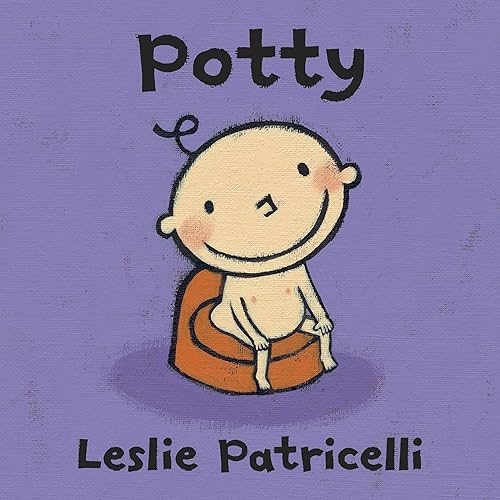 TOP CHOICEBest overallPotty: A Toilet Training Story of Bathroom IndependenceView on Amazon
- 2
 TOP CHOICEBest for silly, rhyming read-aloudsDino PottyView on Amazon
- 3
 TOP CHOICEBest for curious toddlersWhere Do You Poop?View on Amazon
- 4
 Best for toddlers who resist the pottyNope! Not PoopingView on Amazon
- 5
 Best for lift-the-flap engagementPeek-a-Poo! I Can Potty and So Can You!View on Amazon
Our Top Picks
Quick Comparison
| Product | Best for | Key feature |
|---|---|---|
| Potty: A Toilet Training Story of Bathroom Independence | Most toddlers starting out | Simple, calm story about doing it alone |
| Dino Potty | Rhyme lovers and read-aloud sessions | Playful rhyming text |
| Where Do You Poop? | Curious toddlers who ask questions | Covers how bodies and bathrooms work |
| Nope! Not Pooping | Toddlers who refuse the potty | Addresses resistance head-on |
| Peek-a-Poo! I Can Potty and So Can You! | Toddlers who love interactive books | Lift-the-flap format |
Potty: A Toilet Training Story of Bathroom Independence
Potty: (A Toilet Training Story of Bathroom Independence for Babies and Toddlers) (Leslie Patricelli Board Books)
Best for: Overall fit for most toddlers beginning toilet training
This is a good first book for families who want a calm, unhurried story. It follows a child through the steps of using the toilet independently, which matches the goal of building self-reliance rather than simply getting one successful sit.
Key specs
- Board book format, suited to toddlers who handle books roughly
- Part of the Leslie Patricelli Board Books series
- Short text with large, simple illustrations
Pros
- Focuses on independence, which encourages children to try on their own
- Short enough to read at bedtime or during a diaper change
- Durable board pages hold up to repeated reading
Cons
- Some parents want more detail on wiping and handwashing
- The story is gentle, so highly active toddlers may lose interest quickly
Bottom line: A strong default choice for parents who want one reliable book to start with.
Dino Potty
Dino Potty: Fun & Encouraging Potty Training Book for Toddlers Ages 2+ – Rhyming Children’s Book for Boys & Girls – Toddler Potty Book with Colorful Pictures – Perfect Toilet Training Gift
Best for: Rhyme lovers and read-aloud sessions
This book suits families who enjoy reading together with expression. The rhyming text is designed for performance, and the dinosaur theme gives toddlers a character they can connect with.
Key specs
- Written for children ages 2 and up, per the listing
- Rhyming text with colorful illustrations
Pros
- Rhythm makes it easy for toddlers to predict and join in
- Playful tone reduces anxiety about the potty
- Works well for both boys and girls
Cons
- Rhyming text can feel long for children who want very short books
- Dinosaur theme may not appeal to every child
Bottom line: Best for parents who like to read with voices and gestures, and for toddlers who enjoy repetition.
Where Do You Poop?
Where Do You Poop? A potty training board book
Best for: Curious toddlers who ask questions
Many toddlers become fascinated by bodily functions around this age. This book answers that curiosity directly, which can make the potty feel less mysterious and less like a secret.
Key specs
- Board book format
- Explains where bodily waste goes in simple terms
Pros
- Matches the “why” stage of toddler questioning
- Direct, factual language without shame
- Sturdy format for frequent rereading
Cons
- Less focused on the step-by-step routine of using the potty
- Some toddlers may find the topic amusing in a way that distracts from practice
Bottom line: A good complement to a routine-focused book, especially for children who ask a lot of questions.
Nope! Not Pooping
Nope! Not Pooping: A Potty Training Book for Kids Who Won't Poop on the Potty
Best for: Toddlers who refuse the potty
Power struggles are common in this stage. This book acknowledges that a child may not want to poop on the potty, and it presents that resistance as normal rather than as a problem to be argued away.
Key specs
- Written for kids who resist using the potty
- Picture book format for group or one-on-one reading
Pros
- Validates the child’s feelings, which can lower tension
- Useful for constipation-related holding, when paired with pediatric guidance
- Humor helps the message land without pressure
Cons
- Not ideal for children who are already cooperative
- Persistent withholding should be discussed with a pediatrician
Bottom line: Most useful for families dealing with refusal or stool-holding. Consult a pediatrician if constipation or pain is involved.
Peek-a-Poo! I Can Potty and So Can You!
Peek-a-Poo! I Can Potty and So Can You! (Potty Training Board Book)
Best for: Toddlers who love interactive books
Lift-the-flap books keep hands busy and attention focused. This title uses that format to make the potty routine feel like a game, which suits children who lose interest in static pages.
Key specs
- Potty training board book with interactive flaps
- Designed for toddlers who enjoy hands-on reading
Pros
- Flaps encourage participation and label recognition
- Short, playful text suits brief reading sessions
- Good for children who want to “do” rather than sit still
Cons
- Flaps can wear out with rough handling
- Less narrative depth than longer story books
Bottom line: A fun pick for toddlers who want interaction, with the understanding that flaps may need supervision.
Buying Guide
Match the book to your child’s age and attention span
Board books with short text tend to work best for children around 18 months to 2 years, while longer rhyming stories fit better for ages 2 to 4. A useful test is whether your child can stay with a book for the full read-aloud. If not, choose shorter text.
Good picks for this: Potty: A Toilet Training Story of Bathroom Independence, Peek-a-Poo! I Can Potty and So Can You!
Look for a realistic process, not a magic fix
Books that show a child succeeding instantly can set unrealistic expectations. Look for stories that show practice, accidents and retries as normal. This helps children feel less pressure when training stalls.
Good picks for this: Potty: A Toilet Training Story of Bathroom Independence, Nope! Not Pooping
Check the tone and reading style
Rhyming, playful text rewards parents who enjoy performing books. Factual, plain text suits parents who prefer straightforward explanations. Neither is better in general; the right fit depends on how you read.
Good picks for this: Dino Potty, Where Do You Poop?
Consider the format and durability
Board books hold up better with toddlers who chew and grab. Lift-the-flap designs add engagement but need more care. Check whether pages and flaps seem sturdy enough for your child’s handling style.
Good picks for this: Potty: A Toilet Training Story of Bathroom Independence, Peek-a-Poo! I Can Potty and So Can You! You may also like Potty Training Picture Books: 6 Best for Toddlers (2026).
Think about your child’s specific challenge
If your toddler is afraid of the toilet, is holding stool, or simply ignores the potty, choose a book that speaks to that struggle. A general book may be enough for an easy start, but targeted books help with resistance.
Good picks for this: Nope! Not Pooping, Where Do You Poop?
Use books alongside routine, not instead of it
A book is a teaching aid, not a complete plan. Reading before potty visits, rather than during accidents, helps link the story to the action. Pair reading with a consistent schedule and praise for effort.
Good picks for this: Potty: A Toilet Training Story of Bathroom Independence, Dino Potty
FAQ
What age are picture books about potty training best for?
Most of these books are written for toddlers roughly between 18 months and 4 years. Board books with simple text work best for younger toddlers, and longer stories suit children who can follow a plot and sit through several pages.
Do potty training books actually help?
Books can help children understand the steps, build familiarity with the bathroom and feel less anxious. They work best as one part of a consistent routine, not as a replacement for practice and patience.
How often should I read the book?
Reading once or twice a day, especially before potty times, is common. Many toddlers ask for favorites repeatedly, and that repetition is normal and useful.
My toddler is scared of the toilet. Which book should I choose?
Choose a gentle, calm story that shows the child feeling safe. Avoid books with dramatic or strong emotional beats. Reading together in the bathroom, with the child in control of the pace, can also help.
Should I be worried if my child refuses to poop on the potty?
Refusal is common and usually improves with time and a low-pressure approach. However, if your child is constipated, in pain, or holding stool for long periods, talk to your pediatrician, since this can cause health problems.
Can these books be used for children with developmental differences?
Visual, predictable books can support many children, but families of children with developmental differences often benefit from guidance from their child’s pediatrician, therapist or a specialist in toilet training.
Conclusion
For most families, Potty: A Toilet Training Story of Bathroom Independence is the most dependable starting point because of its calm pacing and focus on independence. Dino Potty suits parents who enjoy rhyming read-alouds, and Where Do You Poop? fits curious children who ask many questions. Nope! Not Pooping is the most targeted choice for toddlers who refuse the potty, while Peek-a-Poo! I Can Potty and So Can You! works well for children who want to interact with the book. Choose based on your child’s temperament, the challenge you are facing and how you like to read together.
Sources
- Guidance from the American Academy of Pediatrics on toilet training readiness and common challenges (healthychildren.org)
- Child development milestones and information on early childhood growth (cdc.gov)
- Research and resources on child development from the National Institute of Child Health and Human Development (nichd.nih.gov)
Related reading
- Book About Potty Training: 7 Picks and How to Use Them (2026)
- 6 Best Books About Potty Trainings: Picks for Toddlers (2026)
- When to Start Potty Training at Night: 6 Books and Tools Compared (2026)
- Potty Training in 3 Days Book: What to Expect and How to Use One
- Potty Training Picture Schedule: How to Make One That Works
- Potty Training Books for 3 Year Olds: 6 Best Picks (2026)
- Parenting Leader Potty Training: 6 Best Books for Toddlers (2026)
About Miles Sinclair
Miles Sinclair is part of our editorial team and reviews and edits our toddler development & behavior guides, checking product details against manufacturer specifications and owner feedback.


