 By Miles Sinclair
Updated November 2026
Choosing an infant potty training seat can feel harder than it should. Parents need a seat that stays put on the floor or the toilet, fits a small body safely, is easy to empty and clean, and won’t make a nervous toddler feel more unsteady. This guide covers five popular options, judged on stability, fit and safety features, build quality, cleaning ease and owner feedback patterns. Note that no product here was tested in a lab or used by our writers; the picks rely on manufacturer specifications, brand reputation and common owner feedback.
Our top picks at a glance
- 1
 TOP CHOICEBest overallMunchkin Sturdy Potty Training Seat, GreyView on Amazon
- 2
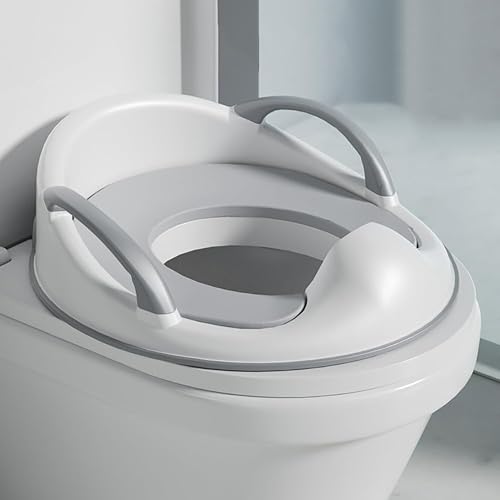 TOP CHOICEBest for toilet-seat attachmentPandaEar Baby Toddler Potty Training Toilet Seat for Boys and Girls with HandlesView on Amazon
- 3
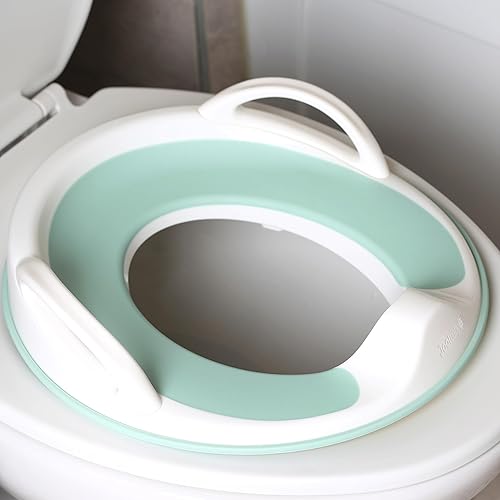 TOP CHOICEBest for extra grip and splash controlJool Baby Potty Training Seat with HandlesView on Amazon
- 4
 Best for a green, sturdy freestanding seatMunchkin Sturdy Toddler Toilet Seat for Potty Training, GreenView on Amazon
- 5
 Best budget pick with a backrestPotty Training Seat for Boys and Girls with Detachable Soft CushionView on Amazon
Our Top Picks
Quick Comparison
| Product | Best for | Key feature |
|---|---|---|
| Munchkin Sturdy Potty Training Seat, Grey | Parents who want a dependable all-round seat | Sturdy build with a wide, stable base |
| PandaEar Baby Toddler Potty Training Toilet Seat | Families who want a seat that sits on the regular toilet | Built-in handles and a non-slip rubber rim |
| Jool Baby Potty Training Seat with Handles | Toddlers who need extra grip and splash protection | Splash guard and slip-resistant bottom |
| Munchkin Sturdy Toddler Toilet Seat, Green | Parents who want a sturdy seat in a different color | Sturdy construction with a stable footprint |
| Potty Training Seat for Boys and Girls | Budget-minded parents who want a backrest | Detachable soft cushion and backrest |
Munchkin Sturdy Potty Training Seat, Grey
Munchkin® Sturdy™ Potty Training Seat, Grey
Best for: Best overall for parents who want a sturdy, dependable seat.
This is a good fit for families who want a straightforward, stable seat for their child’s first months of potty training. It is designed to be used either on its own or as a seat that a toddler can climb onto with a bit of support.
Key specs
- Sturdy construction designed to resist tipping during use
- Grey finish that blends into most bathrooms
- Removable bowl for emptying and cleaning
Pros
- Stable base that many owners describe as reassuring for nervous toddlers
- Simple design with few parts to clean
- Works well as a freestanding seat in a small bathroom
Cons
- Some owners find it bulkier than attachment-style seats
- Less grip-focused than seats with built-in handles
Bottom line: A strong default choice for parents who want a sturdy, no-nonsense seat for everyday use.
PandaEar Baby Toddler Potty Training Toilet Seat for Boys and Girls with Handles
PandaEar Baby Toddler Potty Training Toilet Seat for Boys and Girls with Handles| Child Kids Potty Seat Toilet Seat Attachment| Safe Urine Guard Non-Slip Rubber Rim| Fits Round & Oval Toilets
Best for: Best for families who want a seat that sits directly on the regular toilet.
This attachment-style seat suits parents who want their toddler using the family toilet without a separate freestanding unit. It is marketed for both boys and girls and fits round and oval toilets.
Key specs
- Fits round and oval toilet bowls, according to the listing
- Built-in handles for grip
- Non-slip rubber rim and urine guard
Pros
- Saves floor space compared with a freestanding seat
- Handles give toddlers something to hold while seated
- Rubber rim helps reduce slipping on the seat
Cons
- Fit depends on toilet shape, so measure before buying
- Requires a stepstool for many toddlers to reach comfortably
Bottom line: Best for families ready to transition to the regular toilet, especially with a sturdy step stool.
Jool Baby Potty Training Seat with Handles
Built-in Handles Help Your Child Feel Secure On the Big Toilet – Slip-Resistant Bottom Keeps Seat in Place – Easy to Clean Jool Baby Potty Training Seat with Handles – Splash Guard, Storage Hook
Best for: Best for extra grip and splash control.
This seat is aimed at toddlers who need more security and parents who want to reduce messes around the bowl. The listing highlights built-in handles, a slip-resistant bottom and a splash guard.
Key specs
- Built-in handles for a more secure seating position
- Slip-resistant bottom to help keep the seat in place
- Splash guard and storage hook, per the listing
Pros
- Splash guard helps keep the area around the bowl cleaner
- Handles help toddlers feel more secure while seated
- Storage hook keeps the seat accessible
Cons
- Attachment-style fit depends on toilet dimensions
- Owners with very small toilets may need to check clearance
Bottom line: A good choice for parents who want grip and splash protection in one seat.
Munchkin Sturdy Toddler Toilet Seat for Potty Training, Green
Munchkin® Sturdy™ Toddler Toilet Seat for Potty Training, Green
Best for: Best for parents who want the same sturdy Munchkin design in a different color.
This is the green version of a widely recognized sturdy seat. It suits families who want a stable freestanding seat and a color that stands out in the bathroom.
Key specs
- Sturdy construction in a green finish
- Freestanding design for use on the floor or near the toilet
- Designed for toddlers during potty training
Pros
- Shares the stable build that owners often praise in the grey version
- Bright color can make the seat more appealing to toddlers
- Simple design with easy-to-clean surfaces
Cons
- Bulkier than attachment-style seats
- Less grip-focused than seats with built-in handles
Bottom line: Pick this if you like the Munchkin design but want a brighter color for your bathroom.
Potty Training Seat for Boys and Girls with Detachable Soft Cushion
Potty Training Seat for Boys and Girls – Baby Potty Training Seat with Detachable Soft Cushion Sturdy Handle and Backrest,Toddler Potty Training Toilet Seat for Kids, Splash Guard for Toilet Toddler
Best for: Best budget pick with a backrest.
This seat suits parents who want a backrest and a soft cushion at a lower-cost option. It is marketed for boys and girls and includes a sturdy handle and splash guard.
Key specs
- Detachable soft cushion
- Backrest and sturdy handle
- Splash guard for the toilet area
Pros
- Backrest can help toddlers sit upright
- Detachable cushion makes cleaning simpler
- Budget-friendly relative to premium seats
Cons
- Less established brand history than the Munchkin options
- Check fit and stability carefully before first use
Bottom line: A practical choice for families who want a backrest without spending much.
Buying Guide
Stability and base design
A wide, stable base matters more than almost any other feature. Toddlers shift their weight suddenly, and a seat that rocks or slides can make them afraid of the toilet. Look for a broad footprint and a non-slip bottom. If you plan to use the seat on a hard bathroom floor, rubber feet or a textured base help reduce movement.
Good picks for this: Munchkin Sturdy Potty Training Seat, Grey; Munchkin Sturdy Toddler Toilet Seat, Green
Freestanding versus attachment style
Freestanding seats sit on the floor and can be moved easily. Attachment seats sit on top of the regular toilet and help toddlers transition to the family bathroom. Freestanding seats are usually easier for early training; attachment seats suit children who are closer to using the big toilet. Measure your toilet before buying an attachment seat.
Good picks for this: PandaEar Baby Toddler Potty Training Toilet Seat; Jool Baby Potty Training Seat with Handles
Fit and toilet size
Attachment seats must match your toilet shape. Measure the bowl width and depth at its widest points, and confirm whether your toilet is round or elongated. A seat that is too small can shift, while one that is too large may not sit flush. Check the listing for stated compatibility before ordering.
Good picks for this: PandaEar Baby Toddler Potty Training Toilet Seat; Jool Baby Potty Training Seat with Handles
Handles and grip
Handles give toddlers something to hold, which can help them feel secure and stay seated. They also help parents position the child. Look for handles that are firmly attached and positioned where a child can easily reach them without leaning forward.
Good picks for this: PandaEar Baby Toddler Potty Training Toilet Seat; Potty Training Seat for Boys and Girls with Detachable Soft Cushion
Splash guards and mess control
Splash guards reduce spray and drips around the bowl, which can save time on cleanup. This feature is especially useful for boys who are still learning aim. Check whether the guard is removable, since guards that trap moisture can be harder to clean.
Good picks for this: Jool Baby Potty Training Seat with Handles; Potty Training Seat for Boys and Girls with Detachable Soft Cushion
Cleaning and care
Seats that come apart or have removable bowls are generally easier to empty and rinse. Smooth surfaces with few crevices are less likely to hold odor. Rinse the seat after each use and wash it with mild soap and water at least weekly, following the manufacturer’s care instructions. Avoid harsh chemicals that can damage plastic.
Good picks for this: Munchkin Sturdy Potty Training Seat, Grey; Potty Training Seat for Boys and Girls with Detachable Soft Cushion
Size, weight limits and durability
Check the stated weight limit and the seat height against your toddler’s size. A seat that is too tall can be hard to climb onto, while one that is too low may not feel stable. Sturdy construction helps the seat last through multiple children or longer training periods.
Good picks for this: Munchkin Sturdy Toddler Toilet Seat, Green; Munchkin Sturdy Potty Training Seat, Grey
FAQ
When should I start using an infant potty training seat?
Many children show readiness signs between about 18 and 30 months, such as staying dry for longer periods, showing interest in the toilet and being able to follow simple instructions. Readiness varies widely, so follow your child’s cues rather than a fixed age. If you have concerns about development, talk to your pediatrician.
Should I use a freestanding seat or an attachment seat?
Most families start with a freestanding seat because it is easier to position and gives the child more control. Attachment seats work better once a child is comfortable sitting on a toilet and can climb up with a step stool.
How do I know if a seat is stable enough?
Test it before your child uses it. Press firmly on each side and try to rock it. It should not slide or tip. Check that all handles and attachments are secure, and make sure the seat stays put on your bathroom floor or toilet.
How often should I clean the seat?
Empty and rinse the bowl after each use. Wash the whole seat with mild soap and water at least once a week, and disinfect according to the manufacturer’s instructions. Dry it fully before the next use to reduce odor and bacteria growth.
Can a toddler use a potty seat on the regular toilet safely?
Yes, when the seat fits securely and the child can sit with feet supported. A sturdy step stool helps toddlers climb on and off safely. Always supervise young children around toilets, and never leave a child unattended on an elevated seat.
What if my toddler is afraid of the potty?
Fear is common. Let your child sit fully clothed at first, read or sing during sits, and avoid pressure. A stable, comfortable seat can help. If fear persists or your child shows distress, consider talking with your pediatrician or a child development professional.
Conclusion
For most families, the Munchkin Sturdy Potty Training Seat in grey is a dependable first choice because of its stable build and simple care. If you plan to move your toddler to the family toilet, the PandaEar attachment seat fits that transition well, especially with a step stool. Parents who want extra grip and splash control should consider the Jool seat, while the green Munchkin offers the same sturdy design in a brighter color. The budget-minded option with a backrest suits families who want that feature without spending much. Always measure your bathroom and check the stated weight limits before buying.
Sources
- Consumer safety guidance on children's products, including recall and product safety information (cpsc.gov)
- Pediatric guidance on toilet training readiness and common developmental milestones (healthychildren.org)
- Hand hygiene and household cleaning recommendations relevant to caring for toddler bathroom equipment (cdc.gov)
Related reading
- Top 6 Potty Training Seats for Elongated Toilets Compared
- Top 5 Potty Training Toilet Seat Ladder Options for Toddlers (2026)
- Top 5 Car Seat Potty Training Pads for Toddlers on the Go
- Top 3 Potty Training Car Seat Protector Picks for Toddlers (2026)
About Miles Sinclair
Miles Sinclair is part of our editorial team and reviews and edits our toddler development & behavior guides, checking product details against manufacturer specifications and owner feedback.