By Miles Sinclair
Updated November 2026
Housebreaking a puppy is one of the first big jobs new dog owners face, and the best potty training techniques for puppies tend to share the same core: a predictable schedule, quick rewards for success, and calm handling of accidents. This list compares seven well-known guides that teach those methods. We looked at how clearly each book explains its approach, how specific its steps are, whether it covers puppies of different ages, how it handles setbacks, and the kinds of feedback owners often report about it. None of these picks were tested by our writers. They are ranked by how closely they match common needs, not by sales or popularity.
Our top picks at a glance
- 1
 TOP CHOICEBest overallHow to Potty Train a Puppy… in 7 Days or Less!: The Best Beginner'sView on Amazon
- 2
 TOP CHOICEBest for a no-stress startPuppy Dog Training: The No-Stress Potty Training MethodView on Amazon
- 3
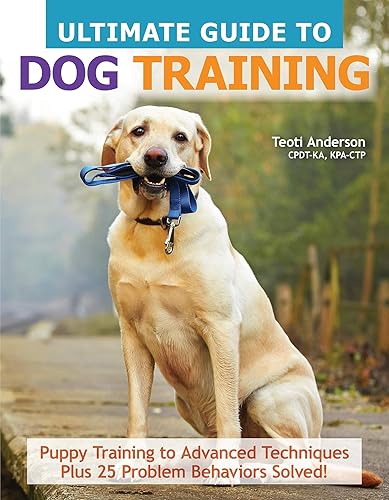 TOP CHOICEBest for owners who want a full training libraryUltimate Guide to Dog Training: Puppy Training to Advanced TechniquesView on Amazon
- 4
 Best for positive-reinforcement fansThe Only Positive Puppy Training Book You'll Ever Need: A Complete SteView on Amazon
- 5
 Best for a structured 14-day planPOTTY TRAINING FOR PUPPIES MADE EASY: A practical 14-day system for reView on Amazon
- 6
 Best for puppies 8 weeks and olderPotty Training That Works! For Puppies 8 Weeks & OlderView on Amazon
- 7
 Best budget pickPuppy Potty Training Made Easy: A Comprehensive Guide to Effectively PView on Amazon
Our Top Picks
Quick Comparison
| Product | Best for | Key feature |
|---|---|---|
| How to Potty Train a Puppy… in 7 Days or Less! | Owners who want a fast, step-by-step start | Short, time-boxed schedule |
| Puppy Dog Training: The No-Stress Potty Training Method | Anxious or first-time owners | Stress-reduction focus and habit building |
| Ultimate Guide to Dog Training | Owners who want potty training plus other skills | Covers puppy to advanced training and 25 behavior problems |
| The Only Positive Puppy Training Book You’ll Ever Need | Owners committed to reward-based methods | Positive reinforcement throughout |
| Potty Training for Puppies Made Easy | Owners who like a set calendar | 14-day practical system |
| Potty Training That Works! | Puppies 8 weeks and older | Age-specific guidance |
| Puppy Potty Training Made Easy | Budget-conscious owners | Seven proven steps to quick success |
How to Potty Train a Puppy… in 7 Days or Less! The Best Beginner’s Guide to House Training Your Pup Quickly and Easily
How to Potty Train a Puppy… in 7 Days or Less!: The Best Beginner's Guide to House Training Your Pup Quickly and Easily
Best for: Owners who want a fast, step-by-step start
This guide suits people who have just brought a puppy home and want a clear week-long plan. It is aimed at beginners who need concrete routines more than long theory.
Key specs
- Format: Paperback guide
- Focus: Beginner house training
- Timeframe promised in title: 7 days or less
Pros
- Short and easy to follow on a busy schedule
- Direct, step-by-step structure
- Aimed squarely at first-time owners
Cons
- Seven days is an optimistic timeline for many puppies
- Less depth on accident cleanup and setbacks
Bottom line: A good first read for owners who want a quick, organized start. Expect the process to take longer than a week for most puppies.
Puppy Dog Training: The No-Stress Potty Training Method
Puppy Dog Training: The No-Stress Potty Training Method: A Step-by-Step Guide for First-Time Owners to Build Good Habits, Reduce Accidents, and Raise a Confident Puppy
Best for: Anxious or first-time owners who want a calm approach
Owners who worry about making mistakes or who have a sensitive puppy may find this method reassuring. It emphasizes habit building and reducing accidents rather than punishment.
Key specs
- Format: Step-by-step guide
- Focus: Reducing accidents and building good habits
Pros
- Stress-reduction focus suits nervous owners
- Explains the reasoning behind each step
- Covers habit building over the long run
Cons
- Progress can feel slow for owners wanting quick results
- Less detail on multi-dog households
Bottom line: A strong pick for owners who value a gentle, low-pressure method and are willing to be patient.
Ultimate Guide to Dog Training: Puppy Training to Advanced Techniques Plus 25 Problem Behaviors Solved! (CompanionHouse Books)
Ultimate Guide to Dog Training: Puppy Training to Advanced Techniques Plus 25 Problem Behaviors Solved! (CompanionHouse Books) Manners, House-training, Tricks, and More, with Positive Reinforcement
Best for: Owners who want potty training plus other skills in one book
This broader guide fits owners who expect to train manners, tricks, and problem behaviors alongside house training. It is useful as a long-term reference rather than a single-purpose manual.
Key specs
- Publisher: CompanionHouse Books
- Scope: Puppy training through advanced techniques
- Includes: Coverage of 25 problem behaviors per the listing title
Pros
- Covers many training topics in one volume
- Useful reference as your dog grows
- Positive reinforcement framework
Cons
- Potty training is only one section, so it can feel dense for a beginner
- Less focused than dedicated housebreaking guides
Bottom line: Best for owners who want one all-purpose training book and don’t mind reading past the potty chapters.
The Only Positive Puppy Training Book You’ll Ever Need: A Complete Step-By-Step Guide to Potty Training, Housebreaking, Socializing, and Raising An Obedient Dog
The Only Positive Puppy Training Book You'll Ever Need: A Complete Step-By-Step Guide to Potty Training, Housebreaking, Socializing, and Raising An … Minutes a Day (Positive Dog Training Books)
Best for: Owners committed to reward-based methods
Owners who want to avoid punishment-based training and who plan to cover socialization alongside housebreaking may prefer this book. It is written for people building a whole-puppy routine.
Key specs
- Format: Step-by-step guide
- Method: Positive reinforcement
- Topics: Potty training, housebreaking, socializing
Pros
- Consistent positive-reinforcement approach
- Covers socialization as well as housebreaking
- Clear step-by-step structure
Cons
- Its breadth means less depth on any single topic
- Some readers may want more troubleshooting for accidents
Bottom line: A solid choice for owners who want a complete, reward-based plan covering the puppy’s first months. You may also like 6 Best Potty Training Books for Parents Who Want a Clear Plan.
POTTY TRAINING FOR PUPPIES MADE EASY: A practical 14-day system for reducing accidents and building reliable potty habits
POTTY TRAINING FOR PUPPIES MADE EASY: A practical 14-day system for reducing accidents and building reliable potty habits without confusion, punishment, … (BestForYourPet Dog Care Guides Book 7)
Best for: Owners who like a set calendar
This guide is for people who prefer a structured schedule they can check off day by day. It is part of a dog care series, so it is written in a practical, guide-style format.
Key specs
- Format: Guide book (part of the BestForYourPet Dog Care Guides series, Book 7)
- Timeframe: 14-day system
Pros
- Day-by-day structure is easy to follow
- Emphasizes avoiding confusion and punishment
- Short enough to finish quickly
Cons
- A fixed 14-day plan may not match every puppy’s pace
- Less background on why methods work
Bottom line: Good for owners who want a clear, time-bound plan and are comfortable adjusting it if progress stalls.
Potty Training That Works! For Puppies 8 Weeks & Older
Potty Training That Works!: For Puppies 8 Weeks & Older
Best for: Puppies 8 weeks and older
Owners of very young puppies, who are just starting to learn bladder control, will find the age focus useful. The title signals that the guidance is tailored to puppies from about two months onward.
Key specs
- Age range: 8 weeks and older (per listing title)
- Focus: Potty training
Pros
- Age-specific framing helps match expectations
- Focused entirely on potty training
- Good for early-stage owners
Cons
- Narrower scope than general training books
- Details beyond the early weeks may be limited
Bottom line: A practical pick for owners with young puppies who want potty guidance from the start.
Puppy Potty Training Made Easy: A Comprehensive Guide to Effectively Potty-Training Your Puppy (Including 7 Proven Steps to Quick Success)
Puppy Potty Training Made Easy: A Comprehensive Guide to Effectively Potty-Training Your Puppy (Including 7 Proven Steps to Quick Success)
Best for: Budget-conscious owners who want a focused, step-based guide
This book suits owners who want a compact, single-topic resource without paying for a larger training library. Its seven-step structure makes it easy to skim.
Key specs
- Format: Guide book
- Structure: Seven steps
- Focus: Potty training only
Pros
- Focused, easy-to-skim seven-step layout
- Single-topic scope keeps it short
- Good companion to a broader training book
Cons
- Limited coverage beyond potty training
- “Quick success” depends heavily on the puppy and owner consistency
Bottom line: A sensible choice for owners who want focused potty guidance and don’t need a full training curriculum.
Buying Guide
Match the Method to Your Puppy’s Age
Puppies learn bladder control gradually. Many are still developing the ability to hold it for long stretches in the first few months. A guide written for younger puppies will emphasize frequent trips outside and close supervision, while a guide for older puppies may assume more independence. Check whether the book specifies an age range.
Good picks for this: Potty Training That Works!, How to Potty Train a Puppy… in 7 Days or Less!
Check for a Clear Schedule
Effective housebreaking depends on predictable timing. Common guidance is to take a puppy out after waking, after eating, after play, and roughly every one to two hours during the day, adjusted for age. Look for a book that lays out a routine you can actually follow.
Good picks for this: Potty Training for Puppies Made Easy, Puppy Potty Training Made Easy
Reward-Based vs. Corrective Approaches
Most current veterinary and behavior guidance favors rewarding correct elimination outside rather than punishing accidents. Punishment can make a puppy hide accidents, which makes housebreaking harder. Read the table of contents or sample pages to see how accidents are handled.
Good picks for this: The Only Positive Puppy Training Book You’ll Ever Need, Puppy Dog Training: The No-Stress Potty Training Method
Scope: Potty Only or Full Training
Some owners want a focused housebreaking guide. Others want one book covering manners, socialization, and problem behaviors. A narrow book is shorter and quicker to act on. A broad book is useful for the whole first year but may spend fewer pages on potty specifics.
Good picks for this: Puppy Potty Training Made Easy, Ultimate Guide to Dog Training
Accident Handling and Troubleshooting
Accidents are normal, and a good guide explains how to clean them thoroughly so the puppy isn’t drawn back to the same spot, and how to adjust when progress stalls. Look for sections on setbacks, such as after illness, travel, or a change in routine.
Good picks for this: Puppy Dog Training: The No-Stress Potty Training Method, The Only Positive Puppy Training Book You’ll Ever Need
Length and Reading Time
If you are short on time, a short guide with a clear plan will be easier to use than a long reference. Longer books reward owners who plan to read in depth and return to specific chapters as their dog grows.
Good picks for this: How to Potty Train a Puppy… in 7 Days or Less!, Potty Training for Puppies Made Easy
Consistency Across the Household
Housebreaking works best when everyone in the home follows the same rules. Choose a guide that is simple enough for children, partners, and visitors to understand, so the cues and rewards stay consistent.
Good picks for this: Potty Training That Works!, Puppy Potty Training Made Easy
FAQ
How long does it take to potty train a puppy?
Most puppies become reliably housebroken somewhere between four and six months, though some learn faster and others take longer. Breed, size, age at adoption, and consistency all play a role. Books that promise results in a week are describing the start of a routine, not full reliability.
How often should I take my puppy outside?
Many trainers recommend taking a young puppy out every one to two hours during the day, plus after waking, after eating, and after play. A common rule of thumb is that a puppy can hold its bladder for roughly one hour per month of age, though this varies and should be treated as a guide rather than a rule.
Should I use punishment when my puppy has an accident?
Most behavior guidance advises against punishment. Scolding after the fact usually doesn’t teach the puppy anything useful, and it can make the puppy anxious or cause it to hide elimination. Calmly interrupt if you catch the puppy in the act, take it outside, and reward success.
What rewards work best during potty training?
Small treats given immediately after the puppy finishes outside are the most common approach. Timing matters more than the size of the reward. Praise in a calm, upbeat voice can be added once the puppy starts to associate it with going outside.
When should I talk to a veterinarian about house training problems?
If a puppy suddenly starts having accidents after being reliable, shows pain or straining, drinks much more water than usual, or has frequent urination, see a veterinarian. Medical causes, including urinary tract infections, can affect housebreaking. This is general guidance, and a veterinarian can give advice specific to your puppy.
Can I potty train a puppy using pads indoors?
Some owners use indoor pads or trays, especially in apartments or during bad weather. Using indoor surfaces can make it harder to transition to outdoor elimination later, so it is worth choosing a plan that fits your long-term goals. A guide that covers both approaches can help you decide.
Do all breeds potty train at the same speed?
No. Small breeds often have smaller bladders and higher metabolisms, which can mean more frequent trips outside. Some breeds are also more independent or more food-motivated than others. Adjust the schedule and rewards to your individual puppy rather than expecting a uniform timeline.
Conclusion
The best potty training techniques for puppies share a common core: a predictable schedule, prompt rewards for outdoor success, calm handling of accidents, and patience. Among these seven guides, How to Potty Train a Puppy… in 7 Days or Less! suits owners who want a fast, organized start. Puppy Dog Training: The No-Stress Potty Training Method fits anxious or first-time owners. The Only Positive Puppy Training Book You’ll Ever Need is a strong choice for reward-based training that also covers socialization. Ultimate Guide to Dog Training works best for owners wanting one book for many skills. Potty Training for Puppies Made Easy suits those who like a day-by-day calendar, Potty Training That Works! is aimed at puppies 8 weeks and older, and Puppy Potty Training Made Easy is a focused, budget-minded option. Pick the one whose age focus, method, and scope match your puppy and your routine.
Sources
- General guidance on housebreaking puppies, crate training, and building a routine (akc.org)
- Position statements and owner resources on humane, reward-based training approaches (avma.org)
- Advice on preventing and managing house-soiling and common puppy behavior concerns (aspca.org)
Related reading
- Potty Training Labrador Retriever Puppies: 6 Best Picks for Every Need (2026)
- 7 Best Potty Training Lab Puppies Products for Faster Housebreaking
- 7 Best Labrador Puppy Potty Training Books and Sprays Compared (2026)
- 7 Best Dog Potty Training Sprays for Puppies and Adult Dogs (2026)
- 6 Best Puppy Potty Training Trays for Indoor Housebreaking (2026)
- 6 Best Potty Training Attractant Sprays for Puppies (2026)
About Miles Sinclair
Miles Sinclair is part of our editorial team and reviews and edits our toddler development & behavior guides, checking product details against manufacturer specifications and owner feedback.