 By Miles Sinclair
Updated November 2026
If your toddler has had three accidents before lunch and you are wondering how many accidents are normal when potty training, you are not alone. Most toddlers have frequent accidents for weeks or even months, and that is part of the learning process. This guide covers what counts as a typical number of accidents, the signs that suggest a problem, and six books that help parents respond with patience. The selection criteria were simple: each book has to address accidents, setbacks, or stubborn resistance directly, the author’s approach has to be practical and age-appropriate, and the book has to be widely available in its listing format.
Our top picks at a glance
- 1
 TOP CHOICEBest overallThe First-Time Parent's Guide to Potty Training: How to Ditch Diapers Fast (and for Good!)View on Amazon
- 2
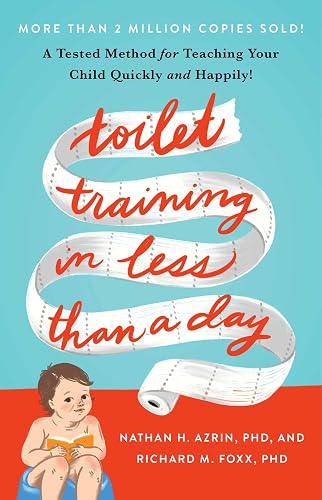 TOP CHOICEBest for parents who want a fast approachToilet Training in Less Than a DayView on Amazon
- 3
 TOP CHOICEBest for dealing with accidents and setbacksPotty Training for Stubborn Toddlers: A Calm Parent’s Guide to RefusalView on Amazon
- 4
 Best for late potty trainersWhat to Do When Potty Training Isn’t Working for Ages 3–6: A Calm, SteView on Amazon
- 5
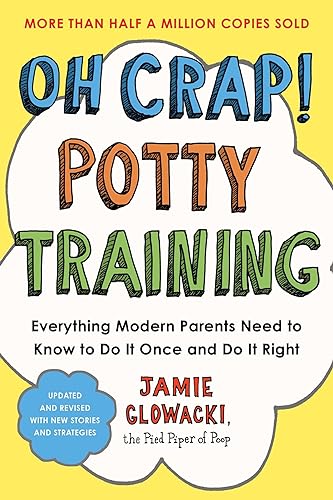 Best for a humorous, no-nonsense readOh Crap! Potty Training: Everything Modern Parents Need to Know to DoView on Amazon
- 6
 Best budget pick for a read-aloudDino Potty: Fun & Encouraging Potty Training Book for Toddlers Ages 2+View on Amazon
Our Top Picks
Quick Comparison
| Product | Best for | Key feature |
|---|---|---|
| The First-Time Parent’s Guide to Potty Training | First-time parents who want a complete plan | Step-by-step method covering the whole process |
| Oh Crap! Potty Training | Parents who want a direct, humorous voice | Plain-language guidance on what to expect |
| What to Do When Potty Training Isn’t Working for Ages 3–6 | Parents of late potty trainers | Calm, step-by-step approach for older toddlers |
| Toilet Training in Less Than a Day | Families who want an intensive, short-timeline method | Single-day intensive training framework |
| Potty Training for Stubborn Toddlers | Parents dealing with refusal and frequent accidents | Strategies for resistance and setbacks |
| Dino Potty | Toddlers ages 2 and up, read-aloud sessions | Rhyming story with colorful pictures |
The First-Time Parent’s Guide to Potty Training: How to Ditch Diapers Fast (and for Good!)
The First-Time Parent's Guide to Potty Training: How to Ditch Diapers Fast (and for Good!)
Best for: First-time parents who want a complete, organized plan
This book suits parents who feel overwhelmed by the number of conflicting potty training methods online. It lays out a sequence, from readiness signs through nighttime dryness, and it frames accidents as expected rather than as failures.
Key specs
- Format: paperback guide for parents
- Focus: complete potty training process from start to finish
- Audience: parents of toddlers beginning toilet training
Pros
- Clear, sequenced structure that is easy to follow
- Presents accidents as a normal part of learning
- Useful reference to return to when a phase gets hard
Cons
- Some readers want more day-by-day detail
- Written for a general audience, so families with special needs may need additional resources
Bottom line: A strong first choice for a parent who wants one comprehensive guide and a clear roadmap.
Oh Crap! Potty Training: Everything Modern Parents Need to Know to Do It Once and Do It Right
Oh Crap! Potty Training: Everything Modern Parents Need to Know to Do It Once and Do It Right (Oh Crap Parenting)
Best for: Parents who want a direct, humorous read with practical advice
Parents who find dense parenting books tiring may appreciate this book’s conversational tone. It covers the basics of readiness, technique, and handling setbacks without drowning the reader in theory.
Key specs
- Format: paperback parenting guide
- Focus: practical, conversational potty training advice
- Audience: parents of toddlers in the early stages
Pros
- Easy, entertaining voice that keeps the reader engaged
- Covers the essentials without excess detail
- Helpful for parents who prefer a quick read
Cons
- Lighter on depth for parents facing complex challenges
- The tone may not suit every household
Bottom line: Good for parents who want a relaxed, no-fuss introduction they will actually finish.
What to Do When Potty Training Isn’t Working for Ages 3–6: A Calm, Step-by-Step Guide for Parents of Late Potty Trainers
What to Do When Potty Training Isn’t Working for Ages 3–6: A Calm, Step-by-Step Guide for Parents of Late Potty Trainers Still in Diapers Past Age 3 (The Calm Parenting Solutions Series)
Best for: Parents of older toddlers and preschoolers who are still having frequent accidents
If your child is past age 3 and still wearing diapers or having regular accidents, this book is aimed at your situation. It focuses on calm, structured steps rather than the early-toddler approaches most guides use.
Key specs
- Format: parenting guide, part of a series
- Focus: late potty training for ages 3 to 6
- Audience: parents of children who have not yet mastered toileting
Pros
- Addresses a group that many potty books overlook
- Step-by-step structure that is easy to adapt
- Calm tone that suits a frustrated parent
Cons
- Less relevant for parents of children still under age 2
- Specific strategies may need adjusting for children with developmental differences
Bottom line: The right pick for parents who feel behind schedule and want a steady, non-punitive plan.
Toilet Training in Less Than a Day
Toilet Training in Less Than a Day
Best for: Families who want an intensive, short-timeline approach
This book is built around a condensed training window. It suits families who can clear a few days for focused practice and who are comfortable with a high-intensity start.
Key specs
- Format: paperback guide
- Focus: intensive single-day toilet training method
- Audience: families with time available for concentrated training
Pros
- Clear, fast framework for families short on time
- Gives a concrete plan rather than open-ended advice
- Useful for parents who prefer a defined start and finish
Cons
- Intensive methods do not suit every child’s temperament or readiness
- Accidents during the intensive window can still be frequent
Bottom line: A good fit for a family with a free weekend and a child who shows clear readiness.
Potty Training for Stubborn Toddlers: A Calm Parent’s Guide to Refusal, Resistance, Accidents, and Progress
Potty Training for Stubborn Toddlers: A Calm Parent’s Guide to Refusal, Resistance, Accidents, and Progress
Best for: Parents dealing with refusal, resistance, and repeated accidents
When a toddler refuses the potty or has accidents every hour, this book addresses those specific behaviors. It is written for parents who have already started and hit a wall.
Key specs
- Format: parenting guide focused on resistance
- Focus: refusal, accidents, and gradual progress
- Audience: parents of toddlers who are resisting toilet training
Pros
- Directly addresses accidents and setbacks
- Calm framing that lowers parental stress
- Strategies for power struggles around the potty
Cons
- Assumes the family has already begun training
- Less useful for parents still deciding whether to start
Bottom line: The best match for parents whose toddler is having frequent accidents and pushing back.
Dino Potty: Fun & Encouraging Potty Training Book for Toddlers Ages 2+
Dino Potty: Fun & Encouraging Potty Training Book for Toddlers Ages 2+ – Rhyming Children’s Book for Boys & Girls – Toddler Potty Book with Colorful Pictures – Perfect Toilet Training Gift
Best for: Read-aloud sessions with toddlers ages 2 and up
This picture book is meant for the child rather than the parent. It works as a bedtime or pre-potty story that builds familiarity with the idea of using the toilet.
Key specs
- Format: rhyming children’s picture book
- Focus: encouraging toilet use through story
- Audience: toddlers ages 2 and up, read aloud by parents
Pros
- Colorful illustrations hold a toddler’s attention
- Rhyming text is easy to read aloud repeatedly
- Works well as a low-pressure introduction
Cons
- Does not replace a parent’s guide for handling accidents
- Some toddlers lose interest after a few readings
Bottom line: A pleasant companion for a toddler, not a standalone training plan.
Buying Guide
Match the book to your child’s stage
Early-stage books focus on readiness and first attempts. Books for older children address late training and persistent accidents. Choosing a book at the wrong stage often leads to frustration, so check the age range and the stage the book addresses before you buy.
Good picks for this: The First-Time Parent’s Guide to Potty Training, What to Do When Potty Training Isn’t Working for Ages 3–6
Look for guidance on accidents
Accidents are the most common source of parental stress. A useful book explains what counts as a typical accident pattern and how to respond without punishment. Check the table of contents or preview pages for a section on setbacks.
Good picks for this: Potty Training for Stubborn Toddlers, Oh Crap! Potty Training
Consider the time you have
Some methods are designed for a single intensive window, while others unfold over weeks or months. If your schedule allows only short practice sessions, a gradual guide will likely suit you better than an intensive one.
Good picks for this: Toilet Training in Less Than a Day, The First-Time Parent’s Guide to Potty Training
Think about tone and reading time
Some parents want a dense, thorough reference. Others want a short, readable guide they will actually finish. Neither is better in general; it depends on how much time you have and how you process advice.
Good picks for this: Oh Crap! Potty Training, The First-Time Parent’s Guide to Potty Training
Decide whether you need a child-facing book
A parent guide helps you, while a picture book engages your toddler. Many families use both. A read-aloud book can make the bathroom feel less intimidating, but it will not solve accident problems on its own.
Good picks for this: Dino Potty, Potty Training for Stubborn Toddlers
Check the format and durability
Paperback books are light and affordable to replace, but a board-book or sturdy picture book holds up better when a toddler handles it. Look at the binding and page material if the book is intended for a child.
Good picks for this: Dino Potty, Toilet Training in Less Than a Day
FAQ
How many accidents are normal in the first week of potty training?
Many toddlers have several accidents a day in the first week, and some have more. Frequent accidents early on are expected because the child is still learning to notice body signals. If accidents are happening constantly and your child shows no awareness at all, it may help to wait a few weeks and try again when they seem more ready.
Is it normal for a child to have an accident every day after a month of training?
Daily accidents after a month are common, especially with daytime training. Progress is usually gradual, and some children take several months to become consistent. Consult your pediatrician if accidents remain very frequent after several months, or if there are other concerns such as pain or constipation.
When should I be concerned about accidents during potty training?
Consider talking to a pediatrician if your child has pain with urination, straining, constipation, sudden new wetting after being dry for months, or wetting that continues past about age 5. These can signal a medical issue. This guide is general information, so a professional should evaluate any health concern.
Do accidents mean I started too early?
Not necessarily. Accidents are common regardless of when training begins. Readiness signs such as staying dry for longer stretches, showing interest in the toilet, and being able to follow simple instructions matter more than the age alone. You can read more in our guide on readiness signs.
Should I punish my toddler for accidents?
No. Punishment tends to increase anxiety and can make toilet training harder. Calm, matter-of-fact cleanup and encouragement work better. Books in this list address that approach in more detail.
How do I handle accidents at night?
Nighttime dryness usually develops later than daytime dryness, and many children need extra time. Limiting drinks close to bedtime and using waterproof protection can help. Some children stay wet at night well past daytime training, which is normal.
Conclusion
Accidents are a normal and expected part of potty training, and most toddlers have them for weeks or months. The right number depends on age, readiness, and how long training has been going on, so the most useful measure is the overall trend rather than any single day. For a complete, organized plan, The First-Time Parent’s Guide is a strong starting point. Parents who want a quick, readable approach may prefer Oh Crap! Potty Training. Families facing refusal and frequent accidents will find the most relevant help in Potty Training for Stubborn Toddlers, while parents of older children should look at the Ages 3–6 guide. Toilet Training in Less Than a Day suits families with a free stretch of time, and Dino Potty works best as a read-aloud companion for toddlers ages 2 and up.
Sources
- Guidance from the American Academy of Pediatrics on toilet training readiness and typical timelines (aap.org)
- Information on child development milestones relevant to bladder and bowel control (cdc.gov)
- Research summaries on bladder control development and childhood toileting problems (nih.gov)
Related reading
- When Potty Training, How Long to Sit on Potty? A Practical Guide
- Potty Training Mattress Cover: How to Protect Your Bed During Toddler Accidents
- When to Start with Potty Training: Signs Your Toddler Is Ready (2026)
- When to Start Potty Training at Night: 6 Books and Tools Compared (2026)
- When to Begin Potty Training: Signs Your Toddler Is Ready (2026)
- Toys for Potty Training: 7 Picks and How to Use Them (2026)
About Miles Sinclair
Miles Sinclair is part of our editorial team and reviews and edits our toddler development & behavior guides, checking product details against manufacturer specifications and owner feedback.