 By Miles Sinclair
Updated November 2026
Pull up potty training pants are absorbent, underwear-style pants that let a toddler pull them up and down without help. Used well, they bridge the gap between diapers and real underwear, giving your child the feel of going potty while still catching accidents. This guide explains how they work, when they make sense, how to introduce them step by step, and where parents tend to go wrong.
What Pull Up Potty Training Pants Are and How They Differ From Diapers
Pull ups are disposable or reusable pants with an absorbent core sewn into the crotch. They have elastic at the waist and legs and no tape tabs, so a toddler can step into them and pull them up alone. Most manufacturers position them as a transition product for children roughly between 18 months and 4 years old, though the right age depends on readiness rather than the number on the package.
The key difference from a diaper is the experience. A diaper is designed to hold wetness away from the skin so the child rarely notices it. A pull up is designed to feel more like underwear. Many children notice wetness more quickly in a pull up, which is the point: the sensation is what helps them connect the feeling of needing to go with the act of going.
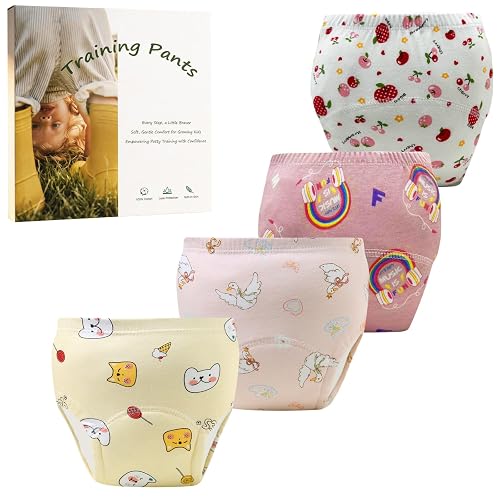
Pull ups are not the same as training underwear, which has no absorbent core, or cloth training pants, which are reusable and usually have a thin built-in layer. Each option fits a different stage, and many families use more than one over the course of training.
Before You Start: Check Readiness First
Buying pull ups is not a substitute for readiness. A toddler who is not yet aware of needing to pee or poop will simply wet through pull ups, and the process becomes frustrating for everyone. Look for these signs:
- Stays dry for two hours or more at a stretch during the day, or wakes up dry from naps.
- Shows awareness during or after going, such as grunting, squatting, hiding, or saying “wet” or “poop.”
- Can follow simple directions and wants to copy older children or caregivers.
- Can pull pants up and down with some help.
- Tolerates sitting on a potty chair or toilet seat for a few minutes.
If several of these are missing, it may be better to wait a few weeks or months. For more detail on timing, see When to Start with Potty Training: Signs Your Toddler Is Ready (2026) and When to Begin Potty Training: Signs Your Toddler Is Ready (2026).
Step-by-Step: Introducing Pull Ups
A structured introduction usually works better than switching all at once. The steps below assume your child is showing readiness signs and you have chosen a start date when you will not be traveling or changing caregivers.
Step 1: Gather your supplies
- A pack of pull up potty training pants in your child’s size (check the weight range on the package, not just age).
- A potty chair or a child-sized seat that fits on your toilet.
- Waterproof mattress protection for naps and nights.
- Spare clothes, wipes, and a plastic bag for soiled pants.
- A simple reward system, such as stickers or a small chart.
Step 2: Let your child choose and handle the pants
Let your toddler pick out the pants, hold them, and practice pulling them up and down while fully clothed. Keep it playful. The goal is familiarity, not toileting yet.
Step 3: Set a routine
Offer the potty at predictable times: after waking, after meals, before naps and bedtime, and every one to two hours during the day. Sitting for one to three minutes is enough at first. Learn how long to sit at When Potty Training, How Long to Sit on Potty? A Practical Guide.
Step 4: Respond calmly to accidents
When your child has an accident in a pull up, say something neutral like “Pee goes in the potty” and change them without fuss. Avoid punishment, shame, or long lectures. Accidents are information, not failure.
Step 5: Plan the transition to underwear
Once your child is staying dry in pull ups for most of the day, you can begin switching some days to training underwear. Start with a few hours at home, then expand. Keep pull ups for naps and nights until your child is consistently dry on waking.
Choosing the Right Pull Up for Your Toddler
Pull ups vary in absorbency, fit, and how much they feel like underwear. Compare the options using the factors below.
| Factor | What to look for | Why it matters |
|---|---|---|
| Size and weight range | Match the weight on the package to your child | A poor fit leaks at the leg and waist |
| Absorbency | Lower-absorbency styles for daytime training | Heavy absorbency can mask wetness |
| Elastic fit | Snug but not tight at the waist and legs | Gaps cause leaks and make pants hard to pull up |
| Disposable or reusable | Disposable for convenience, reusable for lower ongoing cost | Matches your laundry and travel habits |
| Night use | Higher-absorbency styles marked for nighttime | Bedtime wetting needs more protection |
If your toddler is in the early stages, a lower-absorbency pull up that still holds a small amount of urine may be the best choice, because the child feels the wetness. For broader comparisons, see 4 Best Potty Training Pull Ups for Toddlers: Top Picks Compared (2026) and Pull Up for Potty Training: 3 Best Picks for Toddlers (2026). Some families also use Potty Training Pants Disposable: A Step-by-Step Guide for Toddlers as a stepping stone.
Common Mistakes to Avoid
- Starting too early. Buying pull ups before your child shows awareness leads to long stretches of wet pants and discouragement.
- Using pull ups as the default forever. Pull ups that stay in place for months can slow progress because the child never has a reason to notice wetness.
- Choosing the wrong size. A pull up that is too big leaks; one that is too small is uncomfortable and hard to pull up.
- Switching too fast. Moving to underwear for the whole day before your child is reliably dry often leads to many accidents.
- Using pressure or punishment. Shame and power struggles tend to make toileting more stressful and can cause withholding.
- Ignoring constipation. Hard or infrequent stools can make bowel training painful. If your child strains often, avoids pooping, or has hard stools, talk with your pediatrician.
Tips for a Smoother Process
- Use a visual progress chart with a small reward for each dry stretch, not for each attempt.
- Keep a potty in the room where your child spends the most time.
- Dress your child in pants that are easy to pull down, with elastic waistbands rather than buttons.
- Expect regression during illness, travel, a new sibling, or a move. Return to the routine without anger.
- Read books or watch short videos about potty use to build interest. Many parents find Visual Potty Training Aids: 5 Tools That Help Toddlers Learn (2026) useful for this stage.
- Keep a few spare outfits and a waterproof bag in every car and bag you carry.
Recommended gear
A few supporting items make pull up training easier. Choose ones that match your child’s stage and your home setup.
- A freestanding potty chair with a removable bowl. Easier to empty and clean, and it lets your child sit independently. View on Amazon
- A toilet training seat with a built-in step stool. Helps a child reach the seat safely for those who prefer the big toilet. View on Amazon
- A waterproof mattress protector. Protects the bed during naps and nights while you work on dryness. View on Amazon
- Pull-up style training pants in a multipack. Lets you keep a steady supply and try a few styles before committing. View on Amazon
FAQ
How long should my child use pull up potty training pants?
There is no fixed timeline. Many children use pull ups for daytime training for a few weeks to several months, and some keep them for naps or nights longer. Move on when your child is dry for most of the day and wakes dry from naps.
Should I use pull ups or underwear first?
For most toddlers just beginning, pull ups are a gentler starting point because they catch accidents while still feeling like underwear. Once your child shows steady dryness and is motivated, training underwear can be introduced for part of the day.
Are pull ups the same as diapers?
No. Pull ups have elastic at the waist and legs and are designed to be pulled up and down by the child. Diapers usually have tabs and are designed to keep wetness away from the skin. Pull ups are generally less absorbent, which helps children notice wetness.
My child keeps wetting pull ups. What should I do?
Check readiness first. If your child is not yet aware of wetness, it may be better to pause and try again in a few weeks. If your child is aware but still has frequent accidents, shorten the sitting intervals, reduce fluids an hour before bed, and review the fit of the pants.
Can my child wear pull ups at night?
Yes. Many children need nighttime protection long after daytime training is complete. Use a higher-absorbency night pull up and a waterproof mattress protector. Nighttime dryness develops separately and is not a sign of failure.
Do I need to wash reusable pull ups differently?
Follow the care label, which usually calls for cold or warm water rinses, mild detergent, and air drying to protect the waterproof layer. Avoid fabric softener, which can reduce absorbency and waterproofing over time.
When should I talk to a doctor?
Consult your pediatrician if your child has pain or burning when urinating, very frequent urination, constant wetness, hard or painful stools, or if training stalls for several months after your child seemed ready. These can have medical causes that need evaluation.
What if my child is afraid of the toilet?
Fear is common. Let your child sit on a potty chair fully clothed, read books about the toilet, and avoid flushing while they are nearby if it startles them. Go slowly and celebrate small steps rather than forcing sitting time.
Conclusion
Pull up potty training pants can ease the transition from diapers to underwear when used at the right time and with a clear plan. Start when your child shows readiness, choose the right fit and absorbency, and use a calm, consistent routine. Move to underwear gradually once daytime dryness is steady, and keep patience at the center of the process.
Ready to choose one?
About Miles Sinclair
Miles Sinclair is part of our editorial team and reviews and edits our toddler development & behavior guides, checking product details against manufacturer specifications and owner feedback.