 By Miles Sinclair
Updated November 2026
Parenting leader potty training resources come in many forms, but most parents want one clear book they can follow from the first attempt to the final accident-free day. This list covers six well-known toddler potty training books, chosen by checking publisher descriptions, brand reputation and common owner feedback. Each pick is judged on method clarity, age fit, how practical the steps are and how well it handles setbacks.
Our top picks at a glance
- 1
 TOP CHOICEBest overallEarly-Start Potty TrainingView on Amazon
- 2
 TOP CHOICEBest for a fast weekend startPotty Training in 3 DaysView on Amazon
- 3
 TOP CHOICEBest for gentle, no-pressure trainingThe No-Cry Potty Training SolutionView on Amazon
- 4
 Best for a modern, straight-talking approachOh Crap! Potty TrainingView on Amazon
- 5
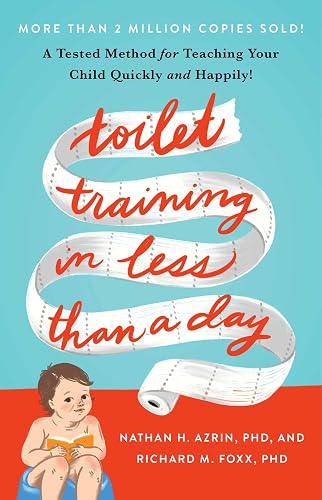 Best for a short, focused readToilet Training in Less Than a DayView on Amazon
- 6
 Best for a full parenting-guide formatThe Toilet Training BookView on Amazon
Our Top Picks
Quick Comparison
| Product | Best for | Key feature |
|---|---|---|
| Early-Start Potty Training | Overall method and readiness planning | Starts earlier with signs of readiness |
| Potty Training in 3 Days | Parents wanting a quick, intensive start | Day-by-day structured plan |
| The No-Cry Potty Training Solution | Sensitive or resistant toddlers | Low-pressure, gentle approach |
| Oh Crap! Potty Training | Parents who want direct, humorous advice | Concise, no-nonsense steps |
| Toilet Training in Less Than a Day | Busy parents wanting a short read | Single-day intensive method |
| The Toilet Training Book | Parents wanting a broad reference guide | Covers preparation through implementation |
Early-Start Potty Training
Early-Start Potty Training
Best for: Overall method and readiness planning
This book suits parents who want to watch for readiness cues and begin at a well-timed moment rather than forcing a start.
Pros
- Clear guidance on spotting readiness signs
- Structured approach that is easy to follow
Cons
- Less detail on handling nighttime training
Potty Training in 3 Days
Potty Training in 3 Days: The Step-by-Step Plan for a Clean Break from Dirty Diapers
Best for: Parents wanting a quick, intensive start
Best suited to families who can clear several days for focused training at home with minimal outside commitments.
Pros
- Day-by-day plan removes guesswork
- Helpful for families short on time
Cons
- Intensive pace may not suit every toddler
The No-Cry Potty Training Solution
The No-Cry Potty Training Solution: Gentle Ways to Help Your Child Say Good-Bye to Diapers: Gentle Ways to Help Your Child Say Good-Bye to Diapers
Best for: Sensitive or resistant toddlers
A good fit for parents whose child gets upset easily or digs in when pushed, and who prefer a slower pace.
Pros
- Emphasizes calm, low-pressure techniques
- Useful strategies for power struggles
Cons
- Takes longer than intensive methods
Oh Crap! Potty Training
Oh Crap! Potty Training: Everything Modern Parents Need to Know to Do It Once and Do It Right (Oh Crap Parenting)
Best for: Parents who want direct, humorous advice
Aimed at parents who appreciate a candid tone and want practical answers without long theory sections. For a deeper look, 7 Best Tiny Potty Training Books for Toddlers (2026) covers this in detail.
Pros
- Plain-language, easy-to-scan advice
- Covers common problems parents actually face
Cons
- Tone may feel too casual for some readers
Toilet Training in Less Than a Day
Toilet Training in Less Than a Day
Best for: Busy parents wanting a short read
Suits families looking for a compact method they can read quickly and act on within a single concentrated day.
Pros
- Short and quick to read
- Clear single-day structure
Cons
- Single-day approach may not fit every child’s pace
The Toilet Training Book
The Toilet Training Book: Easy and fun parenting guide with everything you need to know from preparation – through training – to implementation (The Potty Training Series)
Best for: Parents wanting a broad reference guide
A reference-style option for parents who want to read about preparation, training and follow-through in one place.
Pros
- Covers the full process from preparation onward
- Easy to revisit when a problem comes up
Cons
- Longer read than the shorter guides
Buying Guide
Match the method to your toddler’s temperament
Some toddlers respond well to a structured schedule, while others resist any pressure. Choose a book whose pace fits how your child handles change.
Check the age and readiness guidance
Look for books that explain readiness signs such as staying dry for longer stretches and showing interest in the toilet. Starting before readiness often leads to frustration.
Consider your available time
Intensive plans need several days at home, while broader guides allow a gradual start. Pick the format that matches your schedule.
Good picks for this: Potty Training in 3 Days and Early-Start Potty Training
FAQ
Do I need to read a book before starting potty training?
No, but a good guide gives you a plan and helps you avoid common mistakes. Reading one before you begin often makes the process calmer.
How do I know if my toddler is ready?
Common signs include staying dry for two hours or more, telling you when a diaper is wet or soiled, and showing curiosity about the toilet. Consult your pediatrician if you have concerns about development.
What if my child has frequent accidents after starting?
Accidents are normal during the learning period. Stay calm, clean up without shame and revisit the routine if accidents continue for several weeks.
Related reading
- Why Does My Carry Potty Training Underwear Keep Leaking? 6 Causes and Fixes
- When to Start with Potty Training: Signs Your Toddler Is Ready (2026)
- When to Begin Potty Training: Signs Your Toddler Is Ready (2026)
- When Potty Training, How Long to Sit on Potty? A Practical Guide
- What Is the Average Age for Potty Training Cloth Diapers Kids? Timing Guide
About Miles Sinclair
Miles Sinclair is part of our editorial team and reviews and edits our toddler development & behavior guides, checking product details against manufacturer specifications and owner feedback.