 By Miles Sinclair
Updated November 2026
A potty training mattress cover is a waterproof layer that sits between your toddler’s sheet and mattress, so an overnight accident doesn’t soak through to the foam or springs. Used with a few simple habits, it lets you keep your child’s bed clean while your toddler learns to stay dry through the night. This guide covers how to choose one, how to fit it, and what to do when accidents happen anyway.
Why a Mattress Cover Matters During Potty Training
Daytime and nighttime dryness develop on different timelines. Many toddlers stay dry during the day for months before their bladder control holds through a full night, and that gap is normal. A waterproof cover keeps accidents from becoming a bigger job for you, and it means your child can wake up in a dry, familiar bed instead of a damp one.
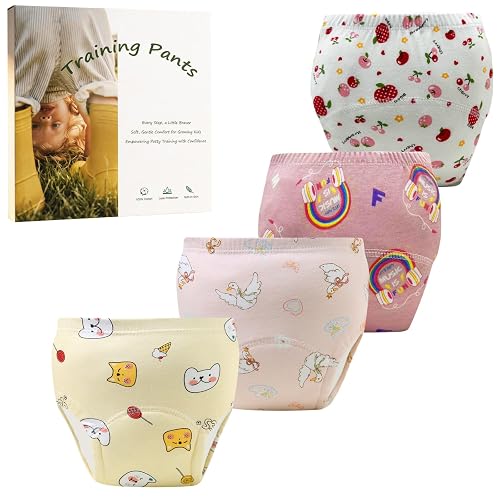
Shopping for one? See our guide: Undies for Potty Training: 7 Best Picks for Toddlers (2026).
How to Choose a Potty Training Mattress Cover
Look for three features when you shop:
- A fully waterproof backing. The moisture barrier should be on the bottom, not just the top, so urine can’t wick through to the mattress.
- A quiet, soft top layer. Crinkly plastic can wake a light sleeper and make a child reluctant to lie down.
- A fitted design with deep pockets. A loose cover slides and bunches. Check that the depth matches your mattress thickness, which manufacturers usually list in inches.
Machine washability matters too. Most covers need washing every few days during the early weeks, so choose one that tolerates warm water and a dryer on low heat, and check the care label before you buy.
Step-by-Step: Setting Up the Bed Each Night
- Strip the bed and fit the mattress cover so the waterproof side faces the mattress.
- Smooth out all wrinkles and tuck the corners firmly so nothing shifts while your child sleeps.
- Add a second, lightweight sheet on top of the cover. Two layers mean you can strip only the top one after an accident.
- Keep a spare set of sheets and a small towel within reach so you can change the bed in minutes.
- Limit fluids for about an hour before bedtime, and make a bathroom trip part of the bedtime routine.
What to Do After an Accident
Stay calm and keep the process quiet. Change your child into dry pajamas, remove the top sheet, wipe any moisture off the cover, and remake the bed. Avoid making the event a big deal, since shame can make bedwetting worse over time.
Tips and Common Mistakes
- Don’t rely on a cover alone. Pair it with a nighttime routine and regular bathroom breaks.
- Don’t skip the spare sheet layer. Changing a full bed every time is exhausting for both of you.
- Don’t punish or scold after accidents. Nighttime dryness depends largely on development, not effort.
- Check the cover for tears or worn spots every few weeks, since a damaged barrier stops working.
- Expect progress to be uneven. Some nights will be dry and others won’t, even after weeks of success.
Recommended Gear
- Waterproof fitted mattress protector: A fitted design stays put during sleep and keeps the moisture barrier in place. View on Amazon
- Waterproof mattress pad with a quiet top: A quiet top layer helps a light sleeper stay settled. View on Amazon
- Lightweight top sheets in a spare set: Extra sheets let you change the bed quickly after an accident without stripping everything. View on Amazon
For more on what helps overnight, see Potty Training for Overnight: A Step-by-Step Guide for Toddlers. If accidents continue for a long stretch, Why Does My Carry Potty Training Underwear Keep Leaking? 6 Causes and Fixes covers common causes of leaks you can check at home.
FAQ
Do I still need a mattress cover if my toddler is only wet at night sometimes?
Yes. Occasional accidents are still common, and a cover prevents a single wet night from reaching the mattress and causing odor or staining.
Can I use a regular plastic sheet instead?
A plastic sheet can work in a pinch, but it tends to slide and crinkle. A fitted waterproof cover usually stays in place better and is more comfortable.
When should I talk to a doctor about nighttime wetting?
If your child is past the age when most children are dry at night, or if wetting is sudden or comes with pain, talk to your pediatrician to rule out medical causes.
Conclusion
A potty training mattress cover protects your bed while your toddler builds nighttime control. Choose a fully waterproof, fitted cover, pair it with a calm bedtime routine, and keep spare sheets nearby. Progress takes time, so measure it over weeks rather than nights.
Related reading
Ready to choose one?
About Miles Sinclair
Miles Sinclair is part of our editorial team and reviews and edits our toddler development & behavior guides, checking product details against manufacturer specifications and owner feedback.