 By Miles Sinclair
Updated November 2026
The best potty training underpants are thick enough to catch small accidents, snug enough to feel like real underwear, and easy for a toddler to pull up and down alone. Choosing the right pair helps your child notice wetness sooner, which is the whole point of training. This guide covers what to look for, how to introduce them, and what to do when leaks happen.
What Makes Potty Training Underpants Work
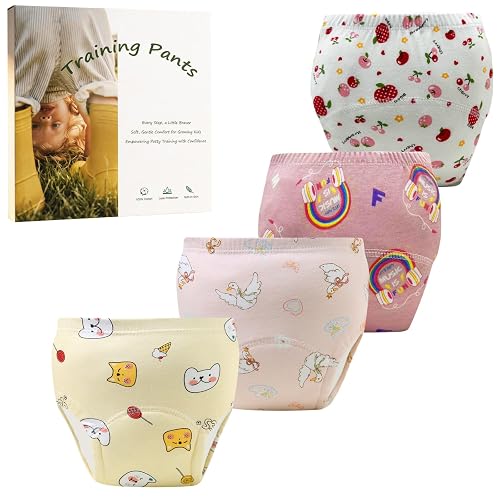
Training pants sit between diapers and regular underwear. A good pair does three things: it holds a small amount of urine so accidents are not messy, it lets your toddler feel wet when it happens, and it does not bunch or sag when they move.
- Absorbency: Look for a cotton or cotton-blend lining with a waterproof outer layer. Many pairs are designed to hold roughly one void, which is what you want at first.
- Fit at the waist and legs: Elastic should sit flat against the skin. Gaps at the leg openings are the most common cause of leaks.
- Easy removal: Pull-up styles with elastic waistbands let toddlers manage their own pants in a hurry.
- Fabric: Soft cotton reduces irritation. Avoid pairs with scratchy tags or stiff seams.
How to Choose the Right Pair for Your Toddler
Start by matching the underpants to where your child is in training. A toddler who is still having frequent accidents needs more absorbency. A child who stays dry for longer stretches may be ready for thinner pairs or regular cotton underwear.
- Measure your toddler’s waist and hips, then check the brand’s size chart. Sizes often run by age and weight, so use the measurements rather than the age on the package.
- Buy two or three of the same style so you always have a clean pair ready.
- Let your child pick between two options. Choice builds buy-in, and toddlers who like their underwear are more willing to wear it.
- Test the fit with a few trial days at home before a daycare or trip.
Introducing Underpants Step by Step
Once you have the right pairs, the transition works best with a short routine. Keep the first week low pressure and consistent.
- Offer the potty every 60 to 90 minutes while your child is awake, and right after meals, naps and waking.
- Use a simple phrase each time, such as “Pee goes in the potty,” so the link between the feeling and the place stays clear.
- After an accident, say “Wet pants feel uncomfortable” and change them calmly. Avoid lectures or big reactions.
- Praise the attempt, not just the result. “You told me and went to the potty” works better than only celebrating dry pants.
Common Mistakes to Avoid
- Using overnight or heavy pads too early, which reduces the wet feeling your child needs to notice.
- Switching back and forth between diapers and underpants, which can confuse the routine.
- Buying pants that are too big. Loose legs leak, and toddlers often give up when accidents keep happening.
- Expecting nights to be dry right away. Night training usually lags daytime by months and is driven by development.
- Ignoring fit problems. Red marks, constant leaks or a child who refuses to wear them often means the size or style is wrong.
Recommended Gear
Most families find a few supplies make the process smoother. These are the items worth considering:
- Pull-up training pants with a cotton lining: These are easy for toddlers to pull on and off, and the lining feels closer to real underwear. View on Amazon
- Waterproof mattress protector: Accidents happen at night and during naps, and a protector keeps the bed dry while you work on bedtime training. View on Amazon
- Portable potty seat: A seat near the spot where your toddler spends the most time makes quick trips easier. View on Amazon
For more on choosing styles and timing, see Undies for Potty Training: 7 Best Picks for Toddlers (2026) and When to Start with Potty Training: Signs Your Toddler Is Ready (2026). If leaks keep happening even with a good fit, Why Does My Carry Potty Training Underwear Keep Leaking? 6 Causes and Fixes covers the most common causes.
FAQ
Should I use training pants or regular underwear?
Training pants are a good choice for the first few weeks because they catch accidents without making a mess. Many families move to regular cotton underwear once their child is dry for most of the day. Follow your child’s progress rather than a fixed schedule.
How many pairs of potty training underpants do I need?
Plan on at least six to eight pairs so you can change several times a day without running out. Keep spares in the diaper bag, the car and at daycare.
What if my toddler refuses to wear them?
Let them choose the pair, and try a different style or size if they complain about fit. If resistance continues, take a short break and try again in a few weeks. Talk to your pediatrician if you have ongoing concerns about bladder control or pain when peeing.
Conclusion
The best potty training underpants are absorbent enough to catch accidents, soft, and easy for your toddler to manage. Focus on fit, keep the routine simple, and expect some leaks along the way. Steady practice matters more than the exact brand you choose.
Related reading
- Best Potty Seat for Potty Training: 4 Types Compared for Toddlers (2026)
- 3 Best Dog Potty Training Apartment Aids for Small Spaces (2026)
- 3 Best Cloth Diapers for Potty Training Toddlers (2026)
Ready to choose one?
About Miles Sinclair
Miles Sinclair is part of our editorial team and reviews and edits our toddler development & behavior guides, checking product details against manufacturer specifications and owner feedback.