 By Miles Sinclair
Updated November 2026
The best potty training diapers are the ones that help your toddler feel wet, stay comfortable, and gradually learn to connect bodily signals with the toilet. Most parents don’t need a special product to potty train, but the right underwear or training pant can make the transition smoother. This guide explains what to look for, how to pick a diaper that fits your plan, and which common mistakes to avoid. If you want more background, see What Age Is Best for Potty Training? 4 Best Potty Trainers for Toddlers (2026).
Decide What Role the Diaper Should Play
Before you shop, get clear on what you want the diaper to do. Some families use a training pant as a bridge between disposable diapers and underwear. Others skip diapers altogether once daytime training starts. Knowing your goal narrows the field quickly.
If your toddler is still learning to recognize the urge, a thicker absorbent pant gives a safe landing for accidents. If your child already tells you when they need to go, a thinner, more fabric-like option may help them notice wetness faster. For a deeper comparison of approaches, see Potty Training Cloth Diapers vs Disposable (2026): Which Should You Choose?.
Compare Features That Affect Daily Use
Once you know your goal, evaluate the diapers on the features that matter most in daily life:
- Absorbency level: Heavier absorbency suits nap time and nights, while lighter options help with daytime feedback.
- Fit and waistband: Look for a snug, elastic waist and leg cuffs that don’t gap. Loose fits leak, and leaks confuse toddlers about what wet feels like.
- Pull-up or tape design: Pull-ups feel more like underwear and let toddlers practice pulling them up and down. Tape styles are easier for changing if your child is still learning.
- Breathability and fabric: Cloth-like outer layers can feel more familiar. Cloth options are covered in 3 Best Cloth Diapers for Potty Training Toddlers (2026).
- Size range: Choose a size based on your child’s current weight, not their age, and check the manufacturer’s chart.
Follow a Simple Transition Plan
Whatever diaper you choose, a steady routine matters more than the brand. Use this sequence:
- Pick a start date when you have a few calm days at home.
- Start with a training pant during waking hours and keep a regular potty schedule, about every 60 to 90 minutes.
- Use the same words for the process each time, such as “pee goes in the potty.”
- Keep a regular diaper or waterproof protector for naps and bedtime until your child stays dry for several hours.
- Move to underwear only after daytime accidents drop significantly. Many parents find that takes several weeks.
Know When to Move Past Training Diapers
Watch for signs that your toddler is ready to step down: they stay dry after naps, they tell you before they go, or they pull at a wet pant. If those signs appear, try a thinner option or underwear. Readiness signs are covered in When to Start with Potty Training: Signs Your Toddler Is Ready (2026).
Common Mistakes to Avoid
- Choosing an extra-absorbent diaper for daytime, which can hide wetness your toddler should notice.
- Switching products every few days. Stick with one option for at least two weeks to judge it fairly.
- Buying too many sizes before you know your child’s fit.
- Skipping the waterproof protector on the bed, which turns accidents into bigger problems.
- Expecting nighttime dryness at the same time as daytime dryness. Nights often take longer.
Recommended Gear
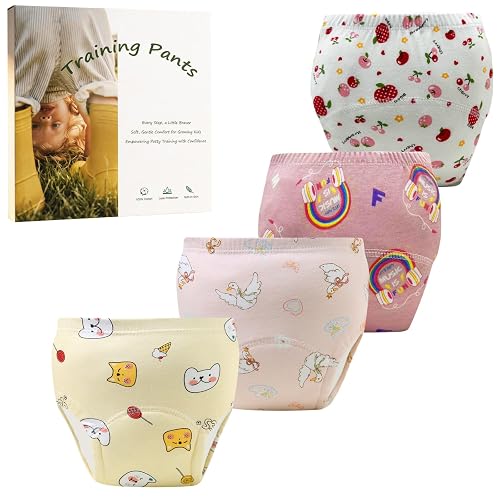
- Pull-Up style training pants: A pull-up design lets toddlers practice dressing themselves, which builds independence. View on Amazon
- Waterproof mattress protector: Protects the bed during accidents and nighttime training. View on Amazon
- Potty Training Pants Waterproof Cover: A waterproof outer layer helps contain leaks when you’re using cloth-style training pants. View on Amazon
FAQ
Do I need a special diaper for potty training?
Not always. Many toddlers do well with regular underwear and a waterproof cover, while others benefit from a training pant that feels more like underwear. Choose based on your child’s comfort and how often they have accidents.
How long should my toddler use training pants?
Most toddlers use them for several weeks to a few months during daytime training. Nighttime use often lasts longer, and some children need protection for a while after they’re dry during the day.
Should I use the same diaper at night?
Usually not. Nighttime training requires more absorbency and a protective mattress cover. If you’re unsure, talk with your pediatrician about bedwetting concerns, especially if your child is older than about five and still wets the bed regularly.
Conclusion
The best potty training diapers fit your child well, match your daytime and nighttime needs, and support a consistent routine. Start with a clear goal, choose one option, and give it a fair trial before changing course. Progress is usually steady, not sudden, so judge success by fewer accidents over time.
Related reading
Ready to choose one?
About Miles Sinclair
Miles Sinclair is part of our editorial team and reviews and edits our toddler development & behavior guides, checking product details against manufacturer specifications and owner feedback.