 By Miles Sinclair
Updated November 2026
When potty training, how long to sit on potty is usually a few minutes at a time: about 3 to 5 minutes is a good starting point for most toddlers. Sit them on the potty after meals, after waking from naps, and before bath time, and stop if they become upset or restless.
Why Short Sits Work Better Than Long Ones
Toddlers have short attention spans and limited patience for sitting still. A child who is bored, squirming, or crying will not relax enough for their body to release urine or stool. Long sits often turn the potty into a battle zone, which can make your child avoid it entirely.
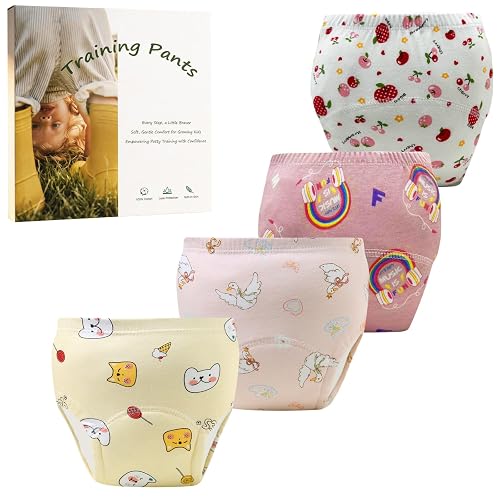
Shopping for one? See our guide: Undies for Potty Training: 7 Best Picks for Toddlers (2026). How Long Should Preschool Homeschool Be? 5 Best Guides Compared (2026) goes further into this.
Short, predictable sits build familiarity. Your toddler learns that the potty is a normal, low-pressure part of the day, and they start to connect the sensation of needing to go with the place where it happens.
Factors That Change the Right Length
The ideal sitting time depends on your child’s age, temperament, and readiness. A few common variables:
- Age: Children around 18 to 24 months may only tolerate 1 to 2 minutes. Older toddlers closer to 3 can usually manage 5 minutes with a book or song.
- Temperament: Highly active children may need more movement built in, such as standing up, sitting on the potty fully clothed first, or doing a short routine.
- Success rate: If your child has been going in the potty, you can gradually extend sits. If there have been no results after several tries, shorten them.
- Constipation: Stool retention can make potty sits uncomfortable and frustrating. If your child strains, cries, or goes days without a bowel movement, talk to your pediatrician before pushing longer sits.
How to Make Potty Sits Work
Use a timer or a simple song so your child knows when the sit is over. Keep the potty in a spot they can reach easily, and let them get on and off on their own when possible.
- Start with 1 to 2 minutes, and increase by about 30 seconds every few days if your child is comfortable.
- Stop the sit before your child gets upset, even if nothing happened. End on a calm note.
- Praise the effort, not just the result. “You sat on the potty like a big kid” works even when nothing comes out.
- Offer a small, consistent reward for sitting, not for guaranteed success.
- Avoid pressure, threats, or forcing your child to stay until they go.
- Take a break for a few days if sits become a daily struggle, then restart calmly.
For a broader plan, see Potty Training Tips and Advice: A Step-by-Step Guide for Toddlers and Potty and Toilet Training: A Step-by-Step Guide for Toddlers. If you are still deciding whether your child is ready at all, When to Begin Potty Training: Signs Your Toddler Is Ready (2026) covers the common readiness signs.
What We’d Use
A sturdy, child-sized potty seat that sits at a comfortable height helps toddlers feel secure and independent. Look for a model with a wide base so it doesn’t tip.
A visual timer or sand timer can also help your child understand how long the sit will last, which reduces power struggles.
FAQ
Should I stay in the bathroom with my toddler during potty sits?
Staying nearby in a calm, relaxed way is usually helpful, especially at first. Sit with them, read a book, or hum a song. Avoid hovering or quizzing them about whether they need to go.
What if my toddler refuses to sit at all?
Take a step back and make the potty a neutral object for a few days. Let your child explore it, sit on it fully dressed, or use it as a step stool. Reintroduce sits gradually once they seem curious again.
How often should my toddler sit on the potty each day?
Many families sit children about 3 to 5 times a day, usually after meals, after naps, and before bedtime. Keep the schedule loose and follow your child’s cues. If you have concerns about bowel habits or ongoing resistance, consult your pediatrician.
Related reading
Ready to choose one?
About Miles Sinclair
Miles Sinclair is part of our editorial team and reviews and edits our toddler development & behavior guides, checking product details against manufacturer specifications and owner feedback.