 By Miles Sinclair
Updated November 2026
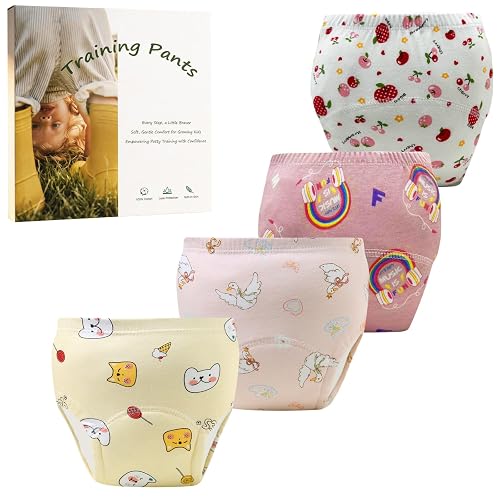
If your toddler’s carry potty training underwear keeps leaking, the most common causes are a loose fit, a leak-prone fabric layer, or a toddler who isn’t yet noticing the urge to go. Most problems can be fixed by adjusting fit, changing timing, or adding a backup layer while your child builds awareness.
Why Underwear Leaks During Potty Training
Training underwear is designed to let a toddler feel wetness right away, but it only works when the fabric and fit match the child’s body and habits. Leaks usually aren’t a sign that your child is failing. They tend to point to one of a few mechanical or developmental issues.
Shopping for one? See our guide: Undies for Potty Training: 7 Best Picks for Toddlers (2026).
The Factors Behind Leaks
Several things work together. Fit matters most. If the waistband rolls down or the leg openings gap, urine escapes before the fabric can absorb it. Fabric matters next. Thin cotton layers soak through quickly, especially after a large void. Timing also plays a role. Toddlers often need to pee several times in a short window, and a single pair of underwear can’t handle back-to-back accidents. Finally, awareness is a factor. Many toddlers don’t yet feel the signal to go until they’re already wetting, so leaks can happen even in well-fitting underwear.
What to Do About It
Start with a fit check. The waistband should sit snugly at the natural waist without digging in, and the leg openings should lie flat against the thigh. Next, consider a backup layer. Pulling a thin waterproof cover or a thin cloth insert over the training underwear can protect clothing during the learning stage. Then set a schedule. Offer the potty every 60 to 90 minutes, after meals, and before naps and bedtime. Keep a change of clothes nearby and avoid scolding, since stress can slow progress.
Practical steps to try this week:
- Check that the waistband doesn’t gap or roll when your toddler squats.
- Use a backup cover for the first few weeks, then remove it once accidents drop.
- Offer the potty on a regular schedule rather than waiting for your child to ask.
- Use simple words like “wet” or “pee” right after an accident so your child connects the feeling with the word.
- Change wet underwear promptly to keep your toddler comfortable and reduce confusion.
- Track accidents for three to five days to spot patterns, such as leaks after juice or before nap.
If your child is resisting the potty entirely or showing physical discomfort when peeing, talk with your pediatrician before continuing.
What We’d Use
Owners often report good results with Gerber Training Pants, which have an absorbent layer that helps during early accidents. Another option is the Hanna Andersson Organic Cotton Training Underwear, which many parents choose for a softer fit. View on Amazon View on Amazon
For more background on whether underwear is the right next step, see Potty Training with Underwear: Is It Right for Your Toddler? and When to Start with Potty Training: Signs Your Toddler Is Ready (2026).
FAQ
Should I use a backup cover with training underwear?
Many parents do in the early weeks. A thin cover protects furniture and car seats while your toddler learns to recognize the feeling of wetness. You can phase it out as accidents become less frequent.
How often should I change wet training underwear?
Change it as soon as it’s wet. Leaving wet fabric on can cause irritation and makes it harder for your toddler to connect the sensation with the potty.
When should I be concerned about leaks?
If leaks continue well past several months of consistent training, or if your child seems to be in pain or strains when peeing, check with your pediatrician to rule out a medical issue.
Related reading
- When to Begin Potty Training: Signs Your Toddler Is Ready (2026)
- What Is the Average Age for Potty Training Cloth Diapers Kids? Timing Guide
- Using Cloth Diapers for Potty Training: A Step-by-Step Guide for Toddlers
- Tips in Potty Training: 9 Practical Steps That Work for Toddlers
Ready to choose one?
About Miles Sinclair
Miles Sinclair is part of our editorial team and reviews and edits our toddler development & behavior guides, checking product details against manufacturer specifications and owner feedback.