 By Miles Sinclair
Updated November 2026
The most reliable signs to start potty training are physical and behavioral: your toddler stays dry for two hours or longer, tells you when they are wet or having a bowel movement, and can follow simple directions. Most children show several of these between about 18 and 30 months, though timing varies widely. Readiness matters more than age.
Why readiness signs matter more than a birthday
Toilet learning depends on bladder and bowel control, memory, and the ability to understand what the body is doing. A child who is pushed before those skills are in place often ends up frustrated, and so do parents. Looking for clear signs keeps the process calmer and usually shorter.
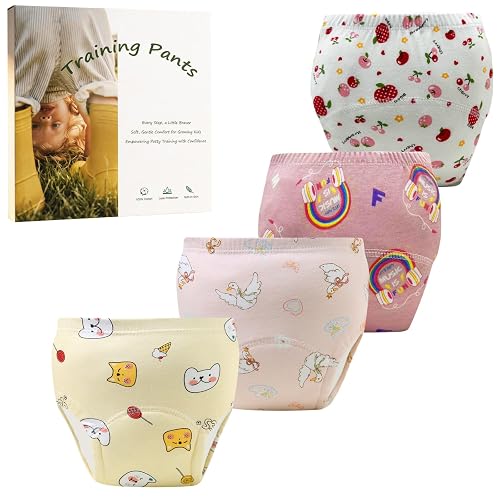
Shopping for one? See our guide: Undies for Potty Training: 7 Best Picks for Toddlers (2026).
Pediatric guidance generally treats a child as ready when several signs appear together, not just one. A single sign, like showing interest in the toilet, is encouraging but not enough on its own.
The signs to watch for
Look for these patterns over a week or two:
- Dry stretches: Diapers stay dry for two hours or more, or wake up dry from naps.
- Regular bowel movements: Poops tend to happen at roughly the same time each day, which makes timing easier to predict.
- Body signals: Your child grunts, squats, hides, or stops playing when they are going.
- Communication: They tell you they are wet or dirty, even if after the fact.
- Following directions: They can pull pants up and down with some help and follow two-step instructions.
- Curiosity: They want to copy you or an older sibling in the bathroom or ask about the toilet.
- Discomfort with wet or soiled diapers: They ask for a change or pull at the diaper.
If most of these show up, you can start. If only one or two appear, wait a few weeks and watch again. You can also review When to Begin Potty Training: Signs Your Toddler Is Ready (2026) for a fuller checklist.
Factors that can delay the start
Big changes often push potty training back: a new sibling, a move, daycare starting, or illness. Some children also simply need more time with their bodies before they can connect the sensation with the toilet. Starting during a stressful period usually leads to more accidents and power struggles, so it is often better to wait for a calmer stretch.
Constipation can also make toilet use painful and cause a child to hold in stool. If your child has hard or infrequent bowel movements, or pain when pooping, talk with your pediatrician before starting. This is a health question that a professional should evaluate.
What to do once you see the signs
Once your child shows most of the signs, you can begin with a simple plan:
- Pick a 1–2 week window when your home is relatively stable.
- Buy a potty chair or use a child-size seat on the toilet, and let your child sit on it fully dressed first.
- Offer sits every 30 to 60 minutes while awake, and after meals and naps.
- Use simple words for what is happening, and praise effort rather than only results.
- Stay neutral after accidents. Say something brief like “pee goes in the potty,” then help with cleanup.
- Keep a short list of other helpful reads, such as Potty Training Tips and Advice: A Step-by-Step Guide for Toddlers.
What we’d use
A child-size potty seat with a stable base helps toddlers feel secure when they first sit on the toilet. View on Amazon
A training potty chair with a removable bowl makes emptying and cleanup simpler for busy parents. View on Amazon
FAQ
How old should a child be to start potty training?
Many children start between 18 and 30 months, but readiness signs matter more than age. Wait if your child shows only one or two signs.
What if my toddler shows signs but resists sitting on the potty?
Let them sit fully clothed, read a book, or practice with a doll first. Pressure usually makes resistance stronger, so take a short break and try again in a few weeks.
Should I start if we are about to move or have a new baby?
It is usually better to wait until things settle. Starting during big transitions often leads to more accidents and frustration for everyone.
Related reading
Ready to choose one?
About Miles Sinclair
Miles Sinclair is part of our editorial team and reviews and edits our toddler development & behavior guides, checking product details against manufacturer specifications and owner feedback.