 By Miles Sinclair
Updated November 2026
Rubber underwear potty training is a method some parents use to give toddlers a clear signal when they are wet, but it is not a shortcut and it does not work for every child. Rubber or plastic-lined training pants can make accidents easier to notice, yet they can also cause discomfort, skin irritation and frustration if they are used too early or too long. The short answer: they can support learning for some toddlers who already show readiness, and they are usually a poor fit for toddlers who are not yet ready.
Why parents reach for rubber underwear
Ordinary cloth or disposable diapers absorb moisture quickly, so a toddler may not feel the wetness right away. Rubber or waterproof training pants do the opposite. The child feels the dampness, which can connect the sensation of wetting with the act of going. That feedback is the whole idea behind the approach.
Shopping for one? See our guide: Undies for Potty Training: 7 Best Picks for Toddlers (2026).
Some parents also like the step-down it offers. A toddler who is moving away from diapers may find a waterproof layer a comfortable middle stage, because it looks and feels closer to underwear while still protecting furniture and car seats. For more on the bigger picture, see Potty Training with Underwear: Is It Right for Your Toddler?
Factors that decide whether it helps
Readiness matters more than the product. Most toddlers show signs such as staying dry for two hours or more, waking up dry from naps, telling you they are wet or pooping, and being able to pull pants up and down. When to Start with Potty Training: Signs Your Toddler Is Ready (2026) covers these signs in detail.
Fit and material are the next concern. Rubber can trap heat and moisture against the skin. Look for signs of redness, rash or a toddler who keeps pulling at the waistband or refuses to wear the pants. Any persistent skin problem should be checked by a pediatrician.
Consistency also counts. If the toddler goes back and forth between rubber pants, diapers and underwear, the signal becomes muddled. Many parents find it works better to choose one stage and stick with it for a few weeks.
What to do if you try it
- Confirm readiness first. Wait until your toddler shows at least several of the common signs.
- Pick a size that fits snugly at the waist and legs without digging in. Check the fit every few days.
- Offer a potty or seat at regular intervals, about every 60 to 90 minutes while awake, and after meals and naps.
- Respond calmly to accidents. Say something simple like “pee goes in the potty” and help with cleanup without shaming.
- Change wet pants promptly and let the skin air-dry between changes to prevent rash.
- Watch for signs the approach isn’t working, such as rising stress, bedwetting-level frustration, or constipation. If you see these, pause and try again in a few weeks. For practical tips, see Tips in Potty Training: 9 Practical Steps That Work for Toddlers
What we’d use
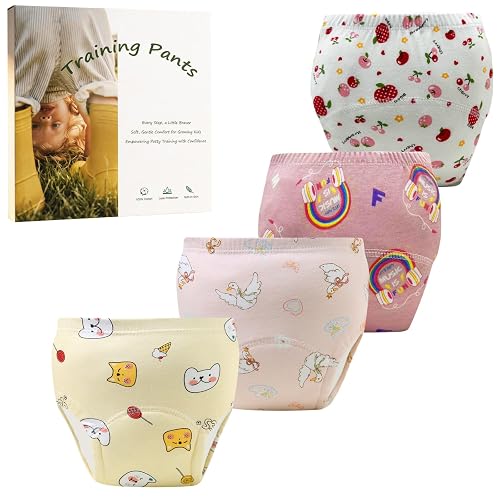
If you decide to try a waterproof training pant, look for a breathable, soft-lined option in a size that matches your toddler’s waist and leg measurements. Parents often report that cotton-lined versions are easier on the skin than fully plastic pants.
- A breathable waterproof training pant with a cotton-blend lining: View on Amazon
- A pull-up style training pant with an absorbent layer and waterproof backing: View on Amazon
FAQ
Is rubber underwear potty training safe for toddlers?
It is generally considered safe when the pants fit well and are changed promptly. Check the skin often and stop if you see rash or irritation. A pediatrician can help if problems persist.
How long should a toddler wear rubber training pants?
Many families use them for a few weeks as a bridge to underwear. There is no fixed timeline, so move on when the toddler is having mostly dry days and fewer accidents.
Can rubber underwear cause constipation or bladder problems?
Rubber pants do not cause these conditions on their own. However, a toddler who holds in stool or urine because of discomfort may develop constipation. If you notice straining, hard stools or frequent urinary symptoms, consult your pediatrician.
Ready to choose one?
About Miles Sinclair
Miles Sinclair is part of our editorial team and reviews and edits our toddler development & behavior guides, checking product details against manufacturer specifications and owner feedback.