 By Miles Sinclair
Updated November 2026
A potty training picture schedule is a simple chart of pictures showing the steps of a bathroom routine, such as sitting on the potty, flushing, and washing hands. Toddlers understand pictures before they understand long verbal instructions, so a visual chart can make each step predictable. Most parents use one for two to four weeks while the habit forms.
Why a Picture Schedule Helps Toddlers
Toddlers between about 18 months and 3 years think in concrete, repeated actions. A verbal reminder like “Go wash your hands after you go” is abstract and easy to forget. A chart with a photo of hands under running water gives the same message in a form the child can point to, touch, and check off. Many toddlers also enjoy the sense of control that comes from moving a magnet or sticker from one step to the next.
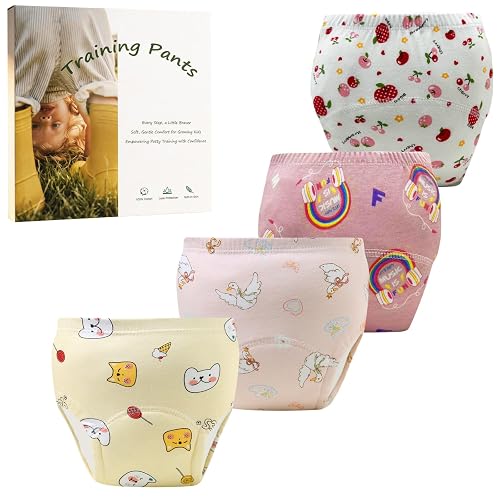
Shopping for one? See our guide: Undies for Potty Training: 7 Best Picks for Toddlers (2026).
A schedule also reduces power struggles. When the routine is posted on the wall, you can say “Look, what’s next on the chart?” instead of repeating commands. That shift keeps the focus on the sequence rather than on your child’s resistance.
How to Build a Picture Schedule That Fits Your Child
Keep the chart short. Four to six steps is usually enough. Use real photos of your own child, your bathroom, and your potty when possible, since familiar images hold attention better than generic clip art. Make each picture large enough to see from across the room, and place the chart at your child’s eye level near the bathroom.
Include a reward step only if you plan to use one consistently. Many families add a sticker spot or a final “happy dance” picture. Avoid adding steps your child can’t yet do independently, such as wiping, unless you plan to help them through it.
Typical steps to include
- Pull pants and underwear down
- Sit on the potty
- Try to go (count to 10 or sing a short song)
- Wipe and stand up
- Flush
- Wash hands
- Check the sticker chart
Using the Schedule Day to Day
Offer a bathroom trip at predictable times: after waking, after meals, before naps, and before bed. Point to each picture as your child completes it, and celebrate the effort rather than only the result. If your child has an accident, stay calm, say “Potty is where pee goes next time,” and move straight to the cleanup steps on the chart so the routine still feels familiar.
Expect the schedule to need adjustments. If your child skips a step, go back to the previous one for a few days. If interest fades, change the reward or add a new picture of a favorite toy or character. You can read more about overall routines in Tips in Potty Training: 9 Practical Steps That Work for Toddlers and about rewards in Rewards for Potty Training: A Step-by-Step Guide for Toddlers.
What We’d Use
A laminated, wipe-clean chart lets you update the pictures as your child progresses: View on Amazon
For a simple, reusable option you can print at home and cover with clear contact paper, a standard dry-erase pocket chart works well: View on Amazon
FAQ
How long should I use a potty training picture schedule?
Most families keep the chart up for two to four weeks, then fade it out as the routine becomes automatic. Some children need it longer, especially during daytime training after nighttime dryness is established.
Should I make the chart with my toddler?
Yes, when possible. Letting your child choose a sticker or pick which photo to use for the potty can increase buy-in. Keep the decisions simple so the activity doesn’t become another source of frustration.
What if my toddler refuses to use the chart?
Try shrinking it to two or three pictures, or move it to a spot your child passes often. If refusal continues for several weeks or your child shows pain, constipation, or extreme distress around toileting, talk with your pediatrician.
Related reading
- When to Start with Potty Training: Signs Your Toddler Is Ready (2026)
- When to Begin Potty Training: Signs Your Toddler Is Ready (2026)
- What Is the Average Age for Potty Training Cloth Diapers Kids? Timing Guide
- Using Cloth Diapers for Potty Training: A Step-by-Step Guide for Toddlers
Ready to choose one?
About Miles Sinclair
Miles Sinclair is part of our editorial team and reviews and edits our toddler development & behavior guides, checking product details against manufacturer specifications and owner feedback.