 By Audrey Hayes
Updated November 2026
Paw Patrol toddler sleep and play is a real tool you can use to make bedtime smoother. When a favorite show or character becomes part of a calm routine, many toddlers settle faster and feel more secure. This guide walks you through how to use Paw Patrol themes for play during the day and for wind-down cues at night, without turning screens or excitement into a bedtime obstacle.
Why Paw Patrol Works as a Sleep Cue
Toddlers between about 18 months and 4 years old respond well to predictable cues. A familiar character, song, or bedding design can signal that the day is shifting from active play to quiet time. The key is consistency: use the same Paw Patrol item at the same point in the routine each night, not as a reward that changes from day to day.
Shopping for one? See our guide: 5 Best Toddler Won't Stay Sleep Sims 4 Picks for Parents Who Play (2026).
Steps to Build a Paw Patrol Sleep Routine
- Set a fixed wind-down time. Start the routine 30 to 45 minutes before bedtime, at the same time each evening.
- Move to lower-energy play. Swap rescue races for puzzles, stacking, or a short book about Chase or Skye that ends with the characters “going to sleep.”
- Use one bedtime cue. A Paw Patrol pajama set, a character nightlight, or a short song works well. Pick one and keep it the same.
- End screens 60 minutes before bed. Bright screens and fast cartoons make it harder for children to settle, so watch episodes earlier in the day.
- Keep the room dark and quiet. Use blackout curtains or a dim nightlight, and a white noise machine if outside sounds wake your child.
Making Daytime Paw Patrol Play Support Sleep
Active play builds appetite for sleep, but only if it ends in time. Plan your most physical Paw Patrol games, such as “rescue” obstacle courses or pretend fire trucks, for the late morning and afternoon. Finish with a calmer activity, like sorting toy vehicles by color, at least an hour before bed.
Roleplay can also help toddlers process bedtime. Let your child be the pup who “puts the pups to bed” with a stuffed animal. This gives them a sense of control, which often reduces resistance at lights-out.
Handling Protest at Bedtime
If your toddler asks for “one more rescue,” answer warmly and set a limit: “Chase is going to bed now. We can rescue again tomorrow.” Keep your tone steady and avoid long negotiations. Most toddlers test limits for several nights before the routine feels normal.
Tools That Support the Routine
- A Paw Patrol-themed sleep sack or pajama set that your child wears only at bedtime
- A dim character nightlight with a warm, low glow
- A simple visual schedule with pictures showing bath, book, and bed
- A white noise machine for consistent background sound
Common Mistakes
- Using the show as a reward for good behavior, which makes bedtime feel like a loss.
- Starting an exciting game right before lights-out.
- Changing the bedtime cue every few nights.
- Letting screens run late because the episode is almost over.
- Expecting results within one or two nights. Most routines need a week or more to settle.
Recommended gear
- Hatch Rest Sound Machine: A consistent white noise option that many parents use to mask hallway and household sounds. View on Amazon
- Hatch Rest Sleep Trainer Light: A clock-style nightlight that some families use to show toddlers when it is time to stay in bed. View on Amazon
FAQ
Can I use Paw Patrol characters at bedtime without making my toddler more excited?
Yes, if you choose calm items such as soft bedding or a dim nightlight and pair them with quiet books. Avoid active character play right before bed.
How long does it take for a Paw Patrol sleep routine to work?
Many toddlers begin to settle within one to two weeks of using the same steps each night. Some need longer, especially after travel or a change in schedule.
What if my toddler will not stay in bed after the routine?
Walk your child back calmly, with few words, and repeat the same short phrase each time. If sleep problems continue for more than a few weeks, talk with your pediatrician to rule out other causes.
Conclusion
Paw Patrol toddler sleep and play can become a steady part of your evening when you keep cues consistent and end active play early. Start with a fixed wind-down time, one bedtime cue, and screens that finish well before bed. Give the routine at least a week, and adjust gently as your child adapts.
Related reading
- Toddler Won't Sleep in Pack N Play on Vacation: 7 Steps That Help
- 7 Best Sleep and Play Toddler Bed Sets for Happy Nights (2026)
- 6 Best Toddler Sleep and Play Beds for Safe, Happy Nights (2026)
- 5 Best Toddler Sleep and Play Pajamas for Cozy Nights (2026)
- 5 Best Toddler Sleep N Play Outfits for Cozy Nights (2026)
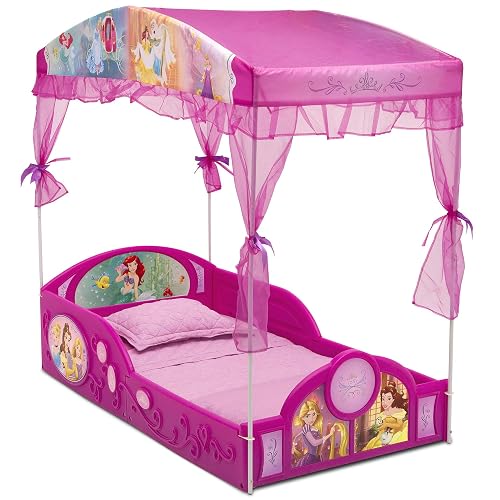
- 5 Best Disney Princess Plastic Sleep and Play Toddler Beds (2026)
Ready to choose one?
About Audrey Hayes
Audrey Hayes is part of our editorial team and reviews and edits our toddler development & behavior guides, checking product details against manufacturer specifications and owner feedback.