 By Audrey Hayes
Updated November 2026
Toddler sleep and play affect each other more than most parents expect. A toddler who gets enough active, unstructured play during the day usually settles more easily at night, while a toddler who is overtired or under-stimulated often fights bedtime. This guide walks through how to balance daytime play, wind-down time, and a sleep space that supports rest.
Why Play Timing Affects Sleep
Most toddlers aged 1 to 3 need roughly 11 to 14 hours of total sleep in a 24-hour period, including naps, according to the American Academy of Sleep Medicine. Physical play burns energy and helps the body build the pressure to sleep. But play that is too wild, too close to bedtime, or too screen-heavy can keep a toddler revved up. The goal is energetic play earlier in the day and calmer activities as bedtime gets closer.
Shopping for one? See our guide: 5 Best Toddler Won't Stay Sleep Sims 4 Picks for Parents Who Play (2026).
Build a Daily Play and Sleep Schedule
Consistency matters more than perfection. Use the same general order each day so your toddler learns what comes next.
- Morning: Outdoor or active play for 30 to 60 minutes, if weather allows.
- Midday: A nap window, usually 1 to 3 hours after waking depending on age. Keep quiet play before nap time.
- Afternoon: Another active block, such as climbing, ball games, or dancing, ending at least 90 minutes before bed.
- Late afternoon: Switch to quiet play like puzzles, stacking, or books.
- Bedtime routine: A bath or wash, pajamas, two or three short books, and lights low, about 20 to 30 minutes total.
If bedtime keeps falling apart, check whether your toddler is overtired. Signs include rubbing eyes, becoming clingy, or suddenly getting hyper. For more on overtired toddlers, see Why Won't My Toddler Sleep Through the Night? 7 Causes and Fixes.
Set Up a Calm Sleep Space for Play and Rest
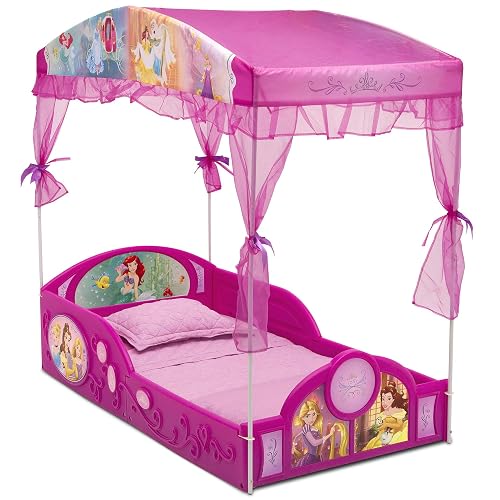
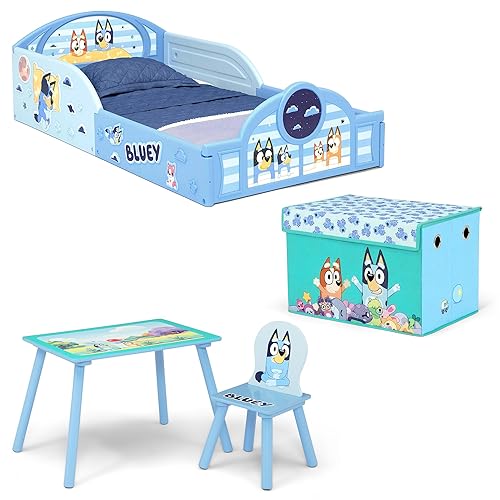
Keep the sleep area separate from heavy play so your toddler links the bed with rest. Clear toys out of the crib or bed before sleep. Use a dim night light, keep the room around 68 to 72°F, and reduce noise where you can.
Toddlers who love play sometimes resist sleeping in a new place. If you travel, plan the sleep area ahead of time. Toddler Won't Sleep in Pack N Play on Vacation: 7 Steps That Help covers how to handle an unfamiliar sleep space.
Make Sleep Spaces Safe
Follow current safe-sleep guidance from the American Academy of Pediatrics: no loose bedding, pillows, or stuffed animals in the crib, and a firm mattress that fits the frame snugly. Ask your pediatrician if you have questions about bed transitions or safety.
Recommended gear
A simple set of tools can make the play-to-sleep transition smoother.
- Blackout curtains help block early morning light, which can shorten naps. View on Amazon
- A wearable sleep sack keeps a toddler warm without loose blankets. View on Amazon
- A visual timer shows how much active play is left before wind-down. View on Amazon
Common Mistakes
- Allowing rough or high-energy play within an hour of bedtime.
- Using screens during wind-down, since bright light can delay sleep.
- Changing the routine every night, which makes settling harder.
- Skipping naps to force an early bedtime, which often backfires into an overtired toddler.
- Letting the bed become a play area, so the toddler does not connect it with rest.
FAQ
How much play does a toddler need before bed?
Most toddlers benefit from 60 to 90 minutes of active play spread through the day, with the last active block ending at least 90 minutes before bedtime.
Should I stop play entirely before bedtime?
No. Shift to calmer activities like puzzles, books, or drawing in the last hour, so your toddler can wind down gradually.
When should I talk to a doctor about sleep?
Contact your pediatrician if your toddler snores loudly, pauses breathing, wakes frequently with distress, or sleep problems last several weeks despite a consistent routine.
Conclusion
Toddler sleep and play work best as a daily rhythm: active play in the morning and afternoon, quiet activities near bedtime, and a calm, safe sleep space. Keep the routine steady, watch for overtiredness, and adjust gradually. Most toddlers settle into the pattern within a couple of weeks.
Related reading
- 7 Best Sleep and Play Toddler Bed Sets for Happy Nights (2026)
- 6 Best Toddler Sleep and Play Beds for Safe, Happy Nights (2026)
Ready to choose one?
About Audrey Hayes
Audrey Hayes is part of our editorial team and reviews and edits our toddler development & behavior guides, checking product details against manufacturer specifications and owner feedback.