 By Caleb Morgan
Updated November 2026
Parents searching for when should a toddler stop using a sleep sack usually want two things: a clear sense of the age and signs that signal it is time, and a few well-made options for the in-between phase. This guide covers both. The selection criteria here are research-based: manufacturer specifications, brand reputation, the age ranges each product is designed for, and recurring patterns in owner feedback. We have not tested these products ourselves, so treat the picks as starting points and check the current listing details before you buy.
Our top picks at a glance
- 1
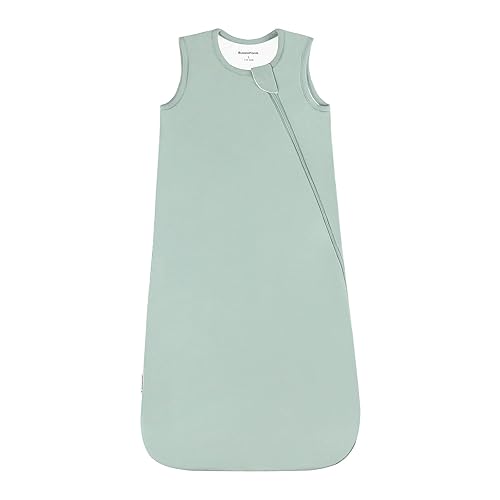 TOP CHOICEBest overallBubblePanda Rayon Made from Bamboo Sleep Sack 2t-3t 1.0 TogView on Amazon
- 2
 TOP CHOICEBest for warmer roomsBubblePanda Rayon Made from Bamboo Sleep Sack with Feet 3t-4t 1.0 TogView on Amazon
- 3
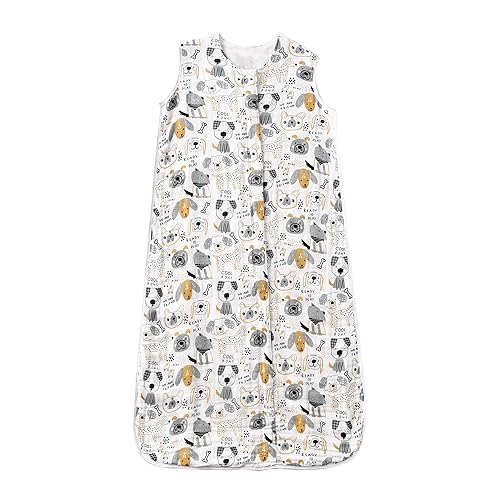 TOP CHOICEBest for organic cotton fansToddler Sleep Sack 2-4T, 0.5 TOG PupView on Amazon
- 4
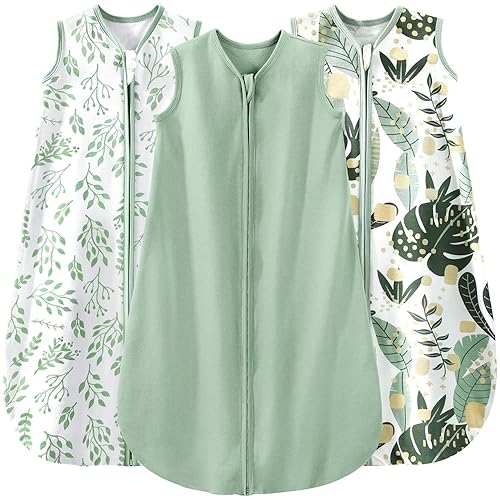 Best multipackWearable Blankets Toddler Sleeping Sack 3 Pack (Yoofoss)View on Amazon
- 5Best for hot nightsToddler 3t Sleep Sacks, Sage 0.5 Tog (BubblePanda)View on Amazon
- 6
 Best budget pickBaby Sleep Sack 2-4 T Baby Wearable Blanket 100% Organic Cotton 0.5 TOGView on Amazon
- 7
 Best for the transitionHALO Easy Transition Sleepsack Wearable Blanket, TOG 1.5, Heather Pink, SmallView on Amazon
When Should a Toddler Stop Using a Sleep Sack?
Most toddlers move out of a standard wearable sleep sack somewhere between 18 months and 3 years, but the timing depends more on the child than on the calendar. The clearest rule comes from safety guidance: a sleep sack should be retired once a toddler can climb out of the crib, or once they can pull to standing and walk in the sack. The reason is simple. A child who can step over or climb over the rail, with fabric wrapped around the legs, faces a real fall risk.
Several signs suggest it is time to think about a transition:
- Your toddler has climbed or attempted to climb out of the crib, even once.
- They are pulling up to stand and then trying to step over the rail.
- They are walking confidently and the sack restricts stepping movements.
- They have outgrown the sack’s size range (check the manufacturer’s chest and height guidance, not just the age label).
- They are fighting the sack, waking to unzip it, or overheating despite a lighter tog rating.
Many families use a sleep sack with the legs or feet section for longer, then move to a sleeping sack with more room at the legs, and finally to a blanket or no covering at all, depending on the room temperature and the child’s comfort. Pediatric sleep guidance generally recommends keeping the crib clear of loose bedding and considering a wearable blanket instead of a blanket, so the transition is usually a shift in style rather than a return to loose covers.
If your toddler is climbing, do not wait for the full transition plan. Remove the sack, keep the crib mattress low, and move to a sleep solution that does not restrict the legs. For more on handling climbing, see Toddler Sleep Sack Prevent Climbing Out Crib: 7 Steps That Work.
Our Top Picks
Quick Comparison
| Product | Best for | Key feature |
|---|---|---|
| BubblePanda Rayon Made from Bamboo Sleep Sack 2t-3t 1.0 Tog | Overall fit for the 2T–3T range | Bamboo rayon fabric, 2-way zipper |
| BubblePanda Rayon Made from Bamboo Sleep Sack with Feet 3t-4t 1.0 Tog | Warmer rooms and taller toddlers | Feet section and extra-long body |
| Toddler Sleep Sack 2-4T, 0.5 TOG Pup | Organic cotton preference | 100% organic cotton muslin, sleeveless |
| Yoofoss Wearable Blankets Toddler Sleeping Sack 3 Pack | Families wanting spares | Three-pack, 0.5 TOG organic cotton |
| BubblePanda Toddler 3t Sleep Sacks, Sage 0.5 Tog | Hot nights | Lightweight 0.5 TOG rayon blend |
| Baby Sleep Sack 2-4 T Organic Cotton 0.5 TOG | Budget-minded buyers | Four-layer muslin, YKK zipper |
| HALO Easy Transition Sleepsack, TOG 1.5 | Transitioning out of swaddles | Designed for the transition phase |
BubblePanda Rayon Made from Bamboo Sleep Sack 2t-3t 1.0 Tog
Toddler Sleep Sacks, Soft Sleeping Sack for Babies, 2-Way Zipper, Baby Wearable Blanket BubblePanda Rayon Made from Bamboo Sleep Sack 2t-3t 1.0 Tog 24-36 Months
Best for: Overall fit for the 2T–3T range
A good all-round option for toddlers in the 24–36 month range who still need a wearable blanket and do well with a medium-weight layer.
Key specs
- Size range: 2T–3T (24–36 months)
- Tog rating: 1.0
- Material: rayon made from bamboo
- Two-way zipper
Pros
- Soft, drapey fabric many owners describe as breathable
- Two-way zipper makes diaper changes easier
- Medium tog suits most indoor temperatures
Cons
- Rayon can pill over time with frequent washing
- Sizing runs by age, so check height before ordering
Bottom line: A solid choice for parents who want a single sack for the 2T–3T stretch at a medium warmth level.
BubblePanda Rayon Made from Bamboo Sleep Sack with Feet 3t-4t 1.0 Tog
Toddler Sleep Sacks with Legs, Soft Walker Sleeping Sack, Baby Wearable Blanket, 2-Way Zipper, Extra Long BubblePanda Rayon Made from Bamboo Sleep Sack with Feet 3t-4t 1.0 Tog
Best for: Warmer rooms and taller toddlers
Suited to older toddlers who still want a sack with a feet section and room to move their legs.
Key specs
- Size range: 3T–4T
- Tog rating: 1.0
- Material: rayon made from bamboo
- Feet section with extra-long body
Pros
- Feet section keeps toes warm without loose blankets
- Extra length accommodates taller toddlers
- Two-way zipper
Cons
- Feet can feel warm in heated rooms
- Bulkier than sleeveless options
Bottom line: Best for parents of taller 3- to 4-year-olds who want a feet-included sack during the transition.
Toddler Sleep Sack 2-4T, 0.5 TOG Pup
Toddler Sleep Sack 2-4T, 0.5 TOG Lightweight Wearable Blanket, 100% Organic Cotton Muslin, Sleeveless, 2-Way YKK Zipper, OEKO-TEX Certified, Pup
Best for: Organic cotton preference
For families who prefer natural fibers and a lighter layer that suits year-round use in most homes.
Key specs
- Size range: 2T–4T
- Tog rating: 0.5
- Material: 100% organic cotton muslin
- Sleeveless design, 2-way YKK zipper, OEKO-TEX certified (per listing)
Pros
- Lightweight and breathable for warmer rooms
- Sleeveless design reduces overheating risk
- Wide 2T–4T size range
Cons
- Muslin is thin, so cold rooms may need an extra layer
- Muslin can wrinkle and needs careful drying
Bottom line: A good pick for parents who want natural fabric and a light layer across a wide size range.
Wearable Blankets Toddler Sleeping Sack 3 Pack (Yoofoss)
Wearable Blankets Toddler Sleeping Sack 3 Pack, Comfy Soft Lightweight Yoofoss Baby Sleep Sack 24-36 Month 0.5TOG 100%Organic Cotton 2-Way Zipper
Best for: Families wanting spares
Useful for households that do laundry often or want a backup on hand during the transition.
Key specs
- Size range: 24–36 months
- Tog rating: 0.5
- Material: 100% organic cotton
- Three-pack, 2-way zipper
Pros
- Three sacks let you rotate during washing
- Lightweight for warmer seasons
- Organic cotton construction
Cons
- Sizing can run differently between packs; check measurements
- Lighter weight may not suit cold rooms
Bottom line: A practical choice if you want spares and a light tog, especially for a single toddler’s transition period.
Toddler 3t Sleep Sacks, Sage 0.5 Tog (BubblePanda)
Toddler 3t Sleep Sacks, Lightweight Soft Sleeping Sack for Babies, 2-Way Zipper, Baby Wearable Blanket, Sage, XX-Large BubblePanda Rayon Made from Bamboo Sleep Sack 2t-3t 0.5 Tog 24-36 Months
Best for: Hot nights
Designed for parents in warm climates or homes without consistent air conditioning.
Key specs
- Size range: 2T–3T (24–36 months)
- Tog rating: 0.5
- Material: rayon made from bamboo
- Two-way zipper
Pros
- Lightest tog in this lineup for warm rooms
- Breathable, drapey fabric
- Two-way zipper
Cons
- Too light for cool bedrooms in winter
- Thin fabric may show wear sooner
Bottom line: Best for hot-weather households where overheating is the main concern.
Baby Sleep Sack 2-4 T Baby Wearable Blanket 100% Organic Cotton 0.5 TOG
Baby Sleep Sack 2-4 T Baby Wearable Blanket 100% Organic Cotton 0.5 TOG Toddler Sleep Sacks 2‑Way YKK Zipper Soft 4 Layers Muslin 2T 3T 4T Car Truck
Best for: Budget-minded buyers
A straightforward organic cotton option for families who want a dependable sack without a premium price point.
Key specs
- Size range: 2T–4T
- Tog rating: 0.5
- Material: 100% organic cotton
- Four-layer muslin, 2-way YKK zipper
Pros
- Affordable within the organic cotton category
- Four muslin layers add structure
- Wide size range
Cons
- Lightweight, so may be cool in winter
- Owners report variation in sizing
Bottom line: A sensible choice for parents seeking organic cotton without spending heavily.
HALO Easy Transition Sleepsack Wearable Blanket, TOG 1.5, Heather Pink, Small
HALO Easy Transition Sleepsack Wearable Blanket, TOG 1.5, Heather Pink, Small
Best for: Transitioning out of swaddles
Built for the phase when a toddler or baby is moving out of swaddling and needs arms free but still wants a wearable layer.
Key specs
- Tog rating: 1.5
- Size: Small (per listing)
- Designed for the easy transition from swaddle
Pros
- Warmer tog suits cooler rooms
- Recognized brand in the wearable blanket category
- Designed with the transition period in mind
Cons
- Sizing is by named size, so check the chart carefully
- Warmer tog may be too heavy for summer
Bottom line: Best for parents managing a swaddle-to-sack transition in a cooler home.
Buying Guide
Age and Size Range
Check the chest measurement and height guidance rather than relying on age alone. A sack that fits by age may still be too short or too tight. Measure your toddler and compare to the manufacturer’s chart before buying.
Good picks for this: BubblePanda Rayon Made from Bamboo Sleep Sack with Feet 3t-4t 1.0 Tog, Baby Sleep Sack 2-4 T Organic Cotton 0.5 TOG
Tog Rating
A lower tog suits warmer rooms, while a higher tog suits cool bedrooms. Many parents match the tog to room temperature and their child’s sleepwear underneath. Recheck when seasons change.
Good picks for this: Toddler 3t Sleep Sacks, Sage 0.5 Tog, HALO Easy Transition Sleepsack TOG 1.5
Legs and Feet Design
A sack with a feet section keeps toes warm and can feel more secure than a sleeveless design during transition. A sleeveless or open-leg design gives more room to move, which many toddlers prefer as they become more active.
Good picks for this: BubblePanda Rayon Made from Bamboo Sleep Sack with Feet 3t-4t 1.0 Tog, Toddler Sleep Sack 2-4T Pup
Fabric and Breathability
Organic cotton muslin is breathable and light. Bamboo rayon drapes softly and is often described as cool to the touch. Check care instructions, since rayon may pill with frequent washing.
Good picks for this: Yoofoss Wearable Blankets 3 Pack, BubblePanda Rayon Made from Bamboo Sleep Sack 2t-3t 1.0 Tog
Zipper Type and Ease of Use
A two-way zipper lets you open the bottom for diaper changes without disturbing your toddler. It also helps with climbing transitions, since the zipper stays closed and the child is less likely to unzip the sack at night.
Good picks for this: Toddler Sleep Sack 2-4T Pup, Baby Sleep Sack 2-4 T Organic Cotton 0.5 TOG
Durability and Washing
Look for care instructions that match your laundry routine. Owners often report that muslin softens with washing, while rayon blends may need gentler cycles. A multipack helps if you wash frequently.
Good picks for this: Yoofoss Wearable Blankets 3 Pack, HALO Easy Transition Sleepsack
Transition Stage Needs
If your toddler is moving out of swaddling or still adjusting to a new layer, a transition-focused design can make the process smoother. Consider whether you want to keep the same style or move to a sleeveless option.
Good picks for this: HALO Easy Transition Sleepsack, BubblePanda Toddler 3t Sleep Sacks Sage
FAQ
At what age should a toddler stop using a sleep sack?
There is no single age. Most toddlers move out of a wearable sleep sack between about 18 months and 3 years, but the decisive factor is safety: stop using a sack once your child can climb out of the crib or can walk and step over the rail.
Can a toddler climb out of a crib with a sleep sack on?
Yes. A sleep sack can restrict leg movement, but it does not prevent climbing. If your toddler is attempting to climb, stop using the sack and follow crib safety guidance from the manufacturer and a pediatric professional.
How do I know if the sleep sack is too small?
Check the manufacturer’s size chart for height and chest measurement. If the sack feels snug at the shoulders, the zipper strains, or your toddler’s feet press against the end, it is likely time for a larger size or a new style.
Should I use a sleep sack with feet or without?
A feet section keeps toes warm and can feel more secure during transition, while a sleeveless design without feet gives more room to move. Choose based on room temperature and your child’s comfort.
What should replace a sleep sack once my toddler outgrows it?
Many families move to a lightweight blanket or no covering, depending on room temperature. Pediatric guidance generally recommends keeping the crib free of loose bedding, so a wearable blanket or sleep-appropriate layer is often the safest next step.
How do I transition my toddler out of a sleep sack?
Gradual changes work best. Try a lighter tog first, then remove the sack for short naps before nighttime, and keep the same bedtime routine so the change feels predictable. Talk to your child’s pediatrician if sleep becomes disrupted.
Conclusion
Most toddlers should stop using a sleep sack once they can climb out of the crib or step over the rail, which often happens between 18 months and 3 years. For a warm room, the BubblePanda 0.5 Tog sack or the organic cotton Pup sack suit most needs. For taller toddlers, the feet-included BubblePanda 3t-4t sack fits well. Families wanting spares will find the Yoofoss three-pack useful, and the HALO Easy Transition Sleepsack suits a cooler home during a swaddle-to-sack change. Check measurements, match the tog to your room, and consult your pediatrician if you have safety questions about your child’s sleep setup.
Sources
- Consumer product safety guidance on infant sleep products and crib safety (cpsc.gov)
- American Academy of Pediatrics guidance on safe sleep and transitioning toddlers (healthychildren.org)
- NIH National Institute of Child Health and Human Development resources on infant and toddler sleep (nichd.nih.gov)
Related reading
- Woolino Toddler Sleep Sack: How to Choose and Use One Safely (7 Steps)
- Woolino 4 Season Toddler Sleep Sack: How to Choose and Use It Safely (2026)
- Toddler Sleep Sack Summer: 7 Steps for Cool, Safe Nights
About Caleb Morgan
Caleb Morgan is part of our editorial team and reviews and edits our toddler development & behavior guides, checking product details against manufacturer specifications and owner feedback.